

Dark mode

Home › Blog › ">→History of Malbec

Wine history

Argentine Malbec: its history since 1853

How a forgotten French grape was saved in Mendoza and became the signature of Argentine wine
Updated May 2026 · Vito Wine Tours · May 2026 · 7 min read

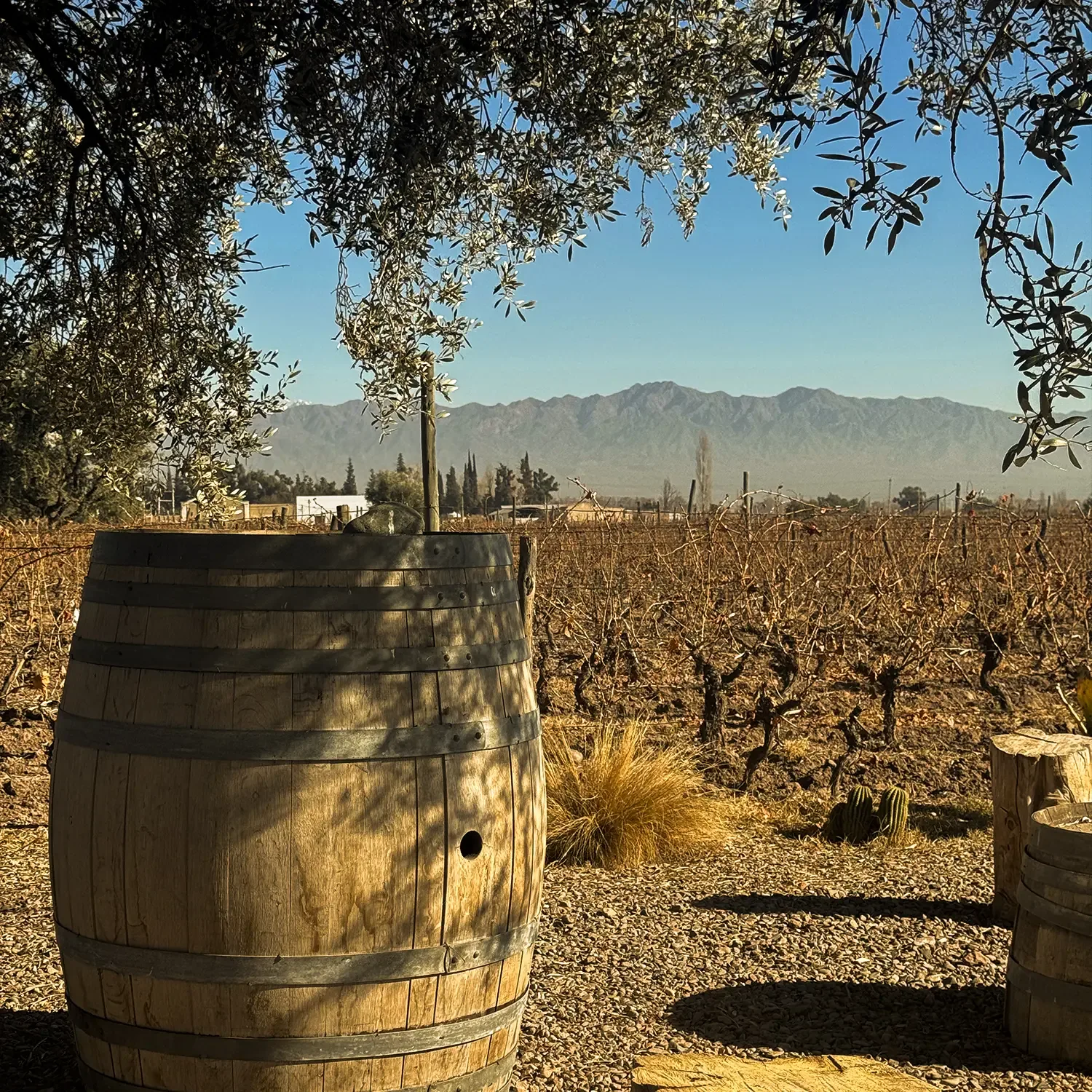
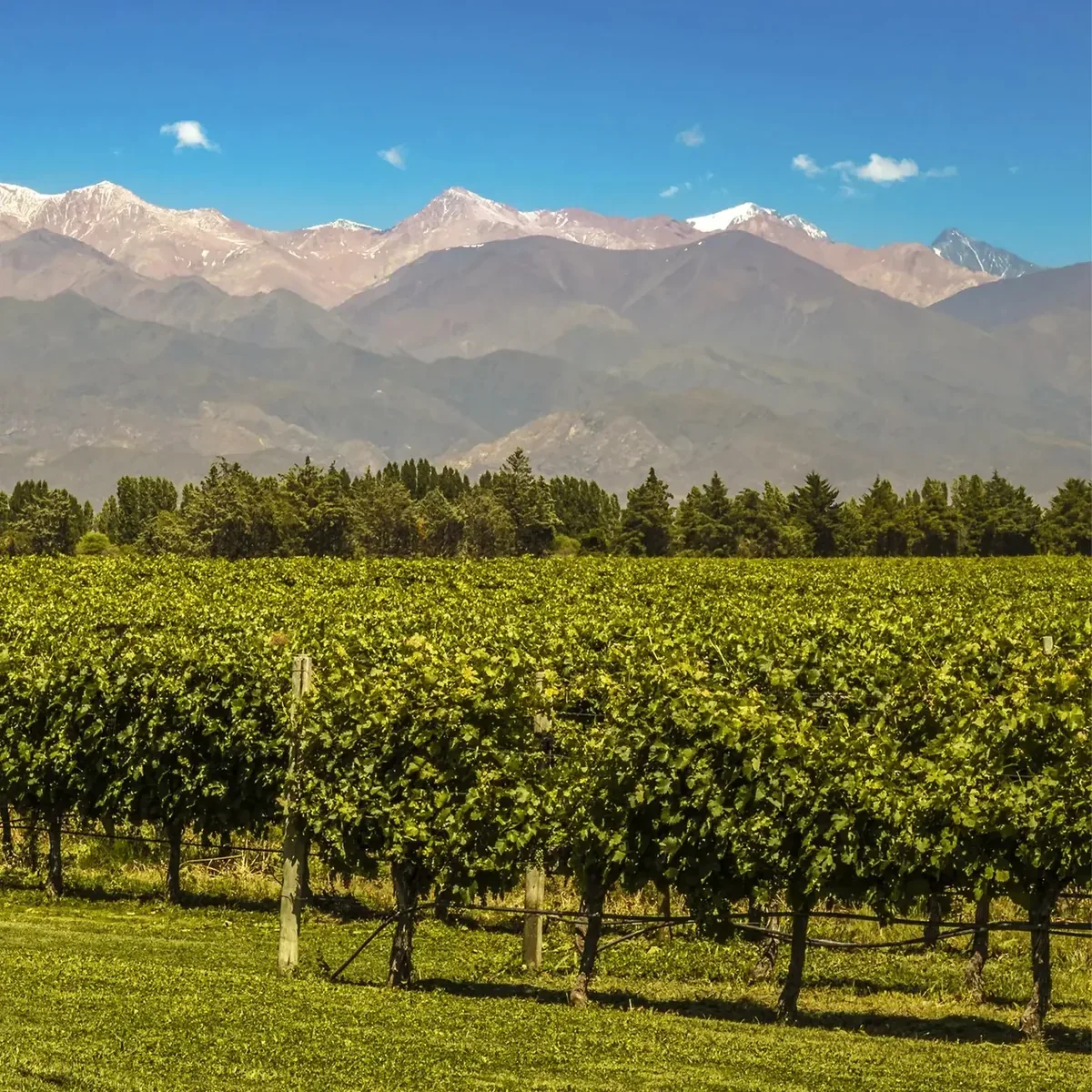
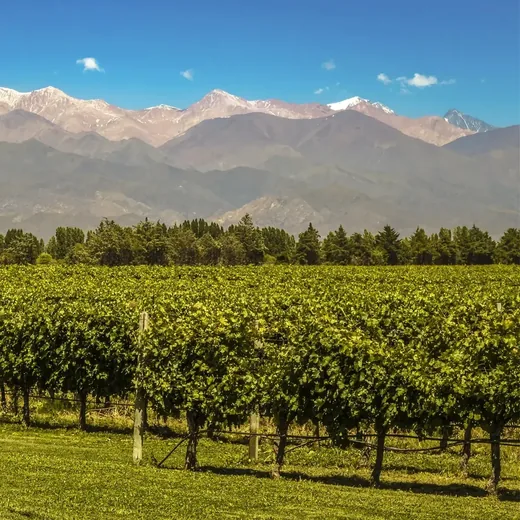
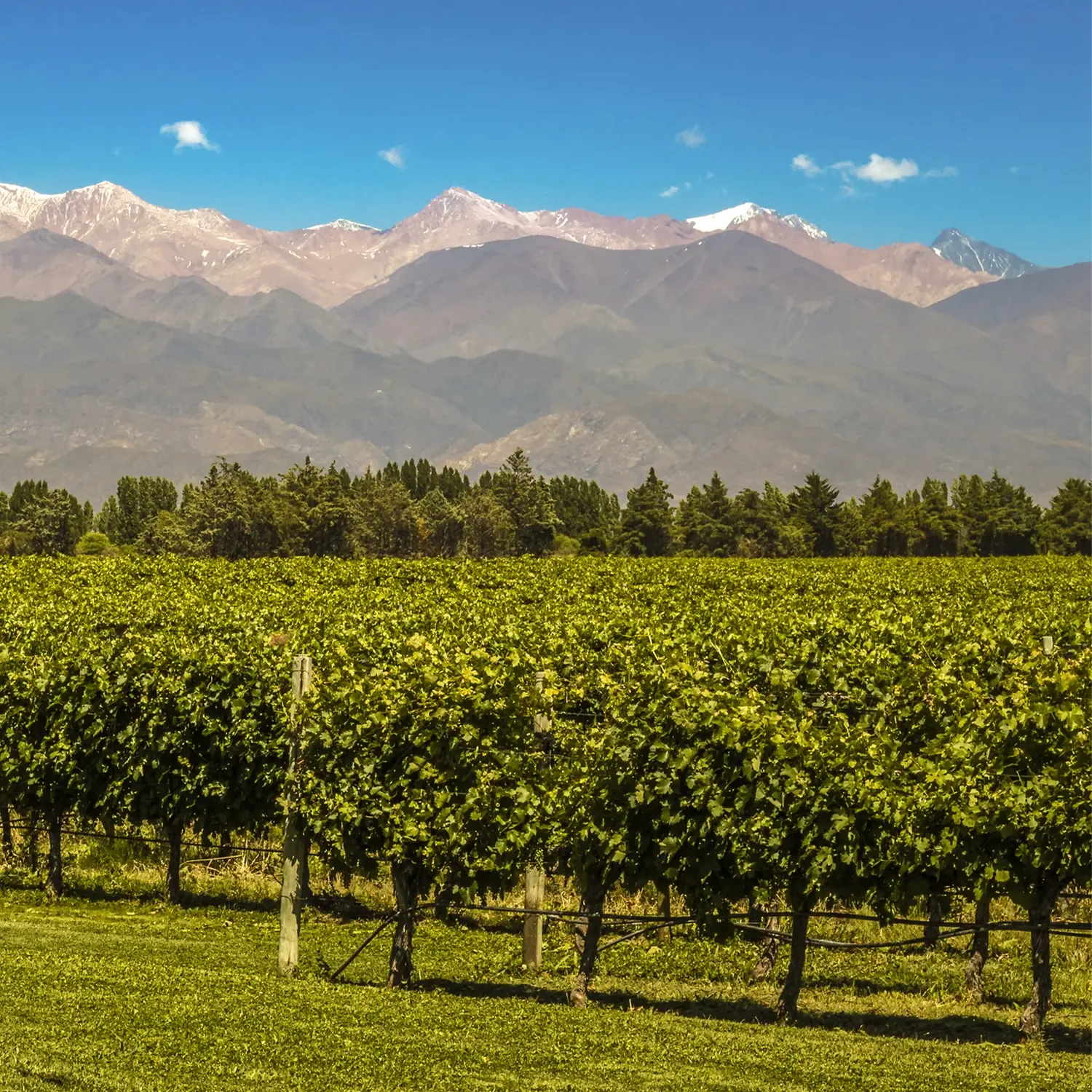
Malbec in Argentina: history and old vineyards in Mendoza

"Malbec isn't native to Argentina. It's native to Cahors, in south-west France, where it nearly died out." That truth — obvious to wine historians but surprising to visitors who arrive in Mendoza expecting an indigenous grape — is the right starting point for understanding Argentine Malbec. This is a grape saved by immigration, which survived a pandemic that killed its European counterpart and became something new in Mendoza soil.

Planning your visit? Discover our private wine tours in Mendoza — or explore our luxury wine experiences in Mendoza.

This guide tells the full story: from the French agronomist who brought the first cuttings in 1853 to the international Malbec revolution of the late 1990s, and why the history matters for understanding what's in the glass today.

1853: The arrival

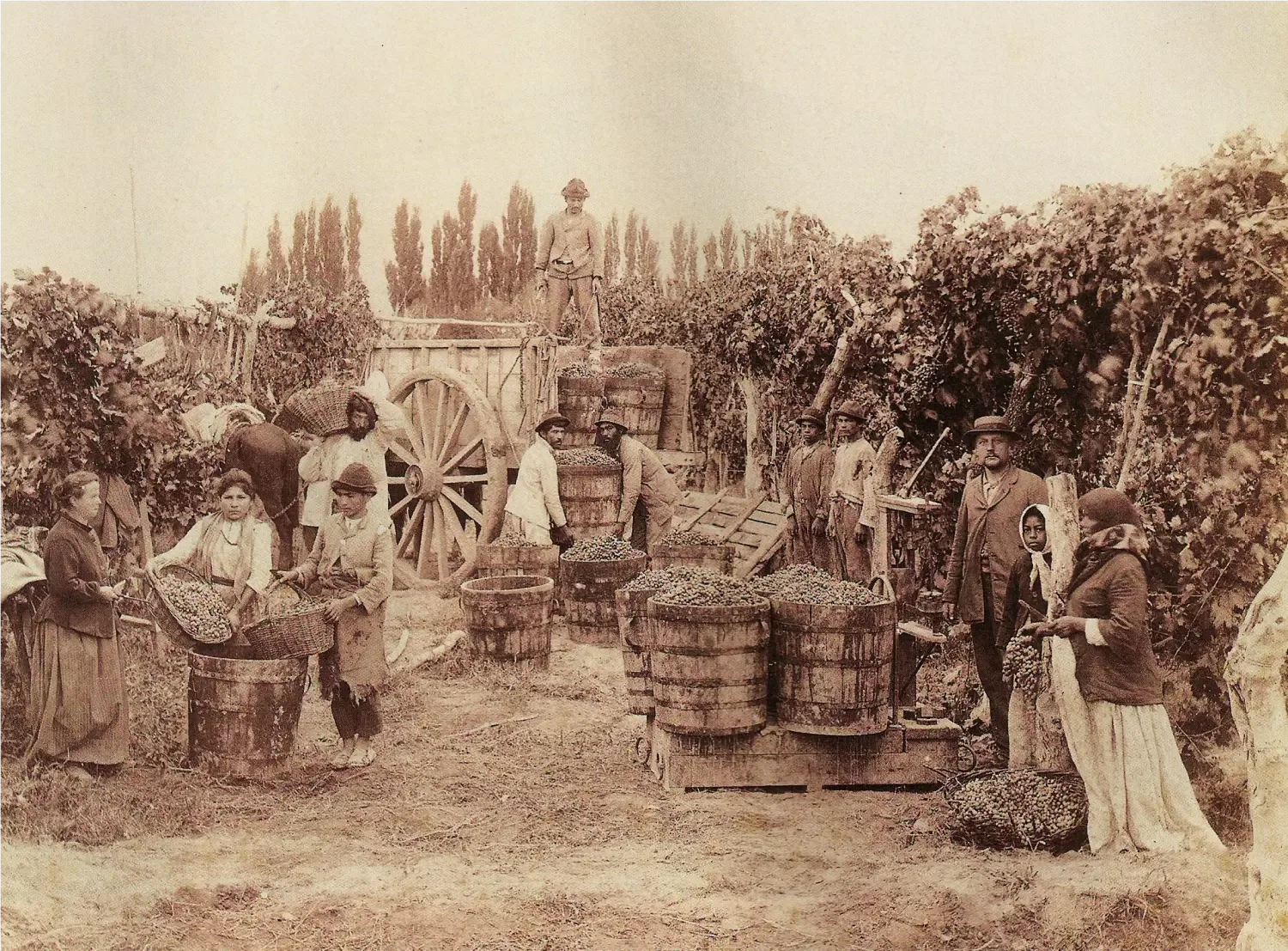
In 1853, the governor of Mendoza, Pedro Pascual Segura, commissioned a French agronomist named Michel Aimé Pouget to found the country's first school of agriculture. The Quinta Normal de Agricultura, established that year, brought plant material from France including several grape varieties. Among them was Malbec, then known as "Cot" or "Côt Noir" in its native Cahors.

Pouget wasn't doing anything philosophically unusual. Mid-19th-century South American governments were actively trying to modernise agriculture by importing European techniques and plants. Malbec was simply one of many varieties introduced. What nobody could foresee in 1853 was that within decades that decision would save the variety from extinction.

The phylloxera years: 1860s–1900

From the 1860s onwards, phylloxera — a microscopic aphid that attacks the roots of European vines — tore through European viticulture. By the end of the 19th century it had destroyed vast swathes of French vineyards, including almost all of those in south-west France where Malbec originated. Cahors, Malbec's historic home, was devastated.

The replanting that followed used phylloxera-resistant American rootstocks, but the Cahors that emerged never fully recovered its position. The negligible post-phylloxera harvests and the severe frost of 1956 permanently reduced viticulture in Cahors. Malbec's identity as a "French" variety weakened.

Meanwhile, in Mendoza, the vines Pouget had planted were thriving in phylloxera-free soils. The region had a geographical blessing: the combination of sandy soils (where phylloxera doesn't reproduce well), geographic isolation from Europe and a desert climate had protected it. Mendoza's Malbec clones were, in effect, a "genetic reserve" of the pre-phylloxera variety.

The volume years: 1900–1980

For most of the 20th century Argentina produced Malbec on a massive scale but not for export. The domestic market was enormous — the country had one of the highest per-capita wine consumptions in the world — but the focus was quantity over quality. Plantings expanded. The wines were everyday reds, usually blends, rarely bottled as varietal Malbec.

Through this period Malbec remained well adapted geographically: Mendoza's altitude, temperature swings and soils produced grapes with natural concentration. But few were trying to extract a singular expression from it. Malbec was a reliable component, not an artistic focus.

The turning point: the 1990s

The change began in the 1990s with several converging factors:

  • International winemaking investment: French consulting winemakers such as Michel Rolland began working with Argentine producers, bringing modern technique to grapes with latent potential
  • The Catena generation: Nicolás Catena and other producers began treating Malbec as a fine wine worthy of high-altitude planting and serious winemaking
  • Market opening: economic stabilisation and trade liberalisation allowed serious export for the first time
  • Discovery by the United States: American critics and buyers — particularly Robert Parker and Wine Spectator — began scoring Argentine Malbecs highly, creating sudden international demand

By the early 2000s Argentine Malbec had become an established category. Planted hectares grew exponentially. The price per hectare of vineyard in Luján de Cuyo multiplied. The wineries professionalised fast.

Diversification: the 2010s onwards

Over the past decade the Malbec story has evolved from "flagship grape" to "grape with specific vineyard expressions". The conversation is moving from Malbec as a category to Malbec from Gualtallary, Malbec from Paraje Altamira, Malbec from Vista Flores. Altitude, soil and microclimate become the central focus.

For more on the sub-regions, see our guide to high-altitude Uco Valley wines.

What this means for a visit

For visitors who want to connect with this history, several visits are particularly meaningful:

Century-old vineyards (Luján de Cuyo and Maipú)

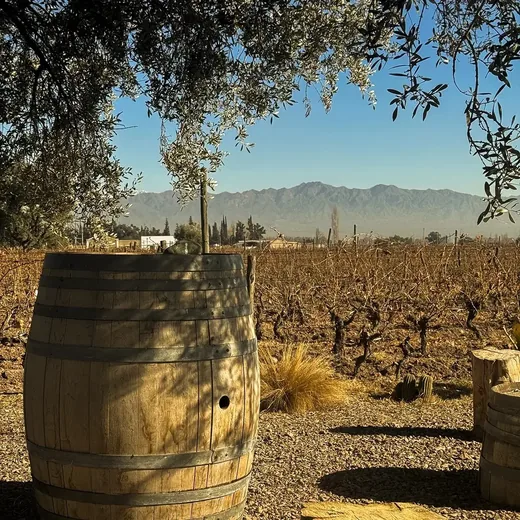
Some wineries keep parcels of pre-phylloxera vines more than a hundred years old. Norton winery, Trapiche winery, and several smaller producers hold these historic parcels. Tasting a Malbec from these century-old vines alongside one from a modern planting is one of the most educational moments of a trip. See our Luján de Cuyo tour.

Historic wineries

Wineries such as Trapiche, Norton, Lopez and others dating back to the late 19th century are still active. Visiting them gives the history a physical context.

Casa Vigil and the post-Catena generation

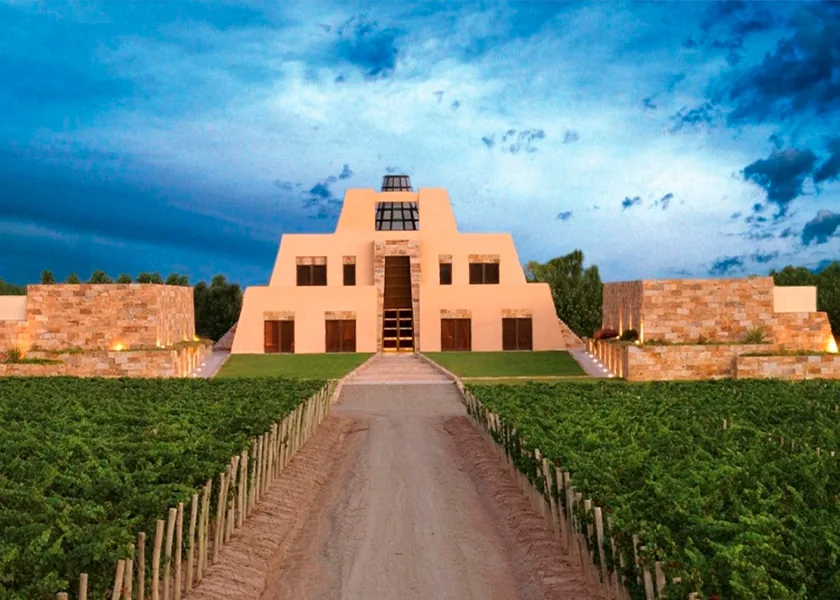
To understand where Argentine Malbec is heading now, it's worth visiting producers of the newest generation such as Casa Vigil, where the conversation is explicitly about taking Malbec in a new direction.

FAQ

Is there a genetic difference between Argentine and French Malbec?

Yes. After 170 years of adaptation, the Argentine clones are distinctive. The berries are smaller, the leaves somewhat smaller, and the behaviour in the vineyard differs. That divergence is one of the arguments for considering Mendoza Malbec a distinct expression of the grape.

Why does Malbec work so well in Mendoza specifically?

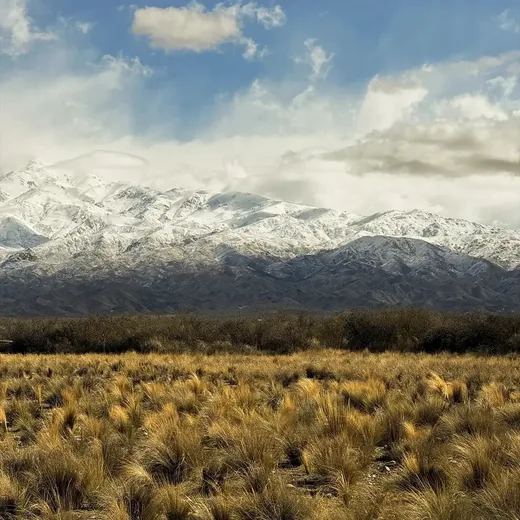
The combination of altitude (which provides temperature swings and UV exposure), poor soils (which limit vigour and concentrate flavour) and a desert climate (which allows full ripeness without fungal pressure) creates conditions that are almost unique for this variety.

Will Malbec remain king in the future?

As the main commercial category, yes. But the premium conversation has diversified — Cabernet Franc, high-altitude Chardonnay and orange wines are all growing in importance.

If you want a Mendoza trip that shows the full history of Malbec — from century-old vines to contemporary single-vineyard bottlings — get in touch on WhatsApp.

Related tourLuján de Cuyo tourVisit the historic wineries that wrote the history of Malbec›

More questions? Take a look at our FAQ with 25 common questions about tours, pricing, logistics and the High Mountain excursion.

V

Written by

Vito Wine Tours

Private wine experiences in Mendoza. We design and run tailor-made days at boutique wineries in Lujan de Cuyo, Maipu and the Uco Valley.

Want to live it?

Taste the history of Malbec with us

Personal guidance · Confirmed bookings · Private experiences

Ask on WhatsApp
Malbec in Argentina: history and old vineyards in Mendoza

Wine history

Argentine Malbec: its history since 1853

How a forgotten French grape was saved in Mendoza and became the signature of Argentine wine

"Malbec isn't native to Argentina. It's native to Cahors, in south-west France, where it nearly died out." That truth — obvious to wine historians but surprising to visitors who arrive in Mendoza expecting an indigenous grape — is the right starting point for understanding Argentine Malbec. This is a grape saved by immigration, which survived a pandemic that killed its European counterpart and became something new in Mendoza soil.

Planning your visit? Discover our private wine tours in Mendoza — or explore our luxury wine experiences in Mendoza.

This guide tells the full story: from the French agronomist who brought the first cuttings in 1853 to the international Malbec revolution of the late 1990s, and why the history matters for understanding what's in the glass today.

1853: The arrival

In 1853, the governor of Mendoza, Pedro Pascual Segura, commissioned a French agronomist named Michel Aimé Pouget to found the country's first school of agriculture. The Quinta Normal de Agricultura, established that year, brought plant material from France including several grape varieties. Among them was Malbec, then known as "Cot" or "Côt Noir" in its native Cahors.

Pouget wasn't doing anything philosophically unusual. Mid-19th-century South American governments were actively trying to modernise agriculture by importing European techniques and plants. Malbec was simply one of many varieties introduced. What nobody could foresee in 1853 was that within decades that decision would save the variety from extinction.

The phylloxera years: 1860s–1900

From the 1860s onwards, phylloxera — a microscopic aphid that attacks the roots of European vines — tore through European viticulture. By the end of the 19th century it had destroyed vast swathes of French vineyards, including almost all of those in south-west France where Malbec originated. Cahors, Malbec's historic home, was devastated.

The replanting that followed used phylloxera-resistant American rootstocks, but the Cahors that emerged never fully recovered its position. The negligible post-phylloxera harvests and the severe frost of 1956 permanently reduced viticulture in Cahors. Malbec's identity as a "French" variety weakened.

Meanwhile, in Mendoza, the vines Pouget had planted were thriving in phylloxera-free soils. The region had a geographical blessing: the combination of sandy soils (where phylloxera doesn't reproduce well), geographic isolation from Europe and a desert climate had protected it. Mendoza's Malbec clones were, in effect, a "genetic reserve" of the pre-phylloxera variety.

The volume years: 1900–1980

For most of the 20th century Argentina produced Malbec on a massive scale but not for export. The domestic market was enormous — the country had one of the highest per-capita wine consumptions in the world — but the focus was quantity over quality. Plantings expanded. The wines were everyday reds, usually blends, rarely bottled as varietal Malbec.

Through this period Malbec remained well adapted geographically: Mendoza's altitude, temperature swings and soils produced grapes with natural concentration. But few were trying to extract a singular expression from it. Malbec was a reliable component, not an artistic focus.

The turning point: the 1990s

The change began in the 1990s with several converging factors:

  • International winemaking investment: French consulting winemakers such as Michel Rolland began working with Argentine producers, bringing modern technique to grapes with latent potential
  • The Catena generation: Nicolás Catena and other producers began treating Malbec as a fine wine worthy of high-altitude planting and serious winemaking
  • Market opening: economic stabilisation and trade liberalisation allowed serious export for the first time
  • Discovery by the United States: American critics and buyers — particularly Robert Parker and Wine Spectator — began scoring Argentine Malbecs highly, creating sudden international demand

By the early 2000s Argentine Malbec had become an established category. Planted hectares grew exponentially. The price per hectare of vineyard in Luján de Cuyo multiplied. The wineries professionalised fast.

Diversification: the 2010s onwards

Over the past decade the Malbec story has evolved from "flagship grape" to "grape with specific vineyard expressions". The conversation is moving from Malbec as a category to Malbec from Gualtallary, Malbec from Paraje Altamira, Malbec from Vista Flores. Altitude, soil and microclimate become the central focus.

For more on the sub-regions, see our guide to high-altitude Uco Valley wines.

What this means for a visit

For visitors who want to connect with this history, several visits are particularly meaningful:

Century-old vineyards (Luján de Cuyo and Maipú)

Some wineries keep parcels of pre-phylloxera vines more than a hundred years old. Norton winery, Trapiche winery, and several smaller producers hold these historic parcels. Tasting a Malbec from these century-old vines alongside one from a modern planting is one of the most educational moments of a trip. See our Luján de Cuyo tour.

Historic wineries

Wineries such as Trapiche, Norton, Lopez and others dating back to the late 19th century are still active. Visiting them gives the history a physical context.

Casa Vigil and the post-Catena generation

To understand where Argentine Malbec is heading now, it's worth visiting producers of the newest generation such as Casa Vigil, where the conversation is explicitly about taking Malbec in a new direction.

FAQ

Is there a genetic difference between Argentine and French Malbec?

Yes. After 170 years of adaptation, the Argentine clones are distinctive. The berries are smaller, the leaves somewhat smaller, and the behaviour in the vineyard differs. That divergence is one of the arguments for considering Mendoza Malbec a distinct expression of the grape.

Why does Malbec work so well in Mendoza specifically?

The combination of altitude (which provides temperature swings and UV exposure), poor soils (which limit vigour and concentrate flavour) and a desert climate (which allows full ripeness without fungal pressure) creates conditions that are almost unique for this variety.

Will Malbec remain king in the future?

As the main commercial category, yes. But the premium conversation has diversified — Cabernet Franc, high-altitude Chardonnay and orange wines are all growing in importance.

If you want a Mendoza trip that shows the full history of Malbec — from century-old vines to contemporary single-vineyard bottlings — get in touch on WhatsApp.

More questions? Take a look at our FAQ with 25 common questions about tours, pricing, logistics and the High Mountain excursion.

Taste the history of Malbec with us

Personal guidance · Confirmed bookings · Private experiences
Vito Wine Tours

Private winery tours in Mendoza.

+54 9 261 699-7101vitowinetours@gmail.com