




Dark mode

Home › Blog › ">→ Wine

Wine

Argentine grape varieties: from Malbec to Torrontés

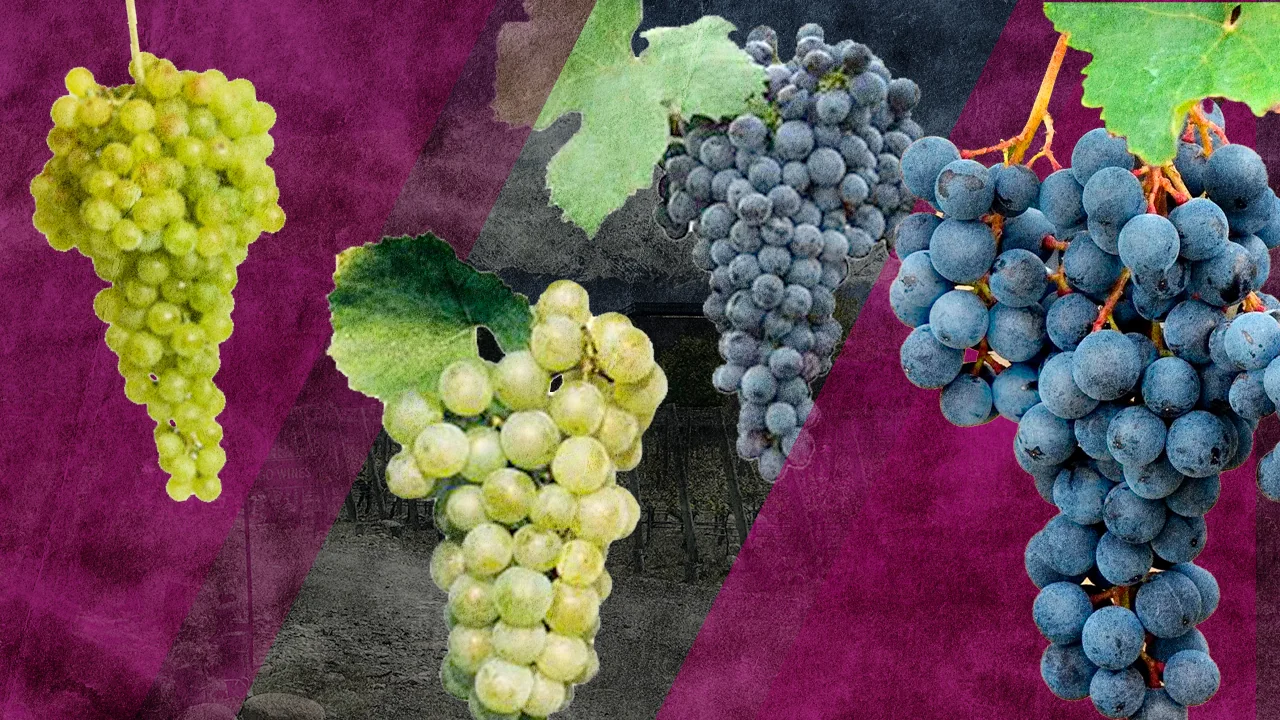
Malbec, Cabernet Sauvignon, Chardonnay and Torrontés
Updated May 2026 · Vito Wine Tours · October 2024 · 5 min read

Blending Experience Mendoza, create your own wine

When people talk about Argentine wine, everyone thinks of Malbec. But Mendoza has a far richer range of grapes than international marketing suggests.

If you're planning your trip, discover our private winery tours in Mendoza — or explore our fine wine experiences.

In this guide we'll walk through Mendoza's most important grape varieties: the classics everyone knows, the modern surprises and the rare grapes worth discovering.

Red grapes: Mendoza's leading players

Malbec: the undisputed king

Malbec is to Mendoza what Malbec is to Argentina: pure identity. Native to Cahors (France), it found in Mendoza's stony soils and altitude conditions it never had in Europe. The result is a wine with a character of its own: deep colour, soft tannins, notes of black fruit (plum, blackberry), violets and spice.

75% of the world's Malbec is grown in Argentina, and most of it is in Mendoza. Profiles vary widely by area: the classic Malbec of Maipú (fruity, approachable), the fine Malbec of Luján de Cuyo (structured, complex) and the high-altitude Malbec of the Uco Valley (mineral, elegant). To understand these differences, we recommend our guide to the wine regions.

Cabernet Sauvignon

The classic international grape. It thrives in Mendoza, especially in the soils of Maipú and Luján de Cuyo. Full-bodied wines with firm tannins and notes of ripe black fruit, bell pepper and spice. Many fine Argentine labels are blends in which Cabernet plays an important role.

Cabernet Franc

The fashionable grape of recent years. In the Uco Valley it found an exceptional terroir. Elegant wines with herbal notes (paprika, thyme), red fruit and marked minerality. If you've never tried a high-altitude Argentine Cabernet Franc, we especially recommend it.

Bonarda

The "forgotten" grape making a comeback. Originally from Italy, Bonarda was for decades the second most planted variety in Argentina (after Criolla). Today wineries such as Familia Zuccardi are making premium Bonardas that prove its potential. Juicy, fresh wines with red-fruit notes and soft tannins.

Tempranillo

Native to Spain (Rioja, Ribera del Duero), it also adapts well to Mendoza. Medium-bodied wines with notes of leather, tobacco and ripe fruit. Widely used in blends.

Petit Verdot

A classic French grape from Bordeaux. In Mendoza it's used mainly in blends, adding colour, tannin and violet notes. Some wineries, such as Achaval Ferrer and Catena Zapata, make exceptional single-varietal bottlings.

Tasting tip: If you want to understand the differences between Malbec, Cabernet Sauvignon and Cabernet Franc, ask at a tasting for a "comparative tasting" of all three grapes from the same vineyard.

White grapes: Mendoza's surprise

Chardonnay

The most planted white grape in Mendoza. In the Uco Valley at 1,500 metres it produces wines with freshness, minerality and white-fruit notes. Catena Zapata, Salentein and Trapiche have internationally recognised premium Chardonnays.

Sauvignon Blanc

The Uco Valley's revelation. Wines with citrus, herbal and saline notes (at altitude) and vibrant acidity. Wineries such as Bodegas Bianchi and Andeluna have won awards with this grape.

Torrontés

Argentina's emblematic white grape. Originally from the Cafayate region (Salta), it's also grown in Mendoza. Aromatic wines (jasmine, orange, green apple), fresh, with moderate acidity. Susana Balbo is the national reference.

Viognier and Semillon

Less-planted varieties with a lot of potential. Some boutique wineries are making exceptional labels from these grapes. Full-bodied whites with notes of tropical fruit and honey.

Wines from lesser-known grapes

  • Pinot Noir: difficult to grow, but some areas of the Uco Valley manage it. Elegant wines with notes of cherry and fine spice.
  • Syrah: San Rafael (southern Mendoza) makes warm, spicy Syrahs.
  • Sangiovese: an Italian grape, part of the immigrant heritage, still grown at family wineries in Maipú.
  • Criolla: Mendoza's original grape, used for decades for table wine. Some biodynamic wineries are making "fine Criollas" that are fascinating.

Blends: creative freedom

Blends combine several grapes, with the winemaker seeking a unique profile no single variety can achieve. Argentina is a world reference for iconic blends:

  • Catena Zapata Estiba Reservada: a blend of Cabernet Sauvignon and Malbec.
  • Viña Cobos Bramare: Malbec with touches of Cabernet.
  • Achaval Ferrer Quimera: a Bordeaux blend with a Mendoza identity.
  • Susana Balbo Brioso: a Cabernet Sauvignon-based blend.

If fine wines interest you, we recommend reading Mendoza's fine wines.

Where to taste each grape

If you want to put together a grape-by-grape comparative tasting, the best options are:

  • Fine Malbec: Luján de Cuyo (Catena, Viña Cobos, Achaval Ferrer)
  • Cabernet Franc: Uco Valley (Bodega La Azul, Andeluna, Salentein)
  • Bonarda and Tempranillo: Maipú (López, Familia Zuccardi)
  • High-altitude white wines: Uco Valley (Salentein, Bianchi, Andeluna)

The experience of making your own blend

If you really want to understand how a wine is built from different grapes, the best experience is the Blending Experience: alongside a winemaker you learn to blend Malbec, Cabernet, Merlot and Petit Verdot, and take home your own personalised bottle.

FAQ

Which grape should I try first if I'm a beginner?

Start with a young Malbec from Maipú. It's approachable, fruity and captures the essence of Mendoza. Then try a fine Malbec from Luján to understand the difference in quality.

Are there native Argentine grapes?

Strictly speaking, no. Criolla and Cereza are grapes brought by the Spanish that adapted locally. The true "national star" is Malbec, which, although it came from France, reached its fullest expression in Argentina.

Why is Mendoza Malbec so different from French Malbec?

Because of the combination of altitude, temperature swing, stony soils and a dry climate. In Cahors (France), Malbec gives more austere, tannic wines. In Mendoza the fruit is riper, the colour more intense and the tannins rounder.

What's the best year for Mendoza wines?

2010, 2013, 2017 and 2020 are considered great vintages. But Mendoza quality is fairly consistent year after year, thanks to the dry, predictable climate.

If you'd like to arrange a grape-focused tasting and visit the wineries that work them best, message us on WhatsApp. We build themed itineraries for wine lovers who want to go beyond classic Malbec.

Related experienceBlending ExperienceCreate your own Malbec with a winemaker›

More questions? Take a look at our FAQ with 25 common questions about tours, pricing, logistics and the High Mountain excursion.

V

Written by

Vito Wine Tours

Founder and head concierge at Vito Wine Tours. More than 15 years curating private experiences at boutique wineries in Luján de Cuyo, Maipú and the Uco Valley.

Want to live it?

Discover the wines of Mendoza

Private tastings · Expert winemakers · Top wineries

Ask on WhatsApp
Blending Experience Mendoza, create your own wine

Wine

Argentine grape varieties: from Malbec to Torrontés

Malbec, Cabernet Sauvignon, Chardonnay and Torrontés

When people talk about Argentine wine, everyone thinks of Malbec. But Mendoza has a far richer range of grapes than international marketing suggests.

If you're planning your trip, discover our private winery tours in Mendoza — or explore our fine wine experiences.

In this guide we'll walk through Mendoza's most important grape varieties: the classics everyone knows, the modern surprises and the rare grapes worth discovering.

Red grapes: Mendoza's leading players

Malbec: the undisputed king

Malbec is to Mendoza what Malbec is to Argentina: pure identity. Native to Cahors (France), it found in Mendoza's stony soils and altitude conditions it never had in Europe. The result is a wine with a character of its own: deep colour, soft tannins, notes of black fruit (plum, blackberry), violets and spice.

75% of the world's Malbec is grown in Argentina, and most of it is in Mendoza. Profiles vary widely by area: the classic Malbec of Maipú (fruity, approachable), the fine Malbec of Luján de Cuyo (structured, complex) and the high-altitude Malbec of the Uco Valley (mineral, elegant). To understand these differences, we recommend our guide to the wine regions.

Cabernet Sauvignon

The classic international grape. It thrives in Mendoza, especially in the soils of Maipú and Luján de Cuyo. Full-bodied wines with firm tannins and notes of ripe black fruit, bell pepper and spice. Many fine Argentine labels are blends in which Cabernet plays an important role.

Cabernet Franc

The fashionable grape of recent years. In the Uco Valley it found an exceptional terroir. Elegant wines with herbal notes (paprika, thyme), red fruit and marked minerality. If you've never tried a high-altitude Argentine Cabernet Franc, we especially recommend it.

Bonarda

The "forgotten" grape making a comeback. Originally from Italy, Bonarda was for decades the second most planted variety in Argentina (after Criolla). Today wineries such as Familia Zuccardi are making premium Bonardas that prove its potential. Juicy, fresh wines with red-fruit notes and soft tannins.

Tempranillo

Native to Spain (Rioja, Ribera del Duero), it also adapts well to Mendoza. Medium-bodied wines with notes of leather, tobacco and ripe fruit. Widely used in blends.

Petit Verdot

A classic French grape from Bordeaux. In Mendoza it's used mainly in blends, adding colour, tannin and violet notes. Some wineries, such as Achaval Ferrer and Catena Zapata, make exceptional single-varietal bottlings.

Tasting tip: If you want to understand the differences between Malbec, Cabernet Sauvignon and Cabernet Franc, ask at a tasting for a "comparative tasting" of all three grapes from the same vineyard.

White grapes: Mendoza's surprise

Chardonnay

The most planted white grape in Mendoza. In the Uco Valley at 1,500 metres it produces wines with freshness, minerality and white-fruit notes. Catena Zapata, Salentein and Trapiche have internationally recognised premium Chardonnays.

Sauvignon Blanc

The Uco Valley's revelation. Wines with citrus, herbal and saline notes (at altitude) and vibrant acidity. Wineries such as Bodegas Bianchi and Andeluna have won awards with this grape.

Torrontés

Argentina's emblematic white grape. Originally from the Cafayate region (Salta), it's also grown in Mendoza. Aromatic wines (jasmine, orange, green apple), fresh, with moderate acidity. Susana Balbo is the national reference.

Viognier and Semillon

Less-planted varieties with a lot of potential. Some boutique wineries are making exceptional labels from these grapes. Full-bodied whites with notes of tropical fruit and honey.

Wines from lesser-known grapes

  • Pinot Noir: difficult to grow, but some areas of the Uco Valley manage it. Elegant wines with notes of cherry and fine spice.
  • Syrah: San Rafael (southern Mendoza) makes warm, spicy Syrahs.
  • Sangiovese: an Italian grape, part of the immigrant heritage, still grown at family wineries in Maipú.
  • Criolla: Mendoza's original grape, used for decades for table wine. Some biodynamic wineries are making "fine Criollas" that are fascinating.

Blends: creative freedom

Blends combine several grapes, with the winemaker seeking a unique profile no single variety can achieve. Argentina is a world reference for iconic blends:

  • Catena Zapata Estiba Reservada: a blend of Cabernet Sauvignon and Malbec.
  • Viña Cobos Bramare: Malbec with touches of Cabernet.
  • Achaval Ferrer Quimera: a Bordeaux blend with a Mendoza identity.
  • Susana Balbo Brioso: a Cabernet Sauvignon-based blend.

If fine wines interest you, we recommend reading Mendoza's fine wines.

Where to taste each grape

If you want to put together a grape-by-grape comparative tasting, the best options are:

  • Fine Malbec: Luján de Cuyo (Catena, Viña Cobos, Achaval Ferrer)
  • Cabernet Franc: Uco Valley (Bodega La Azul, Andeluna, Salentein)
  • Bonarda and Tempranillo: Maipú (López, Familia Zuccardi)
  • High-altitude white wines: Uco Valley (Salentein, Bianchi, Andeluna)

The experience of making your own blend

If you really want to understand how a wine is built from different grapes, the best experience is the Blending Experience: alongside a winemaker you learn to blend Malbec, Cabernet, Merlot and Petit Verdot, and take home your own personalised bottle.

FAQ

Which grape should I try first if I'm a beginner?

Start with a young Malbec from Maipú. It's approachable, fruity and captures the essence of Mendoza. Then try a fine Malbec from Luján to understand the difference in quality.

Are there native Argentine grapes?

Strictly speaking, no. Criolla and Cereza are grapes brought by the Spanish that adapted locally. The true "national star" is Malbec, which, although it came from France, reached its fullest expression in Argentina.

Why is Mendoza Malbec so different from French Malbec?

Because of the combination of altitude, temperature swing, stony soils and a dry climate. In Cahors (France), Malbec gives more austere, tannic wines. In Mendoza the fruit is riper, the colour more intense and the tannins rounder.

What's the best year for Mendoza wines?

2010, 2013, 2017 and 2020 are considered great vintages. But Mendoza quality is fairly consistent year after year, thanks to the dry, predictable climate.

If you'd like to arrange a grape-focused tasting and visit the wineries that work them best, message us on WhatsApp. We build themed itineraries for wine lovers who want to go beyond classic Malbec.

More questions? Take a look at our FAQ with 25 common questions about tours, pricing, logistics and the High Mountain excursion.

Discover the wines of Mendoza

Private tastings · Expert winemakers · Top wineries
Vito Wine Tours

Private winery tours in Mendoza.

+54 9 261 699-7101vitowinetours@gmail.com