

Dark mode

Home › Blog › ">→ Catena Zapata guide

Icon winery

Inside Catena Zapata: history, wines and visit

The Mayan pyramid in the vineyards, the family behind it and what makes the visit worth the wait
Updated: May 2026 · Vito Wine Tours · May 2026 · 8 min read

Bodega Catena Zapata, Mendoza, Argentina, Malbec

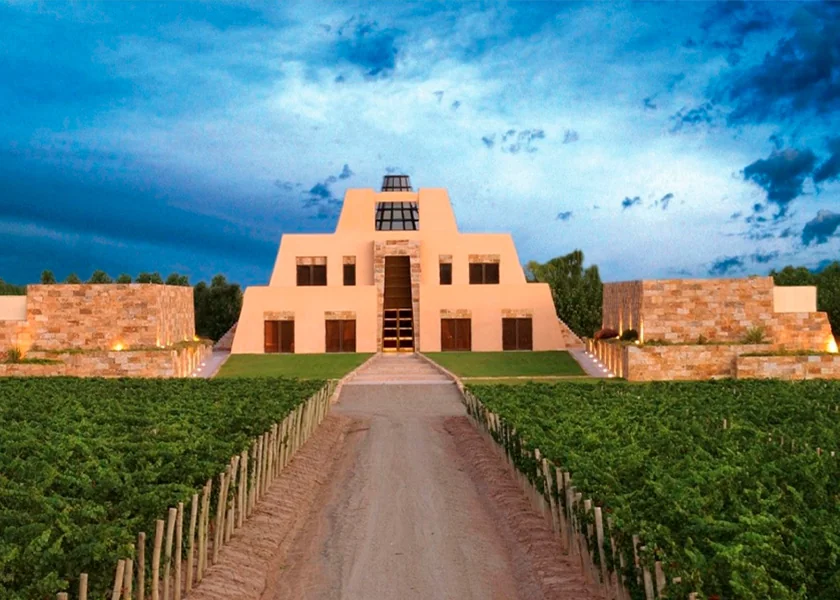
«No single wine explains Argentina the way a Catena Zapata Malbec does.» The Mayan-style pyramid rising above the vineyards of Agrelo has become, over twenty-five years, the most recognisable winery architecture in South America. But the building is only the visible part of a far longer story.

Planning your visit? Discover our private winery tours in Mendoza — or explore our luxury wine experiences in Mendoza.

Catena Zapata is, by most credible measures, the most influential winery in Argentine history. It's also one of the hardest to visit properly. This guide covers what the place really is, why it matters, what to taste when you go, and the practical questions every visitor asks but rarely finds answered honestly.

Four generations, one obsession

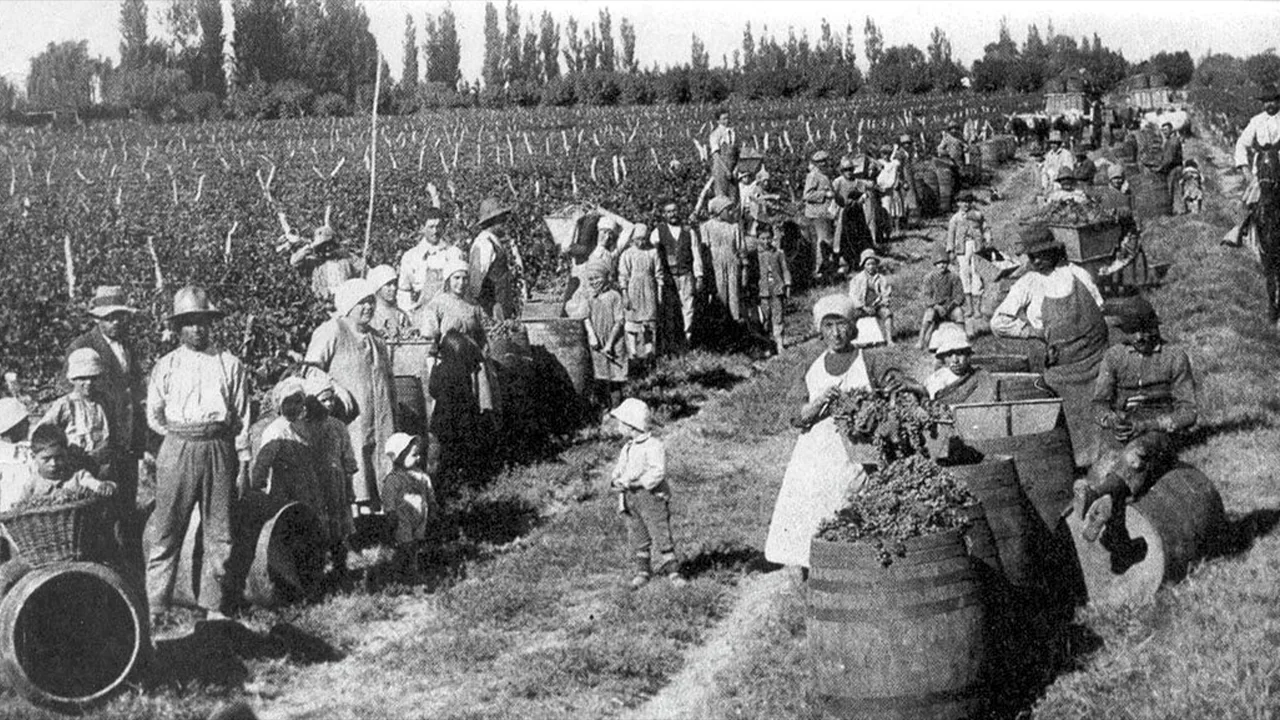
The Catena story begins in 1898, when Nicola Catena, an Italian immigrant from Le Marche, planted the family's first vines in Mendoza. By the middle of the twentieth century the Catena family was one of Argentina's largest wine producers — but, like much of the local industry at the time, focused on volume rather than quality.

The turning point came in the 1980s with Nicolás Catena Zapata, the founder's grandson and an economist trained at Berkeley. After a visit to Napa Valley he made a decision that would change Argentine wine: abandon volume production and rebuild the family business around terroir-driven Malbec, capable of ageing and competing with the world's great reds.

That decision — in a country whose wine industry was then known mainly for cheap table wine — was treated by many as a delusion. Over the following two decades it produced what is now recognised as the modern Argentine wine industry. Today the winery is led by Laura Catena, the fourth generation, with her father Nicolás still actively involved.

The architecture: a Mayan pyramid in Agrelo

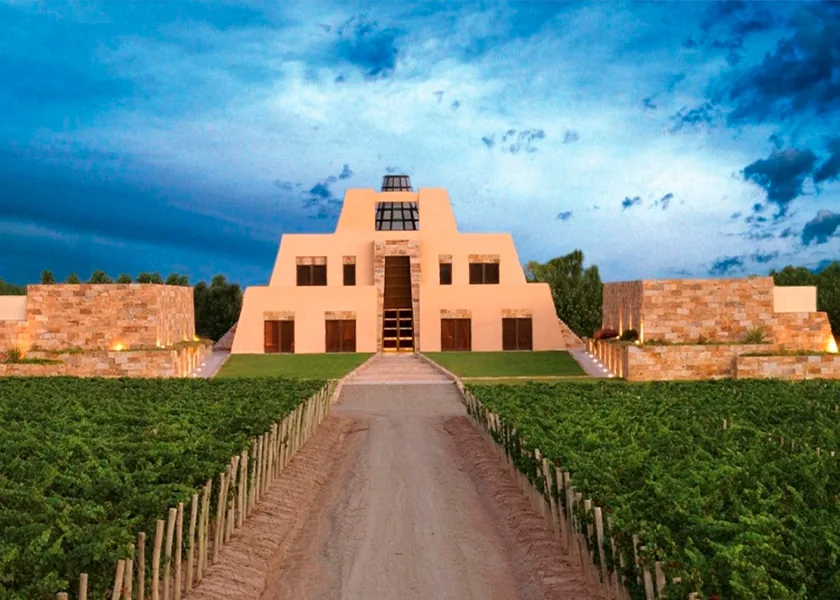
Designed by the Argentine architect Pablo Sánchez Elia, the Catena Zapata building was inspired by the Mayan temple at Tikal in Guatemala. The reference is deliberate: pre-Columbian American architecture as a counterweight to the European-classical winery aesthetic that dominates Mendoza. The form is geometric, monumental and unmistakable from the approach road.

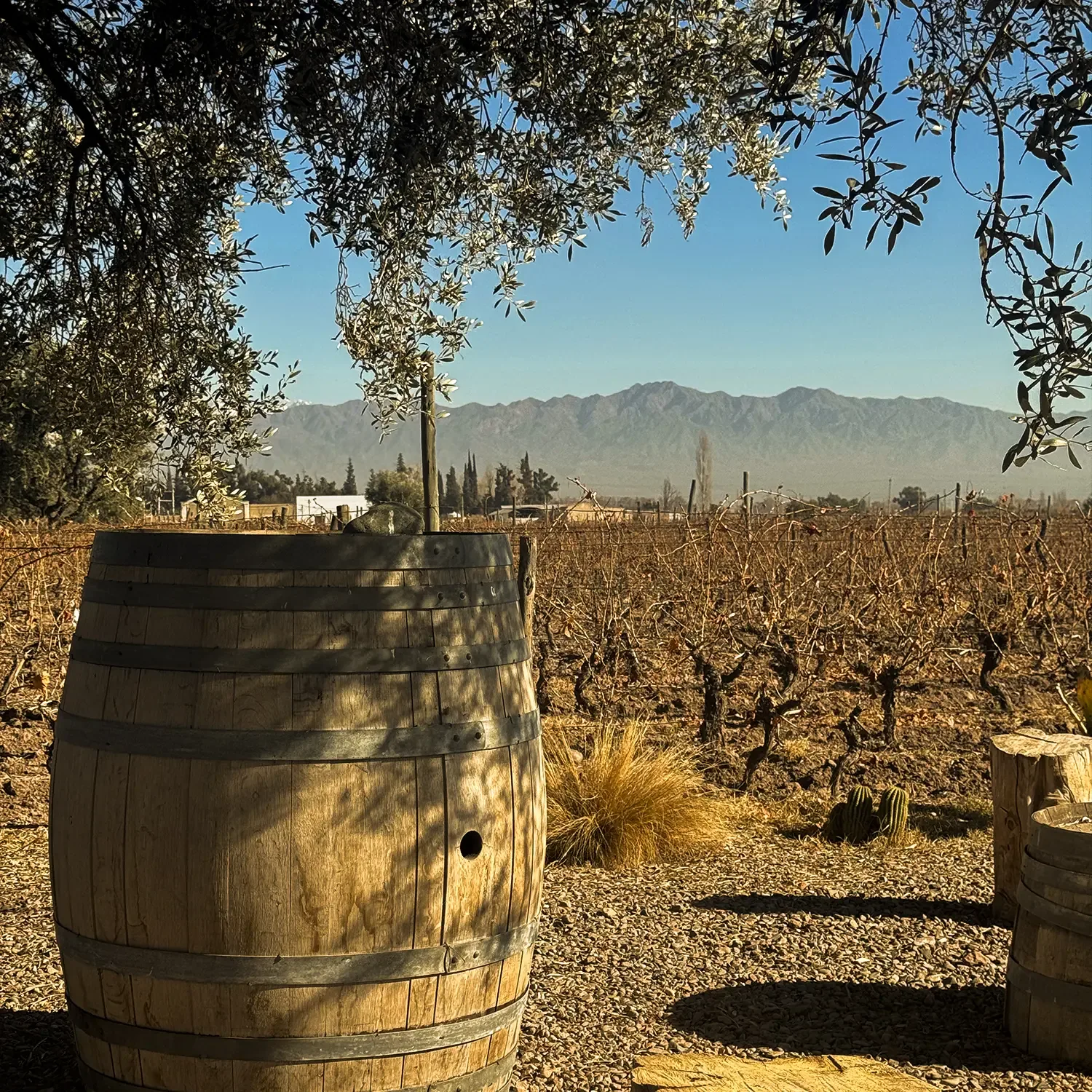
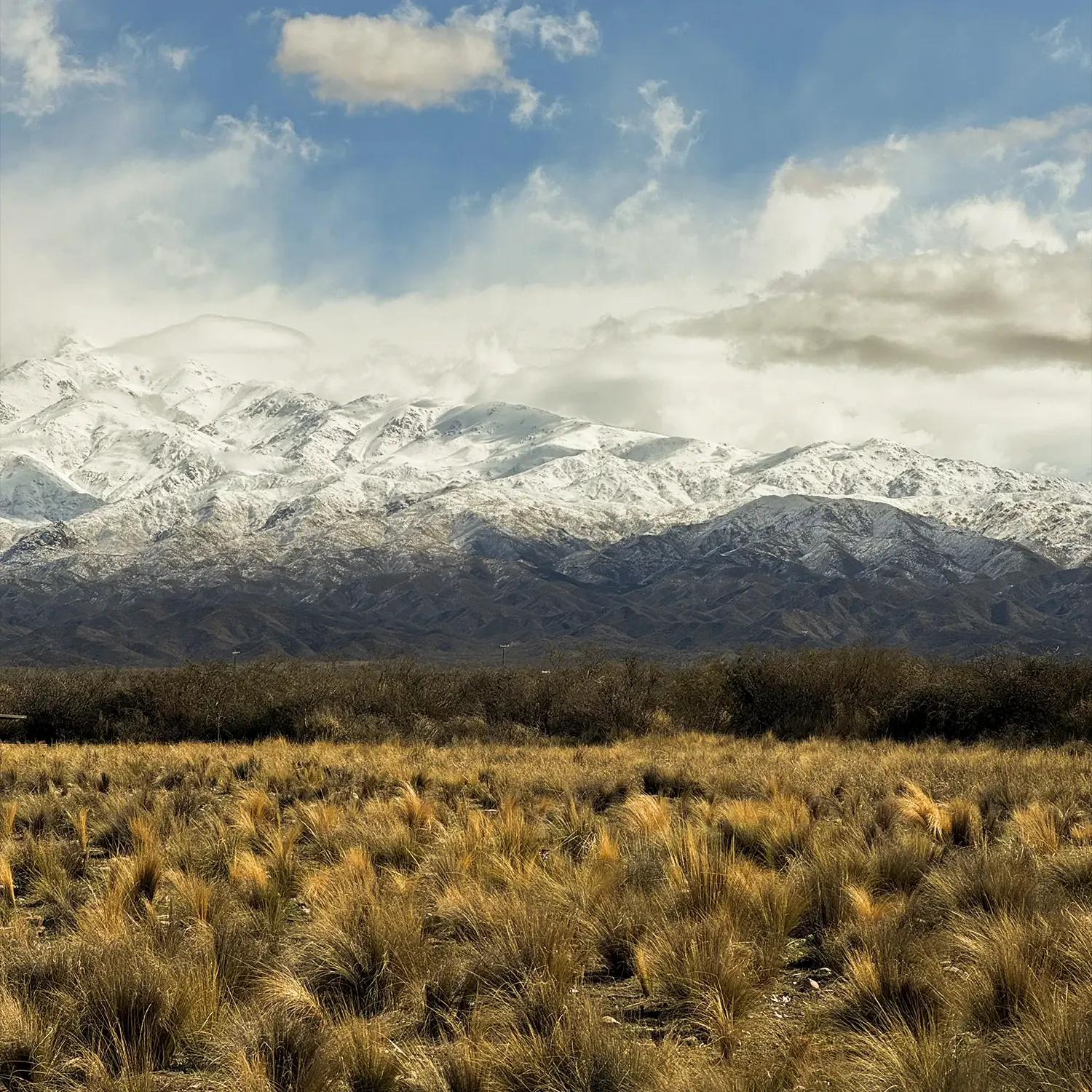
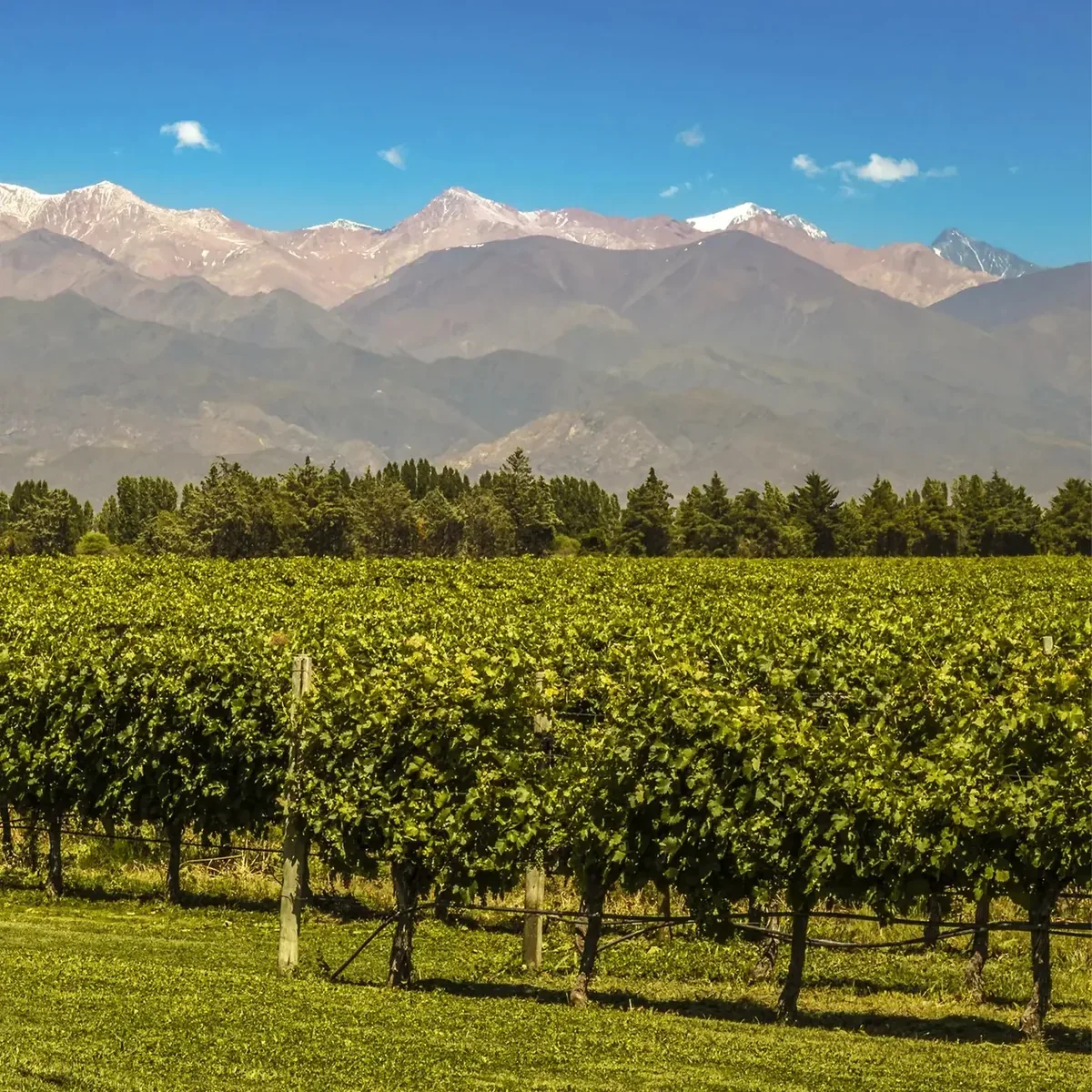
Inside, the building works across three levels — reception and tasting at the top, production and the barrel room in the middle, and underground cellars at the base, where the wines age in oak. The vineyard views from the upper level reach across Agrelo to the Andes on clear days.

What you taste on a visit

The Catena portfolio is structured like a staircase, and a visit climbs its steps:

  • Catena: the entry point into the idea of Argentine Malbec — bright, fruity, approachable
  • Catena Alta: the next step, with more vineyard specificity and oak influence
  • Nicolás Catena Zapata: a Bordeaux-style blend that established Argentina's ability to make age-worthy wines on the international stage
  • Adrianna Vineyard wines: parcel-specific Malbec, Chardonnay and Cabernet Franc from the family's most studied vineyard in Gualtallary — perhaps the most analysed vineyard in Argentina

The premium tasting experiences include single-parcel wines that don't reach most retail markets, plus pre-release samples of future vintages. If you want to understand Argentine Malbec in depth, this is the most efficient lesson available.

How to visit: the honest version

Booking lead times

This is the part travellers underestimate. During Mendoza's high season (October to April), and especially during harvest in February and March, Catena Zapata fills up two to three months in advance. The premium tasting rooms have very limited daily capacity and walk-ins are essentially impossible. If a visit to Catena is non-negotiable, book as soon as your dates are confirmed.

Tasting tiers

Visit options range from a standard guided tour with a classic tasting (around 90 minutes) to private library tastings with Adrianna Vineyard wines and older vintages. The private experiences are significantly more expensive but include wines that simply aren't available any other way.

Where it is

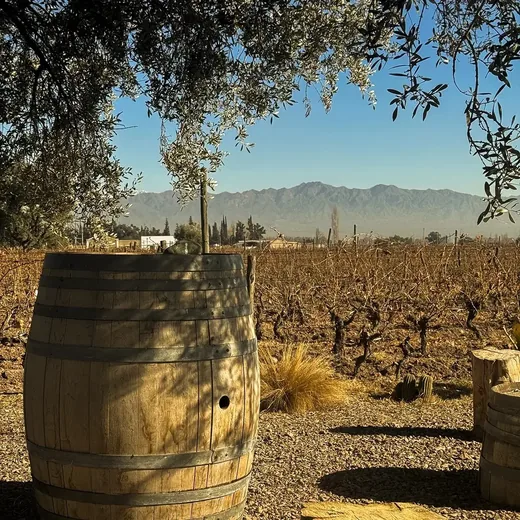
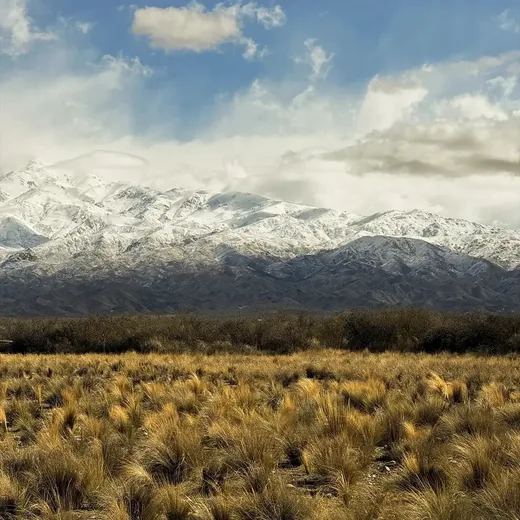
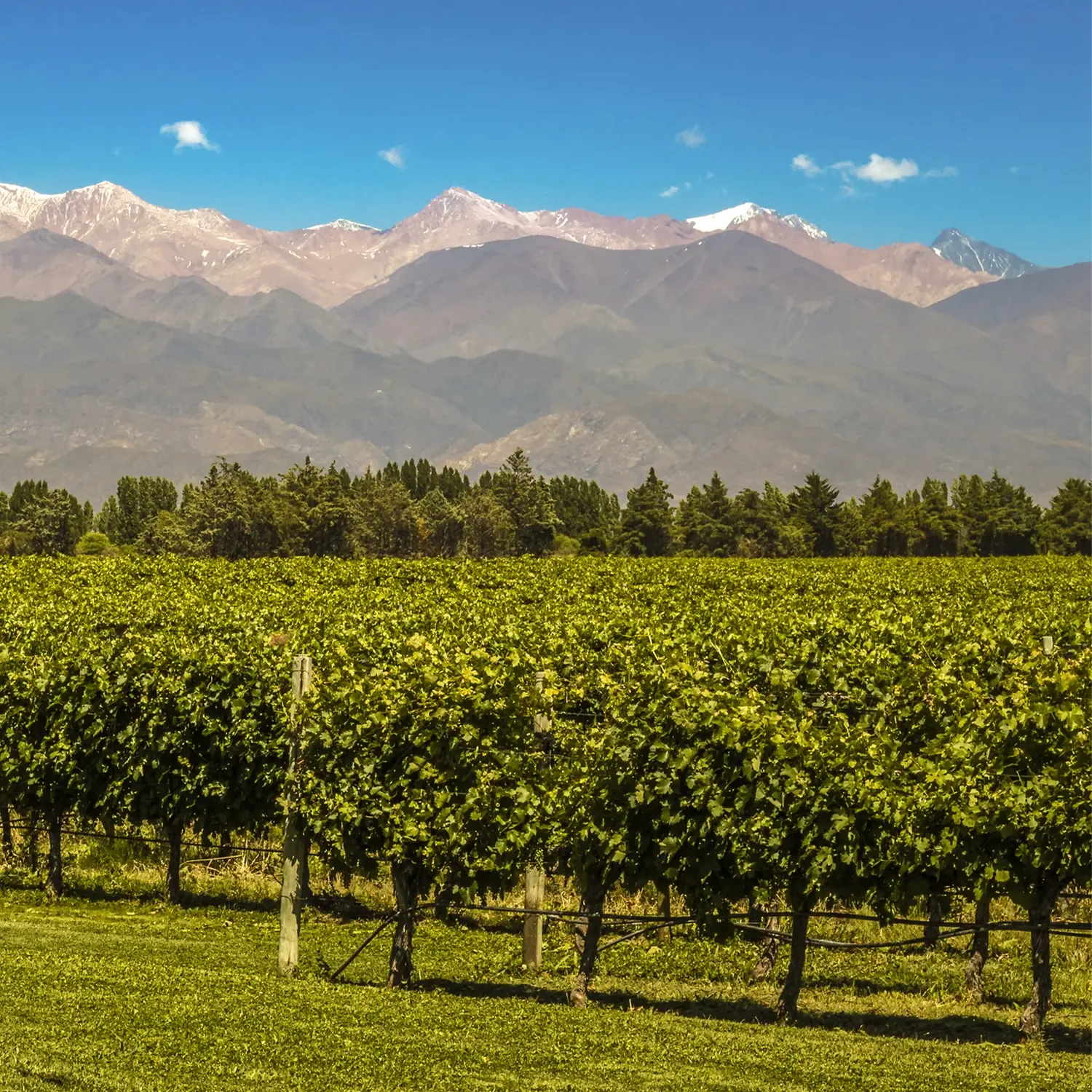
The winery is in Agrelo, Luján de Cuyo, about 45 minutes south of the city of Mendoza. The entrance road runs through vineyards with mountain views — one of the most dramatic approaches in Mendoza wine country. For more on the wider region and which other estates to combine it with, see our private Luján de Cuyo tour.

What to pair it with

Catena Zapata is intense as a standalone experience. Most travellers want to balance it with something quieter the same day. Two visits maximum, with lunch at one of them. Estates that complement it well in Luján de Cuyo include the smaller boutique producers covered on our curated wineries page in detail.

Why Catena matters beyond the visit

To understand why Catena Zapata holds the place it does in Argentine wine, you have to understand what the country's industry looked like thirty years ago. Production was overwhelmingly aimed at the domestic market, with volume wines aged in old vats and exported only at low prices. The idea that Argentina could produce wines able to sit alongside Burgundy or Bordeaux on fine-dining tables in New York, London or Hong Kong was, until the early 2000s, treated by most international critics as a fantasy.

Catena's work — especially the Adrianna Vineyard project — effectively proved the opposite. Wine Spectator, Decanter and James Suckling have consistently given the top Catena wines scores in the high 90s over the past decade. The knock-on effect on Argentine viticulture has been enormous, and almost every premium producer in Mendoza today is, in some way, building on the path Catena opened.

If you want to read more about how Mendoza became globally relevant, our history of fine wine in Mendoza covers this transition in detail.

FAQ

Can I just turn up at Catena Zapata?

No. The winery operates by reservation only and doesn't accept walk-ins. Plan ahead, especially for high season.

Is the price difference of the private tasting worth it?

If your interest is the Adrianna Vineyard wines and the highest level of Argentine Malbec, yes. The wines poured in the private experience aren't the same as in the standard tasting, and many aren't bottled in commercial quantities. For a casual visitor, the classic tasting is more than enough.

Should Catena Zapata be my only visit?

If you have only one day and one visit, it's a legitimate choice. But Mendoza is best experienced through contrast — combining a flagship like Catena with a smaller boutique producer reveals more about the region than either visit alone.

Where can I stay nearby?

The closest premium accommodation is in Chacras de Coria or the wine lodges of Agrelo and Vistalba.

Visiting Catena Zapata is one of the most satisfying experiences in Mendoza — if it's done with the right preparation. If you'd like us to organise a private tour including Catena alongside a complementary boutique winery and a paired lunch, get in touch on WhatsApp and we'll take care of bookings, transport and itinerary.

Related tourPrivate Luján de Cuyo tourVisit Catena Zapata and other Agrelo icons with a private guide›

More questions? Take a look at our FAQ with 25 common questions about tours, pricing, logistics and the High Mountain excursion.

V

Written by

Vito Wine Tours

Founder and head concierge at Vito Wine Tours. More than 15 years curating private experiences at boutique wineries in Luján de Cuyo, Maipú and the Uco Valley.

Want to live it?

Visit Catena Zapata with us

Personal guidance · Confirmed bookings · Private experiences

Ask on WhatsApp
Bodega Catena Zapata, Mendoza, Argentina, Malbec

Icon winery

Inside Catena Zapata: history, wines and visit

The Mayan pyramid in the vineyards, the family behind it and what makes the visit worth the wait

«No single wine explains Argentina the way a Catena Zapata Malbec does.» The Mayan-style pyramid rising above the vineyards of Agrelo has become, over twenty-five years, the most recognisable winery architecture in South America. But the building is only the visible part of a far longer story.

Planning your visit? Discover our private winery tours in Mendoza — or explore our luxury wine experiences in Mendoza.

Catena Zapata is, by most credible measures, the most influential winery in Argentine history. It's also one of the hardest to visit properly. This guide covers what the place really is, why it matters, what to taste when you go, and the practical questions every visitor asks but rarely finds answered honestly.

Four generations, one obsession

The Catena story begins in 1898, when Nicola Catena, an Italian immigrant from Le Marche, planted the family's first vines in Mendoza. By the middle of the twentieth century the Catena family was one of Argentina's largest wine producers — but, like much of the local industry at the time, focused on volume rather than quality.

The turning point came in the 1980s with Nicolás Catena Zapata, the founder's grandson and an economist trained at Berkeley. After a visit to Napa Valley he made a decision that would change Argentine wine: abandon volume production and rebuild the family business around terroir-driven Malbec, capable of ageing and competing with the world's great reds.

That decision — in a country whose wine industry was then known mainly for cheap table wine — was treated by many as a delusion. Over the following two decades it produced what is now recognised as the modern Argentine wine industry. Today the winery is led by Laura Catena, the fourth generation, with her father Nicolás still actively involved.

The architecture: a Mayan pyramid in Agrelo

Designed by the Argentine architect Pablo Sánchez Elia, the Catena Zapata building was inspired by the Mayan temple at Tikal in Guatemala. The reference is deliberate: pre-Columbian American architecture as a counterweight to the European-classical winery aesthetic that dominates Mendoza. The form is geometric, monumental and unmistakable from the approach road.

Inside, the building works across three levels — reception and tasting at the top, production and the barrel room in the middle, and underground cellars at the base, where the wines age in oak. The vineyard views from the upper level reach across Agrelo to the Andes on clear days.

What you taste on a visit

The Catena portfolio is structured like a staircase, and a visit climbs its steps:

  • Catena: the entry point into the idea of Argentine Malbec — bright, fruity, approachable
  • Catena Alta: the next step, with more vineyard specificity and oak influence
  • Nicolás Catena Zapata: a Bordeaux-style blend that established Argentina's ability to make age-worthy wines on the international stage
  • Adrianna Vineyard wines: parcel-specific Malbec, Chardonnay and Cabernet Franc from the family's most studied vineyard in Gualtallary — perhaps the most analysed vineyard in Argentina

The premium tasting experiences include single-parcel wines that don't reach most retail markets, plus pre-release samples of future vintages. If you want to understand Argentine Malbec in depth, this is the most efficient lesson available.

How to visit: the honest version

Booking lead times

This is the part travellers underestimate. During Mendoza's high season (October to April), and especially during harvest in February and March, Catena Zapata fills up two to three months in advance. The premium tasting rooms have very limited daily capacity and walk-ins are essentially impossible. If a visit to Catena is non-negotiable, book as soon as your dates are confirmed.

Tasting tiers

Visit options range from a standard guided tour with a classic tasting (around 90 minutes) to private library tastings with Adrianna Vineyard wines and older vintages. The private experiences are significantly more expensive but include wines that simply aren't available any other way.

Where it is

The winery is in Agrelo, Luján de Cuyo, about 45 minutes south of the city of Mendoza. The entrance road runs through vineyards with mountain views — one of the most dramatic approaches in Mendoza wine country. For more on the wider region and which other estates to combine it with, see our private Luján de Cuyo tour.

What to pair it with

Catena Zapata is intense as a standalone experience. Most travellers want to balance it with something quieter the same day. Two visits maximum, with lunch at one of them. Estates that complement it well in Luján de Cuyo include the smaller boutique producers covered on our curated wineries page in detail.

Why Catena matters beyond the visit

To understand why Catena Zapata holds the place it does in Argentine wine, you have to understand what the country's industry looked like thirty years ago. Production was overwhelmingly aimed at the domestic market, with volume wines aged in old vats and exported only at low prices. The idea that Argentina could produce wines able to sit alongside Burgundy or Bordeaux on fine-dining tables in New York, London or Hong Kong was, until the early 2000s, treated by most international critics as a fantasy.

Catena's work — especially the Adrianna Vineyard project — effectively proved the opposite. Wine Spectator, Decanter and James Suckling have consistently given the top Catena wines scores in the high 90s over the past decade. The knock-on effect on Argentine viticulture has been enormous, and almost every premium producer in Mendoza today is, in some way, building on the path Catena opened.

If you want to read more about how Mendoza became globally relevant, our history of fine wine in Mendoza covers this transition in detail.

FAQ

Can I just turn up at Catena Zapata?

No. The winery operates by reservation only and doesn't accept walk-ins. Plan ahead, especially for high season.

Is the price difference of the private tasting worth it?

If your interest is the Adrianna Vineyard wines and the highest level of Argentine Malbec, yes. The wines poured in the private experience aren't the same as in the standard tasting, and many aren't bottled in commercial quantities. For a casual visitor, the classic tasting is more than enough.

Should Catena Zapata be my only visit?

If you have only one day and one visit, it's a legitimate choice. But Mendoza is best experienced through contrast — combining a flagship like Catena with a smaller boutique producer reveals more about the region than either visit alone.

Where can I stay nearby?

The closest premium accommodation is in Chacras de Coria or the wine lodges of Agrelo and Vistalba.

Visiting Catena Zapata is one of the most satisfying experiences in Mendoza — if it's done with the right preparation. If you'd like us to organise a private tour including Catena alongside a complementary boutique winery and a paired lunch, get in touch on WhatsApp and we'll take care of bookings, transport and itinerary.

More questions? Take a look at our FAQ with 25 common questions about tours, pricing, logistics and the High Mountain excursion.

Visit Catena Zapata with us

Personal guidance · Confirmed bookings · Private experiences
Vito Wine Tours

Private winery tours in Mendoza.

+54 9 261 699-7101vitowinetours@gmail.com