
Dark mode

Home › Blog › ">→Cabernet Franc

Grape variety

Cabernet Franc in Argentina: Mendoza's rising red

How an underestimated grape became Argentina's most exciting red after Malbec
Updated May 2026 · Vito Wine Tours · May 2026 · 6 min read

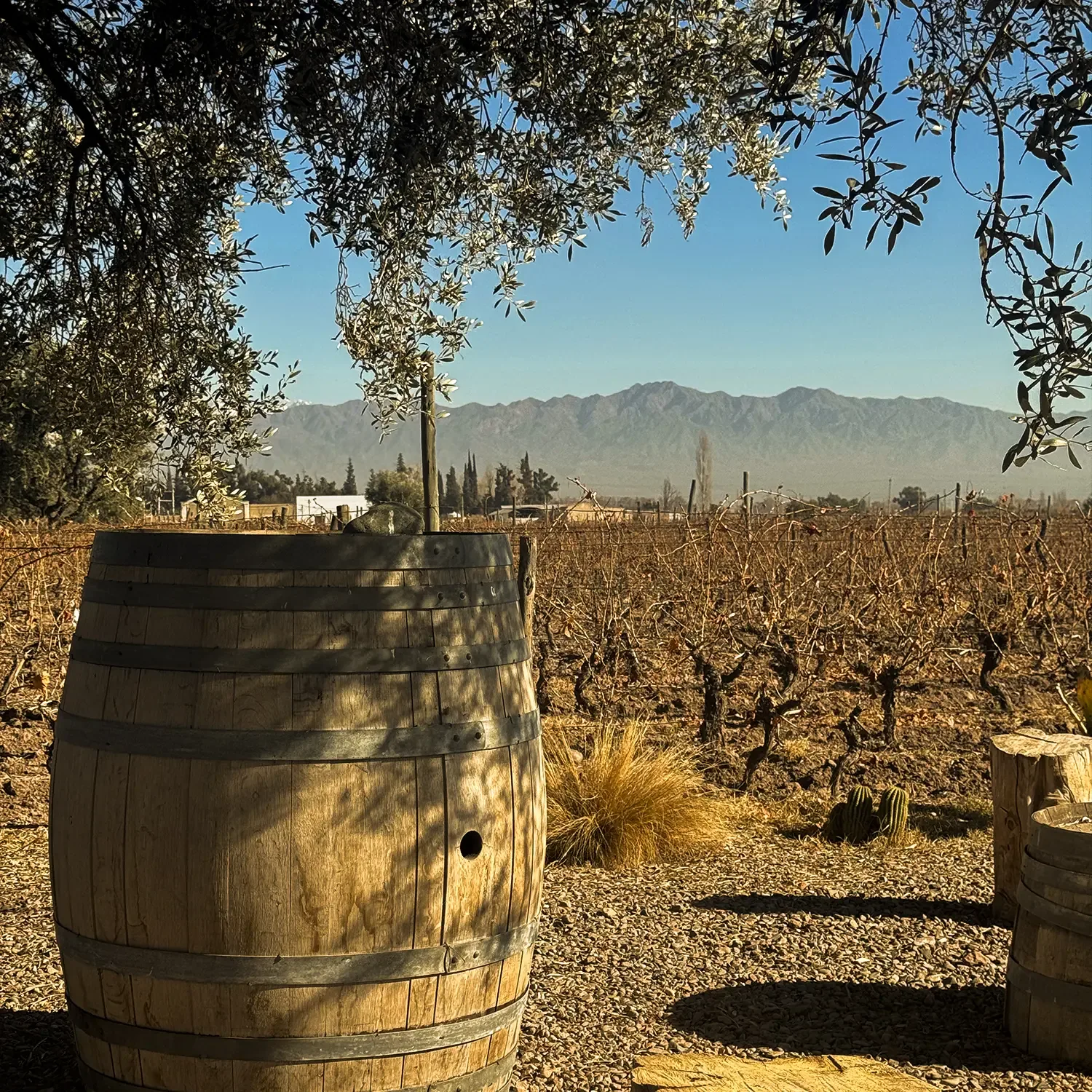
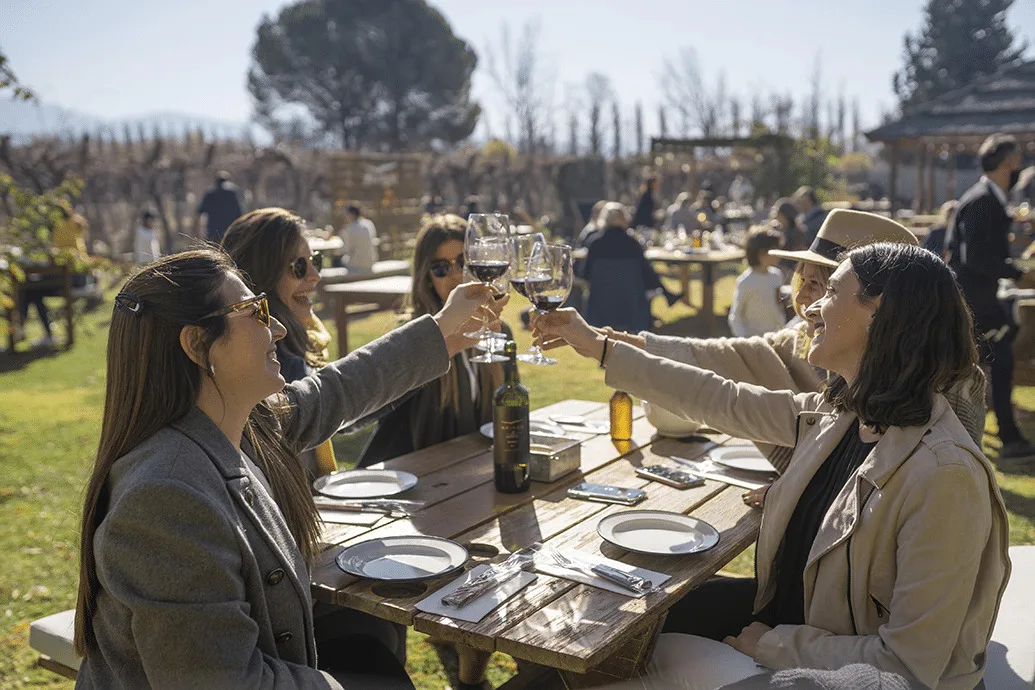
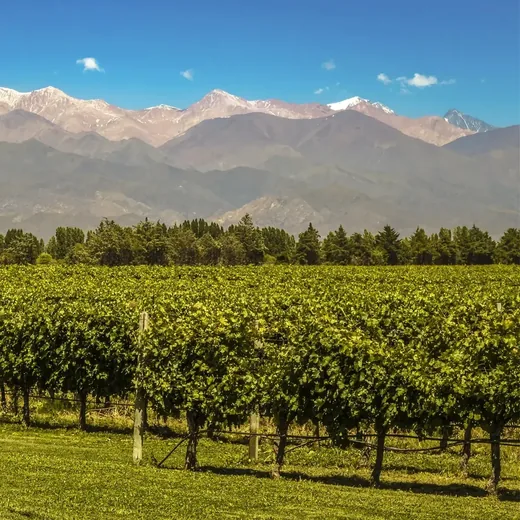
Cabernet Franc wines from Mendoza, Argentina

"If Malbec is Argentina's flag, Cabernet Franc is the conversation underneath it." Twenty years ago, Cabernet Franc was a footnote in Argentine wine — planted mostly as a blending component, rarely bottled on its own. Today it produces some of the country's highest-scoring reds, including the only Argentine wines to have received 100 points more than once from international critics.

Planning your visit? Discover our private wine tours in Mendoza — or explore our luxury wine experiences in Mendoza.

For wine visitors who already know Malbec well and want to understand where Mendoza is heading, Cabernet Franc is the conversation. This guide covers why it works so well here, which wineries lead the category, and how to design a tasting itinerary around it.

Why Cabernet Franc works in Mendoza

Cabernet Franc is the parent grape of Cabernet Sauvignon, native to the Bordeaux region. In its European home it tends to produce lean, herbal, structured wines — not always the easiest style to love. In warmer climates it ripens more fully and gains aromatic depth without losing its herbal signature.

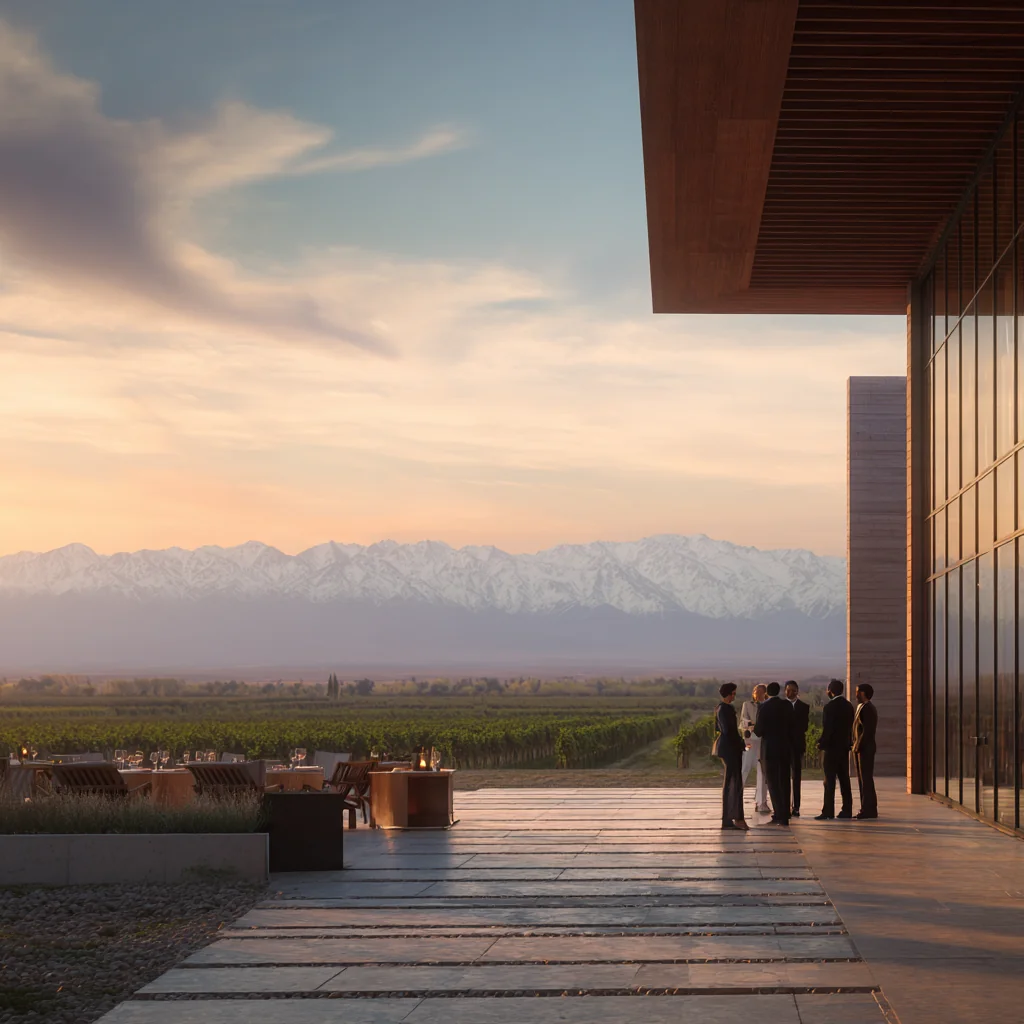
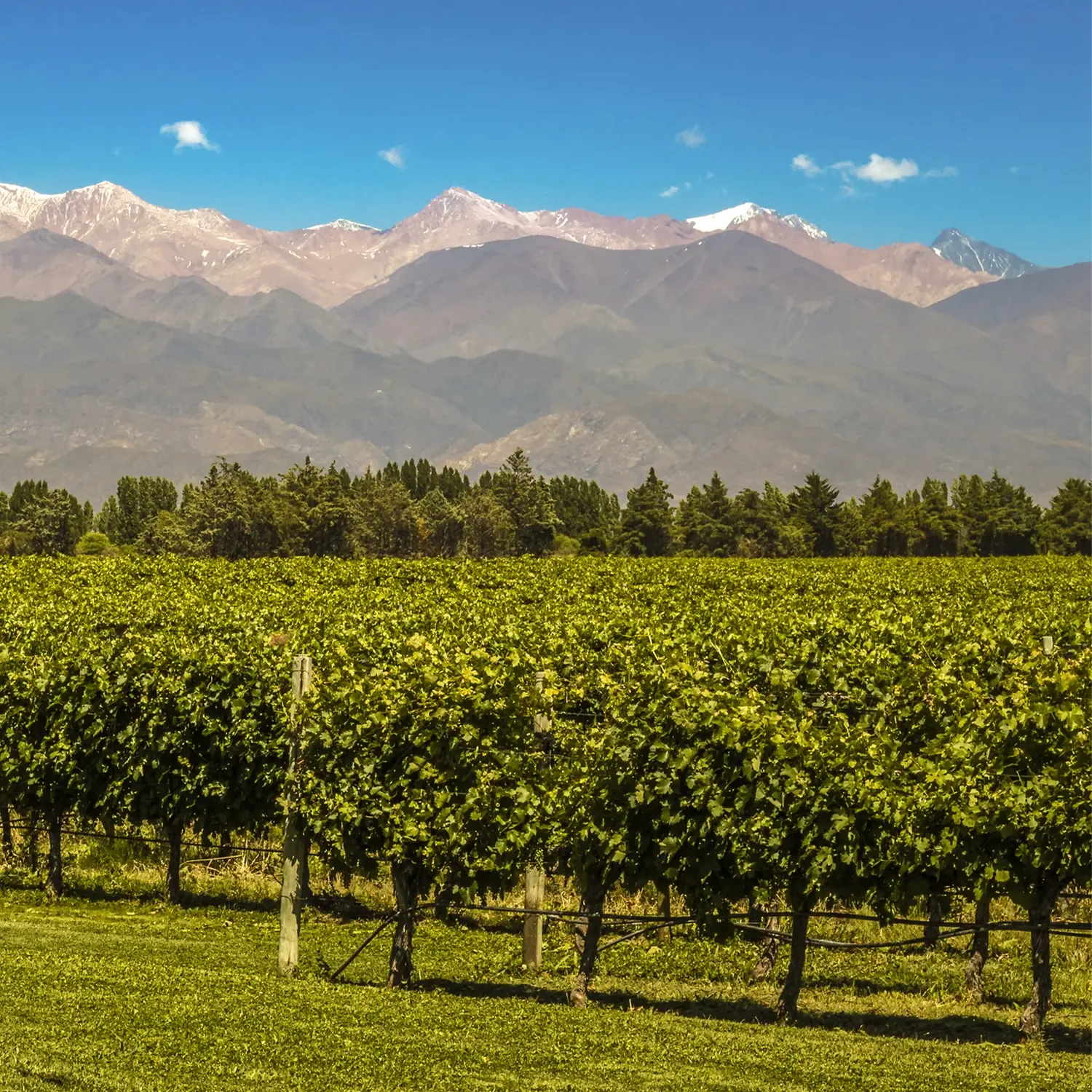
Mendoza, particularly at altitude, strikes a balance almost no other region matches. The Uco Valley climate — intense daytime sun, cold nights, low humidity — produces Cabernet Franc with full phenolic ripeness, deep colour, herbal-spiced aromatics and the freshness that comes from preserved acidity. The result tastes like a more textured Bordeaux Cabernet Franc with the structural quality of a serious Argentine Malbec.

It's critical: the cold high-altitude sites of Gualtallary, Paraje Altamira y Vista Flores have proved especially well suited.

The wineries leading the category

El Enemigo (Casa Vigil)

The Gran Enemigo Gualtallary Cabernet Franc is the wine that put Argentine Cabernet Franc on the international map. Alejandro Vigil and Adrianna Catena's single-vineyard expression from Gualtallary has scored 100 points more than once from international critics. The wine is austere, herbal, structured and built for the cellar. For the full story, see our Casa Vigil guide.

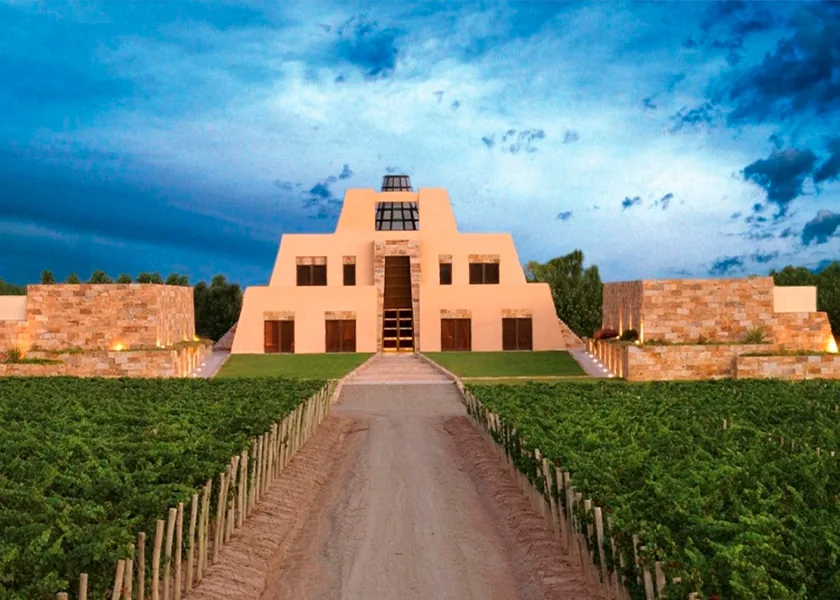
Catena Zapata (Adrianna Vineyard)

The Catena family's work in Gualtallary includes a particularly studied Cabernet Franc from the Adrianna Vineyard. The wine differs from Vigil's in temperament — slightly riper, more approachable young — but shares the same structural depth. For more, see our Catena Zapata guide.

Cheval des Andes

The Bordeaux-influenced project builds its grand wine around a blend in which Cabernet Franc plays a central role — the most explicitly Bordeaux-styled Argentine wine made at scale.

Achaval-Ferrer

Better known for their single-parcel Malbecs, Achaval-Ferrer's Cabernet Franc has earned consistent recognition for showing the grape's herbal-mineral side without losing density.

Susana Balbo

Balbo's signature Cabernet Franc shows how the grape works in a more refined, less austere register. See our Susana Balbo guide.

What Mendoza Cabernet Franc actually tastes like

The character of Mendoza Cabernet Franc has settled into a recognisable profile:

  • Aromatic markers: fresh herbs (bay, sage), violets, dark fruit, pencil shavings and sometimes black olive
  • Palate: medium to full body, ripe but structured tannins, fresh acidity and a mineral finish
  • Ageing: most of the top wines are built for 10 to 15 years in the cellar

Designing an itinerary around Cabernet Franc

The Uco Valley axis

The most efficient way to taste serious Mendoza Cabernet Franc is a day focused on the Uco Valley with two visits: one in Gualtallary, one in Paraje Altamira or Vista Flores. That covers the two most highly regarded zones for the grape and lets you compare them directly.

Don't skip the comparison with Malbec

The most useful tasting decision when exploring Cabernet Franc in Mendoza is to taste it alongside the same producer's Malbec. The two grapes reveal each other. Almost every top winery that makes both will pour them side by side if you ask.

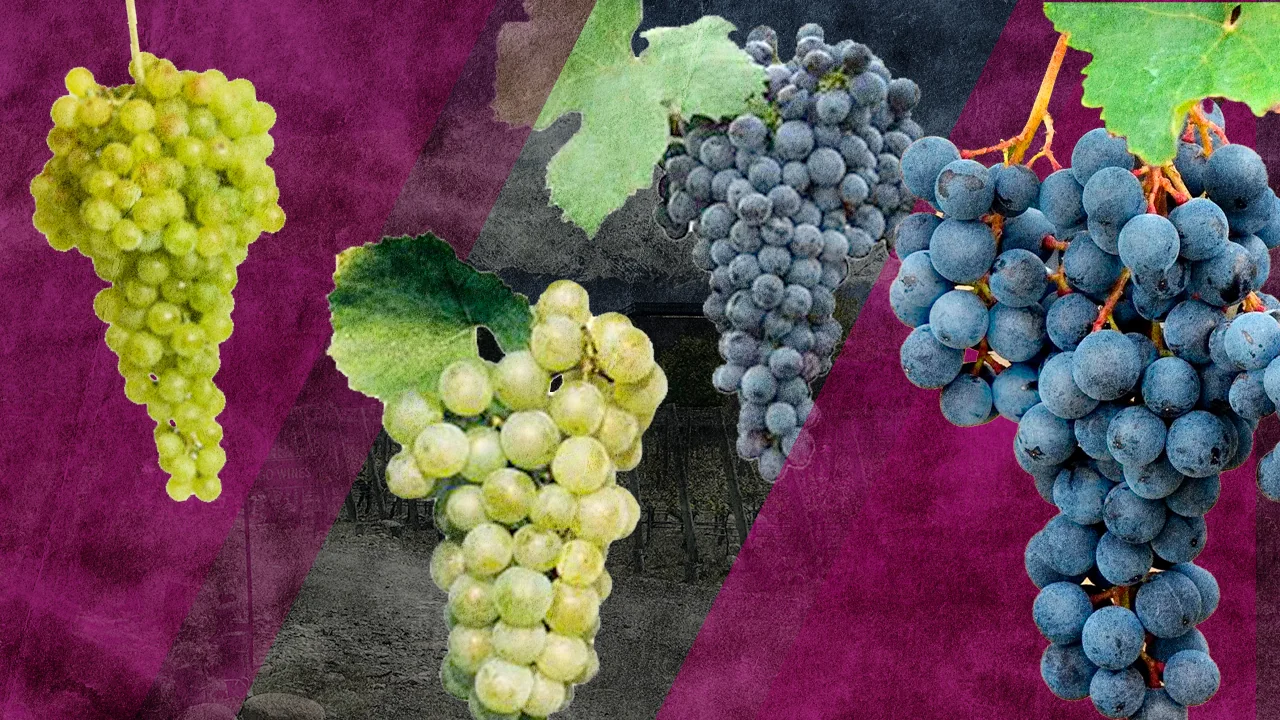
If you want a broader frame on Mendoza's varieties, our grape variety guide covers Malbec, Cabernet Sauvignon and native Bonarda alongside Cabernet Franc.

Why this matters

For most of the past twenty years, Argentine wine outside Argentina has been almost synonymous with Malbec. That has been commercially successful but increasingly limiting. The wineries leading the Cabernet Franc conversation are building a credible second category — one that lets Argentina compete in the structured, age-worthy, fine-dining segment where Malbec sometimes struggles.

FAQ

Should I taste Cabernet Franc before or after Malbec?

Side by side is best. If you have to choose an order, start with Malbec and move to Cabernet Franc.

Do they age well?

Yes, particularly the top bottlings. 10 to 15 years in the cellar is reasonable for the best wines.

How does Mendoza Cabernet Franc compare with Bordeaux?

More fruit, more body, equally structured. It's a New World expression of an Old World grape, with serious quality at the top end.

If you'd like us to design a Mendoza trip with Cabernet Franc as its thread, get in touch on WhatsApp and we'll build it.

Related tourUco Valley tourTaste high-altitude Cabernet Franc in Gualtallary and Paraje Altamira›

More questions? Take a look at our FAQ with 25 common questions about tours, pricing, logistics and the High Mountain excursion.

V

Written by

Vito Wine Tours

Private wine experiences in Mendoza. We design and run tailor-made days at boutique wineries in Lujan de Cuyo, Maipu and the Uco Valley.

Want to live it?

Discover Mendoza Cabernet Franc with us

Personal guidance · Confirmed bookings · Private experiences

Ask on WhatsApp
Cabernet Franc wines from Mendoza, Argentina

Grape variety

Cabernet Franc in Argentina: Mendoza's rising red

How an underestimated grape became Argentina's most exciting red after Malbec

"If Malbec is Argentina's flag, Cabernet Franc is the conversation underneath it." Twenty years ago, Cabernet Franc was a footnote in Argentine wine — planted mostly as a blending component, rarely bottled on its own. Today it produces some of the country's highest-scoring reds, including the only Argentine wines to have received 100 points more than once from international critics.

Planning your visit? Discover our private wine tours in Mendoza — or explore our luxury wine experiences in Mendoza.

For wine visitors who already know Malbec well and want to understand where Mendoza is heading, Cabernet Franc is the conversation. This guide covers why it works so well here, which wineries lead the category, and how to design a tasting itinerary around it.

Why Cabernet Franc works in Mendoza

Cabernet Franc is the parent grape of Cabernet Sauvignon, native to the Bordeaux region. In its European home it tends to produce lean, herbal, structured wines — not always the easiest style to love. In warmer climates it ripens more fully and gains aromatic depth without losing its herbal signature.

Mendoza, particularly at altitude, strikes a balance almost no other region matches. The Uco Valley climate — intense daytime sun, cold nights, low humidity — produces Cabernet Franc with full phenolic ripeness, deep colour, herbal-spiced aromatics and the freshness that comes from preserved acidity. The result tastes like a more textured Bordeaux Cabernet Franc with the structural quality of a serious Argentine Malbec.

It's critical: the cold high-altitude sites of Gualtallary, Paraje Altamira y Vista Flores have proved especially well suited.

The wineries leading the category

El Enemigo (Casa Vigil)

The Gran Enemigo Gualtallary Cabernet Franc is the wine that put Argentine Cabernet Franc on the international map. Alejandro Vigil and Adrianna Catena's single-vineyard expression from Gualtallary has scored 100 points more than once from international critics. The wine is austere, herbal, structured and built for the cellar. For the full story, see our Casa Vigil guide.

Catena Zapata (Adrianna Vineyard)

The Catena family's work in Gualtallary includes a particularly studied Cabernet Franc from the Adrianna Vineyard. The wine differs from Vigil's in temperament — slightly riper, more approachable young — but shares the same structural depth. For more, see our Catena Zapata guide.

Cheval des Andes

The Bordeaux-influenced project builds its grand wine around a blend in which Cabernet Franc plays a central role — the most explicitly Bordeaux-styled Argentine wine made at scale.

Achaval-Ferrer

Better known for their single-parcel Malbecs, Achaval-Ferrer's Cabernet Franc has earned consistent recognition for showing the grape's herbal-mineral side without losing density.

Susana Balbo

Balbo's signature Cabernet Franc shows how the grape works in a more refined, less austere register. See our Susana Balbo guide.

What Mendoza Cabernet Franc actually tastes like

The character of Mendoza Cabernet Franc has settled into a recognisable profile:

  • Aromatic markers: fresh herbs (bay, sage), violets, dark fruit, pencil shavings and sometimes black olive
  • Palate: medium to full body, ripe but structured tannins, fresh acidity and a mineral finish
  • Ageing: most of the top wines are built for 10 to 15 years in the cellar

Designing an itinerary around Cabernet Franc

The Uco Valley axis

The most efficient way to taste serious Mendoza Cabernet Franc is a day focused on the Uco Valley with two visits: one in Gualtallary, one in Paraje Altamira or Vista Flores. That covers the two most highly regarded zones for the grape and lets you compare them directly.

Don't skip the comparison with Malbec

The most useful tasting decision when exploring Cabernet Franc in Mendoza is to taste it alongside the same producer's Malbec. The two grapes reveal each other. Almost every top winery that makes both will pour them side by side if you ask.

If you want a broader frame on Mendoza's varieties, our grape variety guide covers Malbec, Cabernet Sauvignon and native Bonarda alongside Cabernet Franc.

Why this matters

For most of the past twenty years, Argentine wine outside Argentina has been almost synonymous with Malbec. That has been commercially successful but increasingly limiting. The wineries leading the Cabernet Franc conversation are building a credible second category — one that lets Argentina compete in the structured, age-worthy, fine-dining segment where Malbec sometimes struggles.

FAQ

Should I taste Cabernet Franc before or after Malbec?

Side by side is best. If you have to choose an order, start with Malbec and move to Cabernet Franc.

Do they age well?

Yes, particularly the top bottlings. 10 to 15 years in the cellar is reasonable for the best wines.

How does Mendoza Cabernet Franc compare with Bordeaux?

More fruit, more body, equally structured. It's a New World expression of an Old World grape, with serious quality at the top end.

If you'd like us to design a Mendoza trip with Cabernet Franc as its thread, get in touch on WhatsApp and we'll build it.

More questions? Take a look at our FAQ with 25 common questions about tours, pricing, logistics and the High Mountain excursion.

Discover Mendoza Cabernet Franc with us

Personal guidance · Confirmed bookings · Private experiences
Vito Wine Tours

Private winery tours in Mendoza.

+54 9 261 699-7101vitowinetours@gmail.com