Home › Blog › ">→High-altitude wines
Wine and terroir
How planting at 1,500 metres changes everything a wine can express
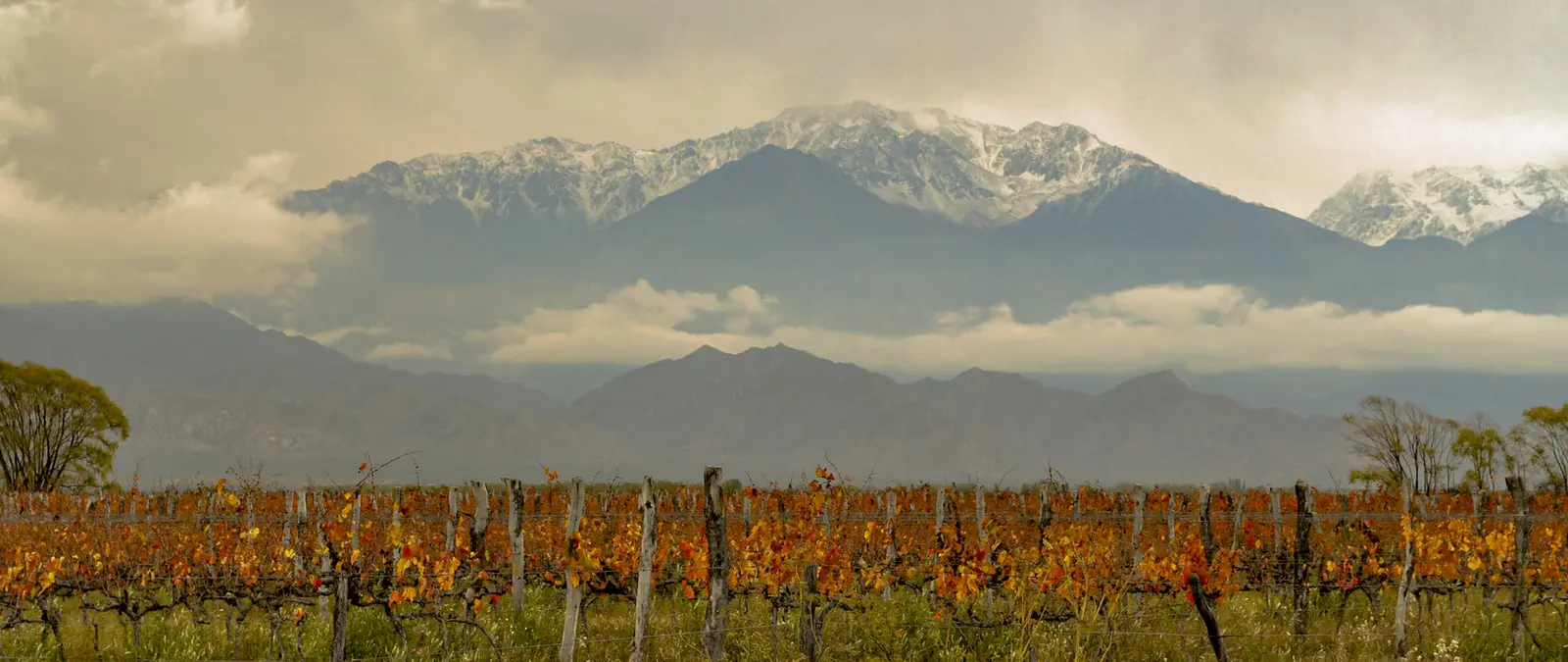
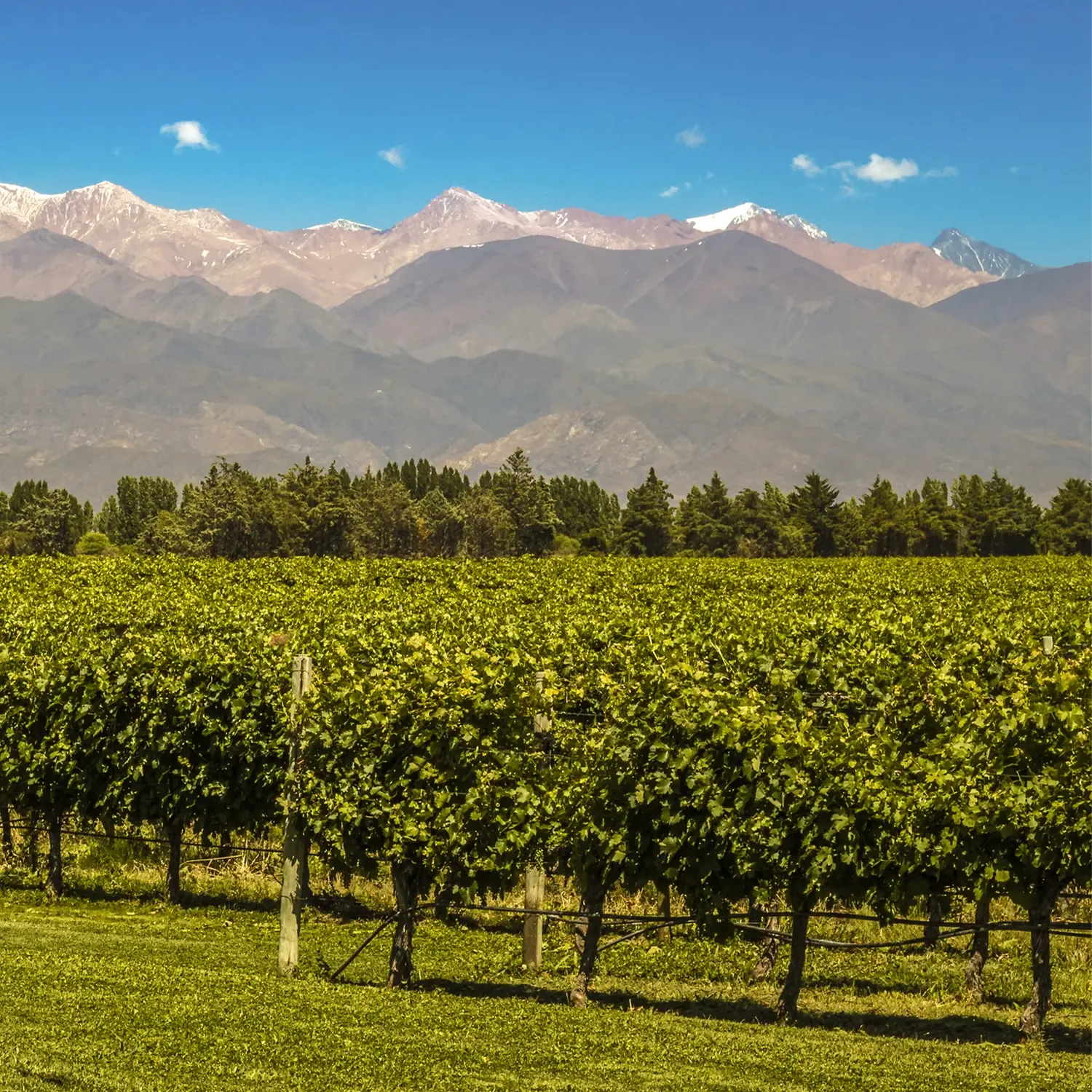
"Altitude isn't marketing in the Uco Valley. It's physics." When a winemaker says their wine comes from vineyards at 1,500 metres, they aren't embellishing the story. They're describing a set of measurable variables — atmospheric pressure, ultraviolet intensity, diurnal temperature range, soil profile — that literally affect every phenolic compound in the finished grape.
Planning your visit? Discover our private wine tours in Mendoza — or explore our luxury wine experiences in Mendoza.
This guide explains why the Uco Valley has become the most talked-about wine zone in Argentina, what genuinely makes its wines different, and how to build a trip that shows those differences.
The altitude range that matters
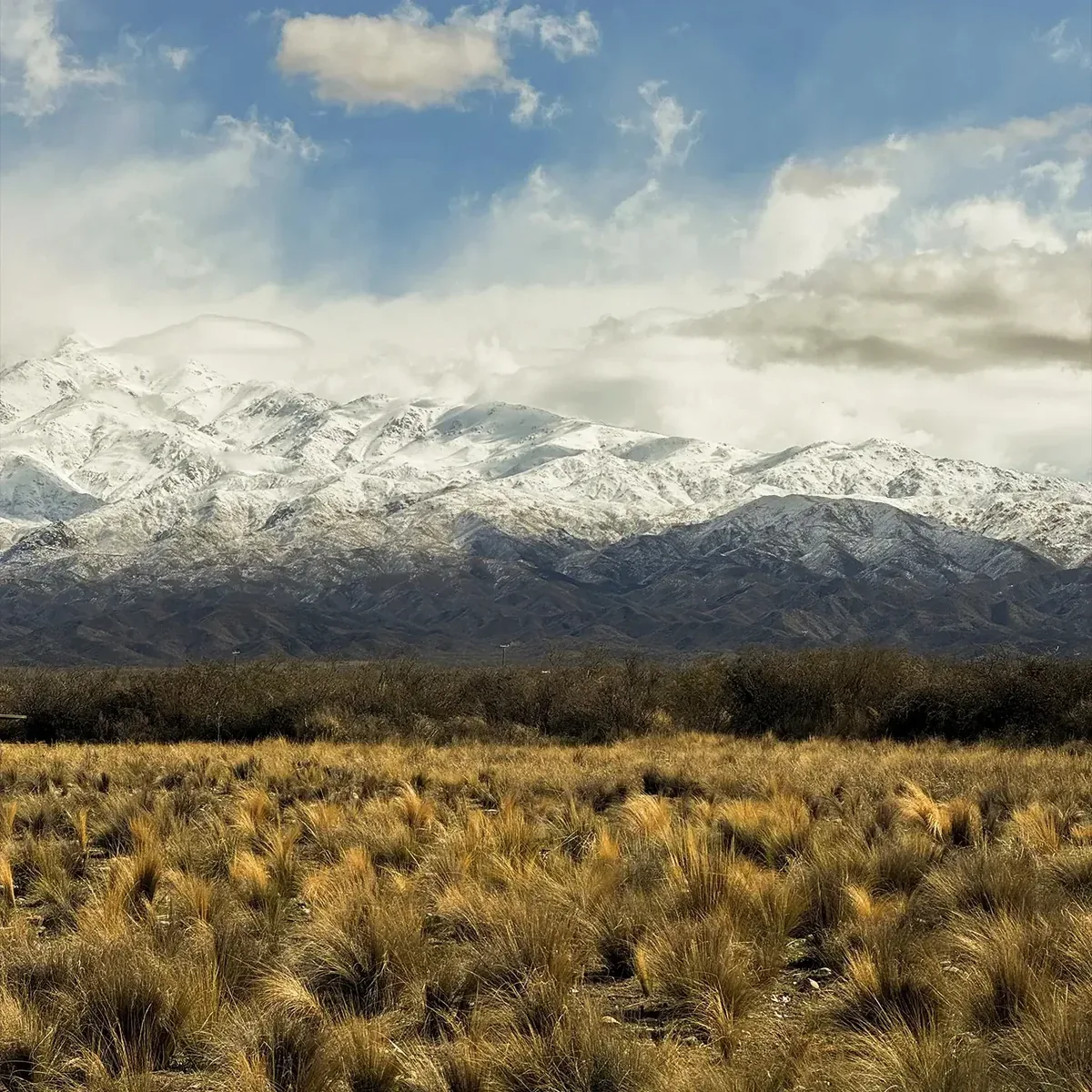
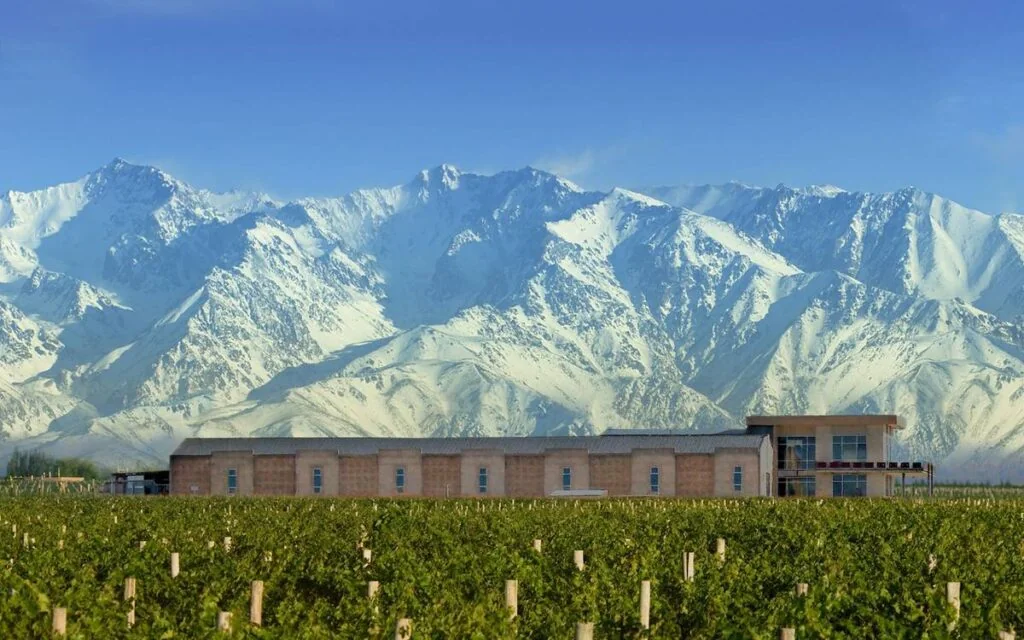
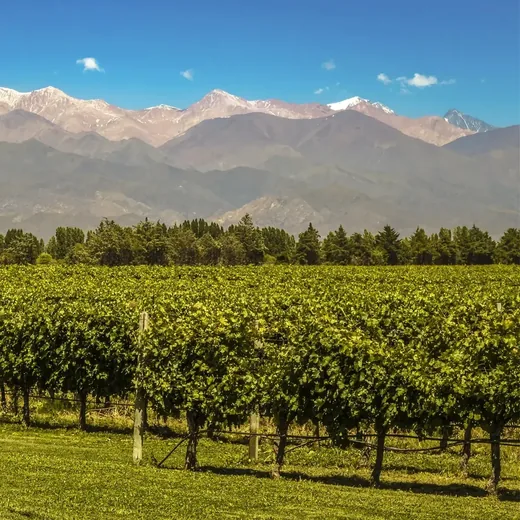
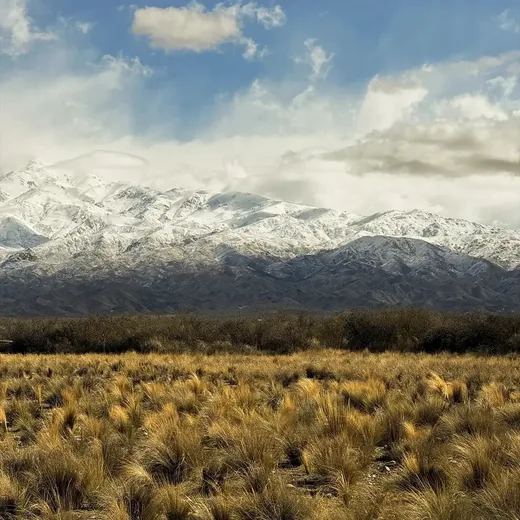
The Uco Valley spans an altitude range without precedent for a contiguous wine region. The southern part, around San Carlos and Vista Flores, starts at about 900–1,000 metres. The middle band in Tunuyán sits between 1,100–1,300 metres. And the northern part in Gualtallary, in Tupungato, rises to 1,500–1,700 metres, with some individual parcels higher still.
For comparison: most California wine zones sit at 100–500 metres. Bordeaux is essentially at sea level. Europe's high-mountain regions (upper Valpolicella, the French Alps) rarely exceed 800 metres. The Uco Valley is playing a different game.
What altitude changes
Wider temperature swings
At 1,500 metres the difference between the daytime high and the night-time low can be 20–25°C in summer. The grape builds sugar by day but slows at night, preserving acidity naturally. The result is fruit with phenolic ripeness and freshness at the same time — a balance that's hard to achieve in warmer climates.
More intense UV radiation
Ultraviolet radiation is significantly higher at altitude, which makes the grape produce more anthocyanins (colour compounds) and polyphenols (tannins, antioxidants) as a protective mechanism. That's why Uco Valley wines are typically deeper in colour and more structured than their lower-altitude equivalents.
Low fungal pressure
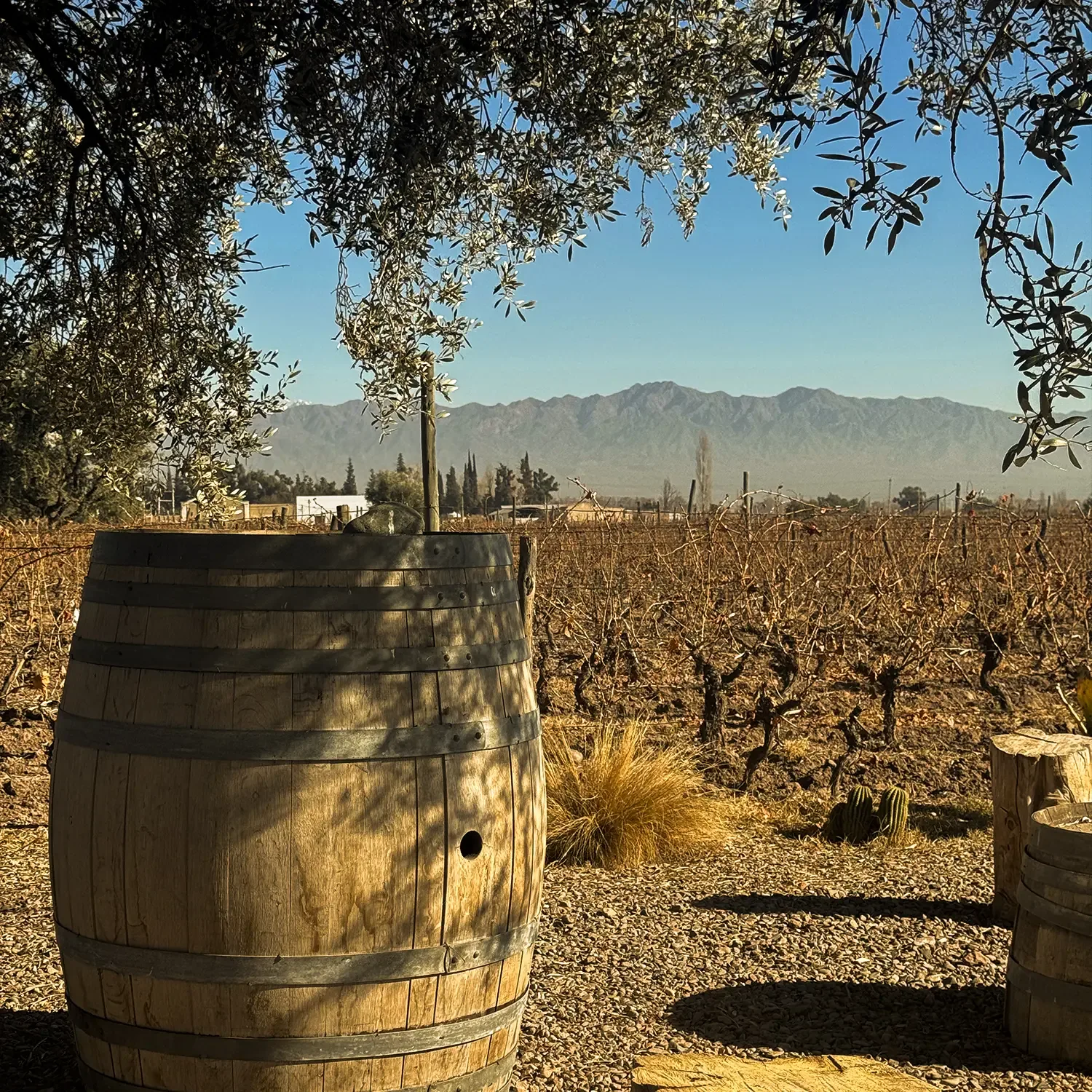
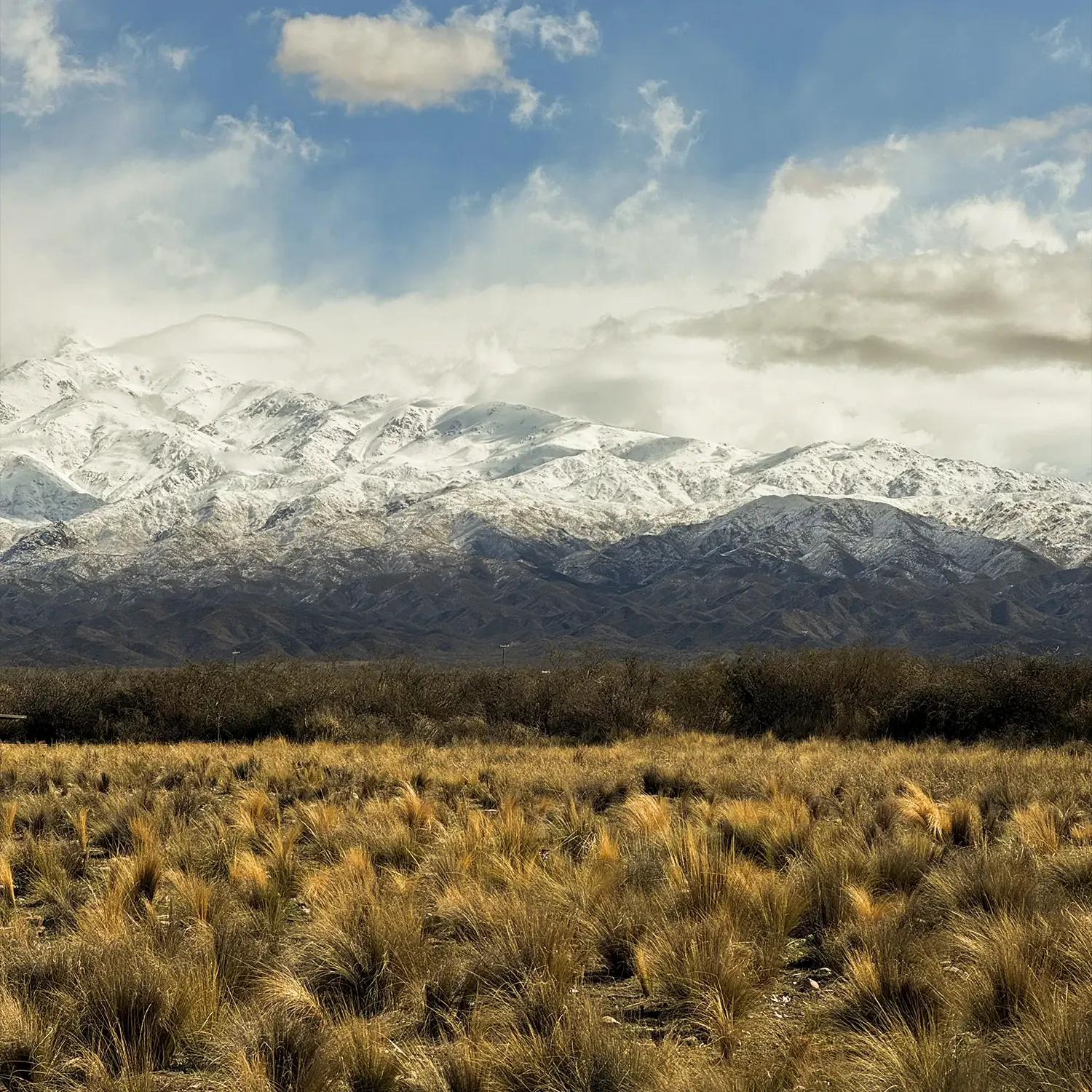
The desert climate (annual rainfall under 250mm in Gualtallary) and low humidity all but eliminate fungal pressure. That makes organic viticulture viable without chemical intervention. The grapes can hang to full ripeness with no threat of rot.
Limestone and alluvial soils
The Uco Valley also has distinctive soils: limestone in many areas (especially Paraje Altamira), alluvial with rounded stones in others (Gualtallary), clay elsewhere. They drain fast, restrain vigour and push the vine to root deeper. The resulting mineral signature is one of the most recognisable in Argentine wine.
The key sub-regions
Gualtallary (Tupungato, north)
Altitude: 1,200–1,700m. The highest, coldest zone. Stony alluvial soils with calcium carbonate present. Known for Cabernet Franc, Chardonnay and Malbec of great tension and minerality. The leading wineries include Catena Zapata (Adrianna Vineyard), Domaine Bousquet, and Alejandro Vigil's Gualtallary wines.
Central Tupungato
Altitude: 1,100–1,300m. More uniform soils and a moderately warmer climate than Gualtallary. Broader production, including large wineries such as Salentein. A good source of structured Malbec, though less extreme than Gualtallary.
Vista Flores (Tunuyán, centre)
Altitude: 1,000–1,200m. A rising zone for medium-bodied Malbec with concentrated fruit. Mostly clay soils. Andeluna is one of the best-known producers.
Paraje Altamira (San Carlos, south)
Altitude: 1,050–1,150m. Limestone soils unmatched in the Uco Valley, which produce wines with a distinctive minerality. Zuccardi is headquartered here and has been the producer most responsible for putting the zone on the map.
La Consulta (San Carlos)
Altitude: 950–1,100m. The southernmost part of the Uco Valley. Warmer than the other zones, with clay soils. Excellent for generous, fruit-driven Malbec.
Designing a day focused on altitude
Compare two zones in one day
The most informative way to understand altitude is to taste the same varietal from the same producer from two different zones on the same day. Catena Zapata, Zuccardi and other large producers offer this kind of comparative tasting — it's often the most educational moment of the trip.
Don't skip the whites
The Uco Valley produces some of the most interesting Chardonnay and Sauvignon Blanc in Argentina, particularly from Gualtallary. If your trip focuses only on Malbec, you're missing half of what altitude can do.
Build it around lunch
The distances between Gualtallary (north) and Paraje Altamira (south) are long. Book a winery lunch located between the two points to make the day logistically workable. See our private Uco Valley tour page for more detail.
FAQ
Is the extra journey to the Uco Valley worth it?
For serious wine visitors, absolutely yes. The distances are long (1h30 to 2h from Mendoza), but the wines you taste there are substantially different from those of Luján de Cuyo or Maipú. If you have three days or more, giving one full day to the Uco Valley is the right investment.
Is altitude something you actually "feel" in the glass?
Yes, with practice. High-altitude wines tend to have livelier acidity, finer but more numerous tannins, deeper colour and a more marked herbal-floral aromatic. Tasted side by side with lower-altitude wines from the same producer, the differences are clear.
Does Mendoza have vineyards higher than the Uco Valley?
Yes, but few. The north of the country (Salta) has vineyards at 2,000–3,000 metres. Mendoza has individual parcels in the Uco Valley above 1,700 metres, but the Uco Valley as a region runs around 1,000–1,500 metres.
If you'd like us to design a private Uco Valley day that shows the differences between Gualtallary and Paraje Altamira through comparative tastings, get in touch on WhatsApp.
Related tourUco Valley tourTaste the difference between the valley's sub-regions at 1,000–1,700m›More questions? Take a look at our FAQ with 25 common questions about tours, pricing, logistics and the High Mountain excursion.
Written by
Vito Wine Tours
Private wine experiences in Mendoza. We design and run tailor-made days at boutique wineries in Lujan de Cuyo, Maipu and the Uco Valley.
Want to live it?
Taste high-altitude wines in the Uco Valley
Personal guidance · Confirmed bookings · Private experiences