Dark mode

Home › Blog › ">→ Wine tourism

Wine travel

Wine tourism in Mendoza: what it is and how to live it

Private experiences in the most select vineyards
Updated May 2026 · Vito Wine Tours · July 2024 · 4 min read

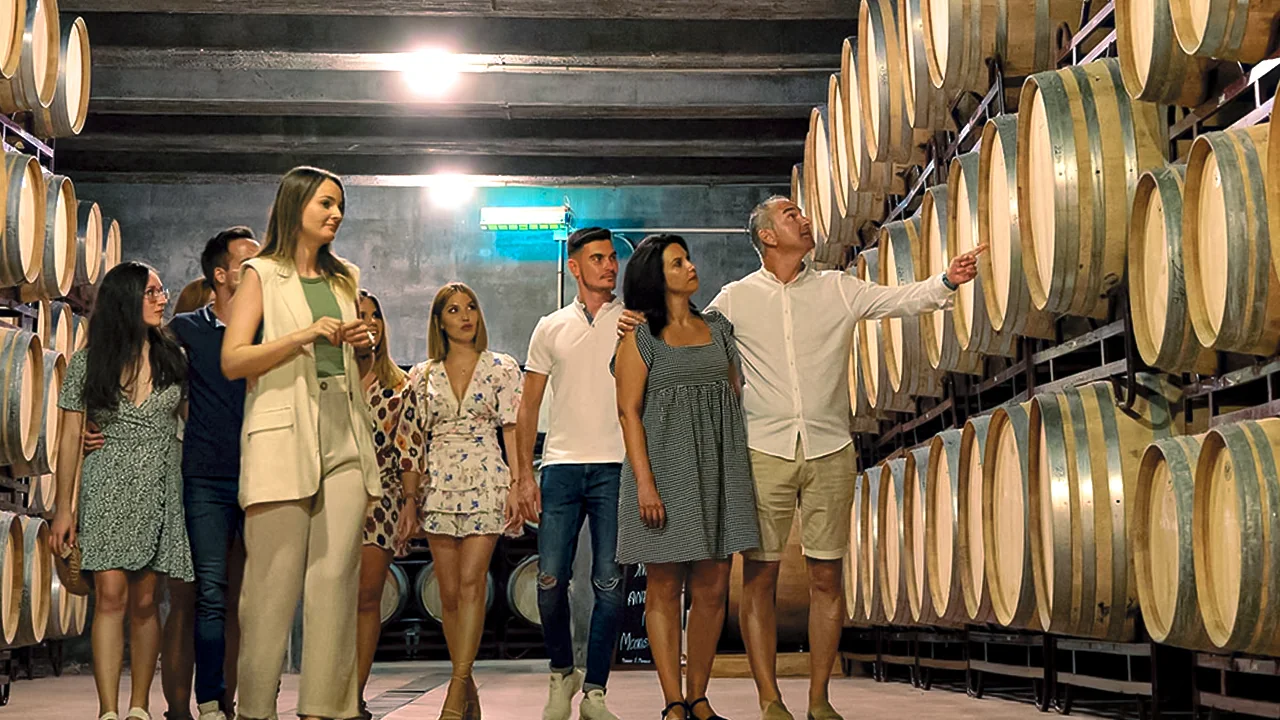
Private winery tour in Maipú, Mendoza

Wine tourism in Mendoza isn't just visiting wineries. It's understanding a whole culture built around wine: how it's harvested, how it's made, how it's lived.

If you're planning your trip, discover our private winery tours in Mendoza — or explore our fine wine experiences.

Mendoza is one of the world's twelve Great Wine Capitals , alongside Bordeaux, Napa Valley, La Rioja, Mainz, Cape Town, Verona, Adelaide and Bilbao. That distinction is no accident: the region combines privileged geography, a winemaking tradition of more than 400 years and an internationally recognised level of culinary excellence.

In this guide you'll find everything about wine tourism in Mendoza: what makes it special, how to plan it, what kinds of experience exist and why more and more travellers choose it as a destination in its own right.

What exactly is wine tourism?

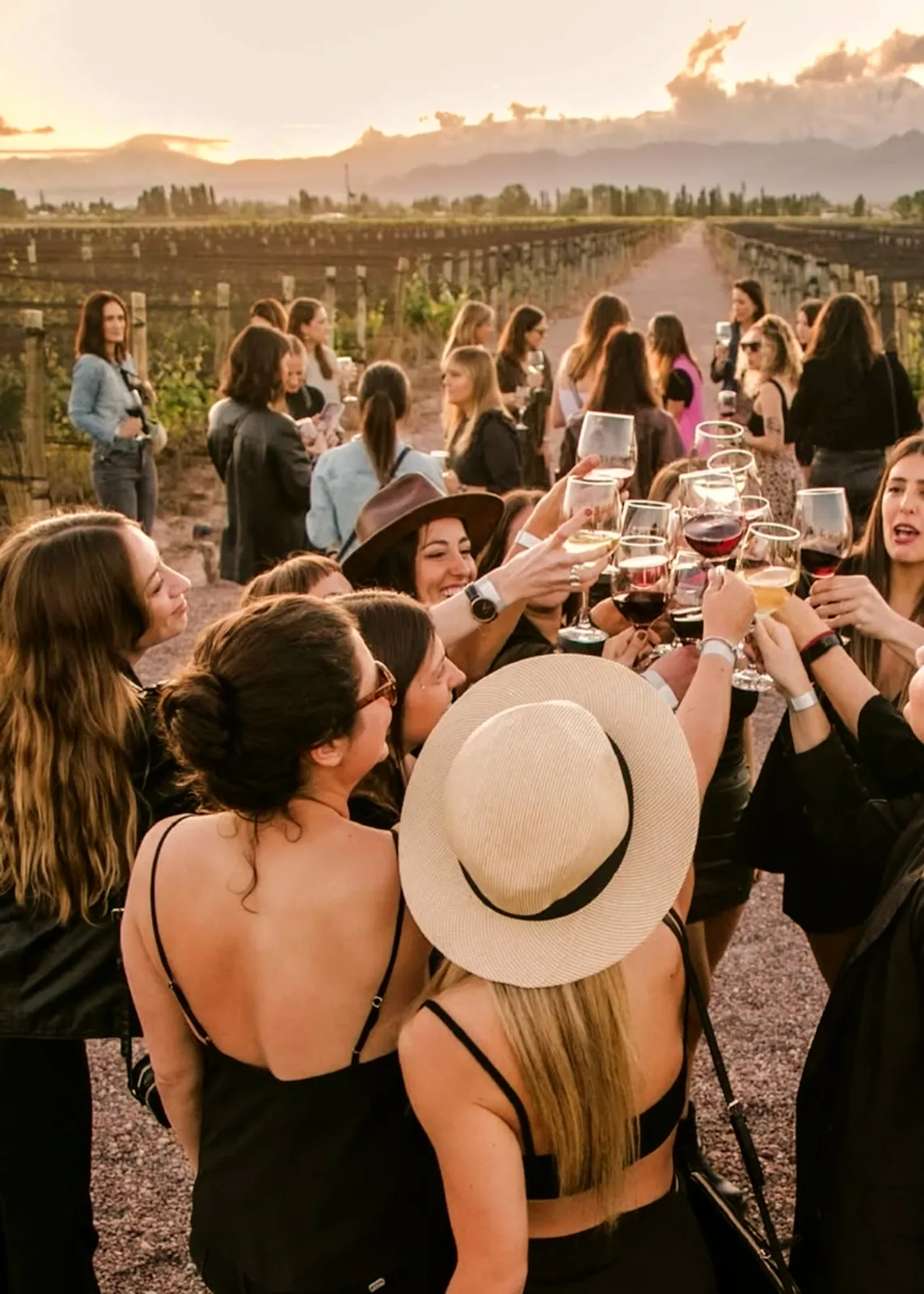
Wine tourism is travel centred on the world of wine. It includes winery visits, tastings, vineyard tours, paired dining, tasting workshops, winemaking experiences (such as the blending experience) and everything related to a region's wine culture.

In Mendoza, wine tourism has grown strongly over the past 25 years, as wineries began opening their doors to the public and investing in architecture, food and experiences. Today it's one of the province's main economic engines.

Why Mendoza is special

1. The unique terroir

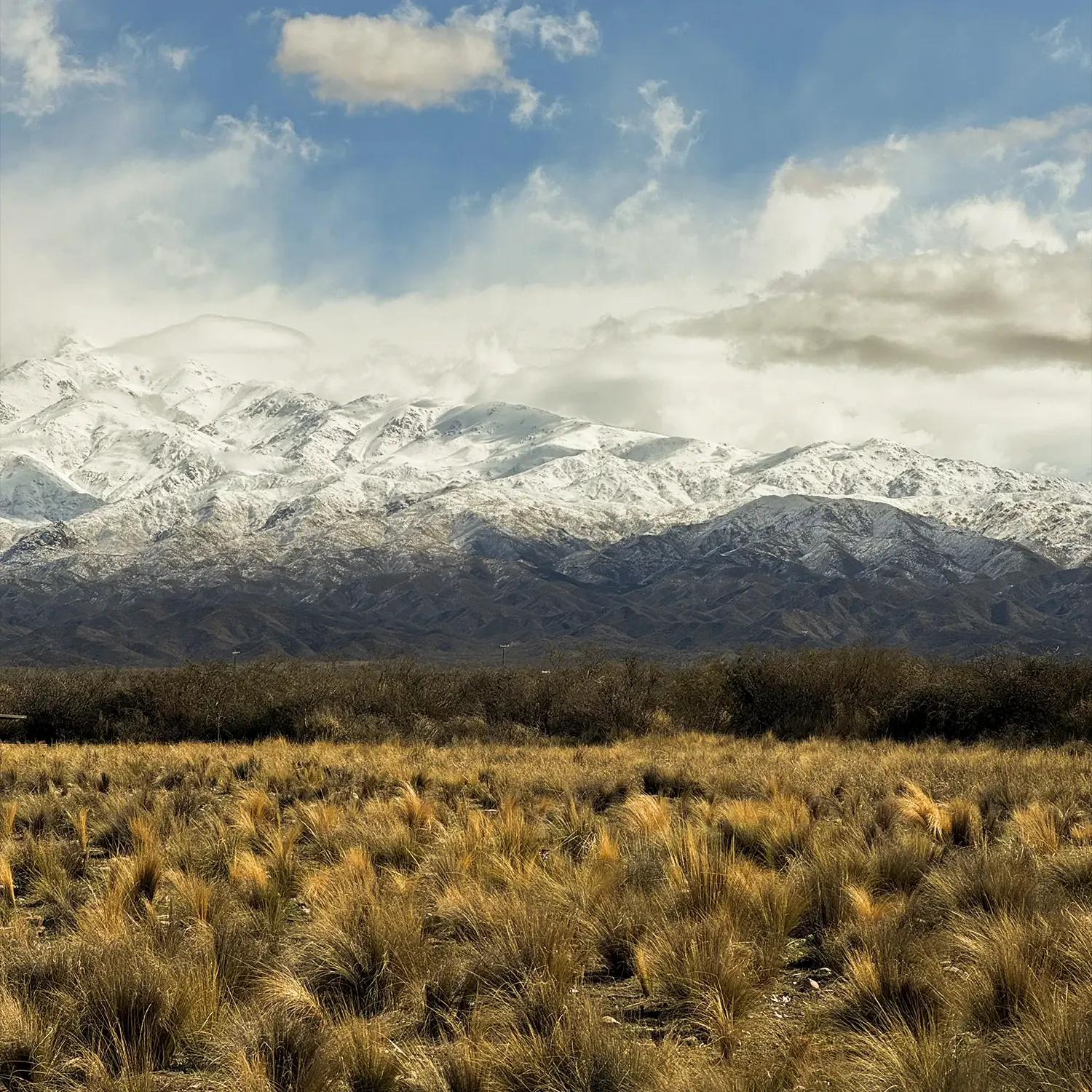
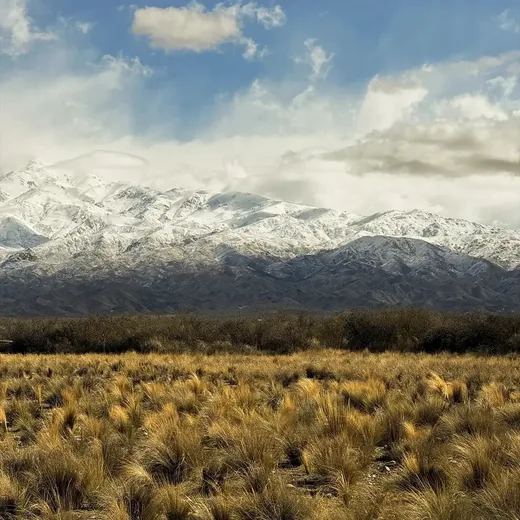
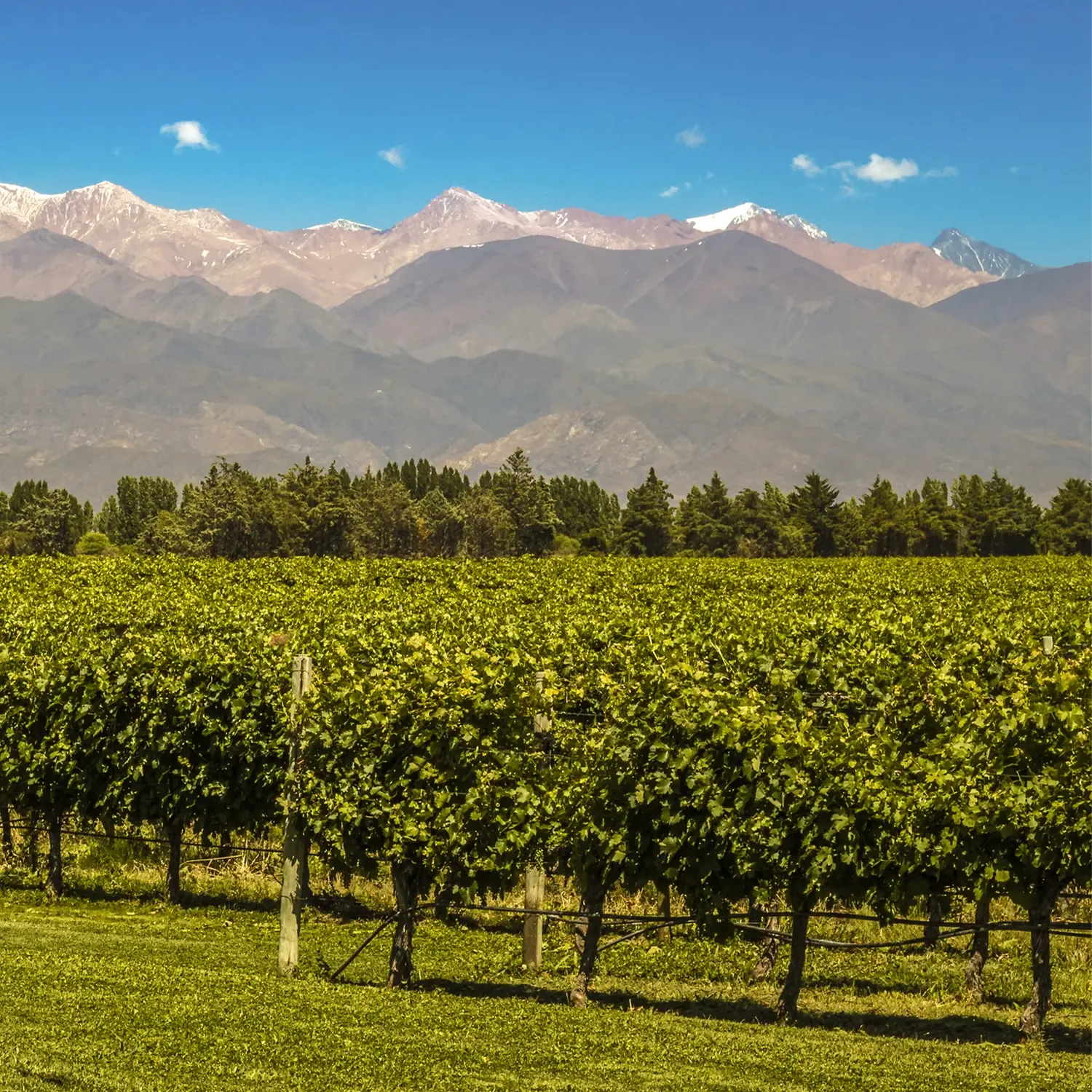
Mendoza's altitudes range from 600 to 1,500 metres above sea level. The temperature swing between day and night is what gives Mendoza grapes their unique concentration of aromas and tannins. The Andes act as a protective wall against the Pacific, creating a dry climate perfect for the vine.

2. The diversity of regions

Mendoza isn't a single terroir. It has three wine regions with very different personalities:

  • Luján de Cuyo: the cradle of fine Malbec, with historic and boutique wineries.
  • Maipú: the most traditional area, with century-old wineries and classic wines.
  • Uco Valley: the frontier of modern wine, with high-altitude wineries and cutting-edge design.

To understand the differences in depth, we recommend our guide to Mendoza's wine regions.

3. The world-class quality of Malbec

Mendoza Malbec has become an international benchmark. Although the grape comes from France (the Cahors region), it found in Mendoza perfect conditions to express itself at full power. Mendoza's fine labels are among the most awarded in the world.

4. Chef-driven cuisine

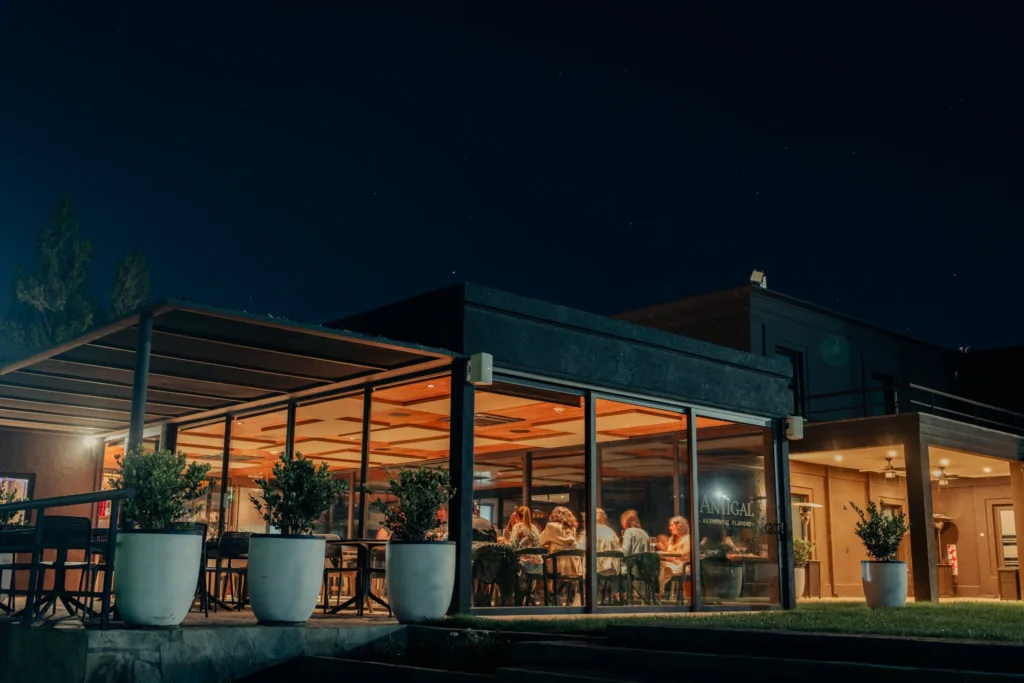
Mendoza's wineries have restaurants with chefs trained at the best international schools. Casa Vigil, La Vendimia (Renacer), Riccitelli Bistró, Ruca Malén and many others are food destinations in their own right. The fusion of contemporary Argentine cooking with Mendoza wine pairings is a unique experience.

5. The landscapes

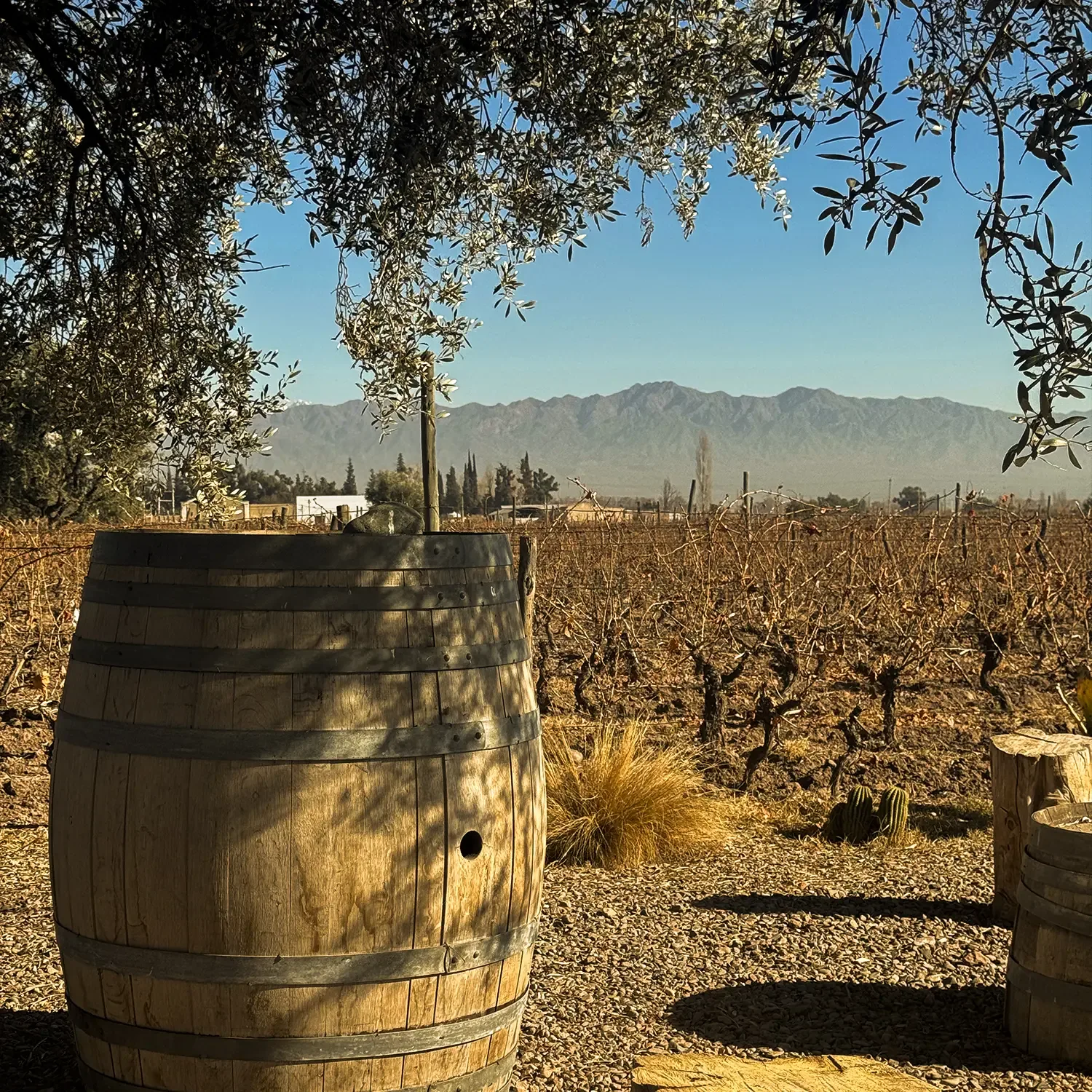
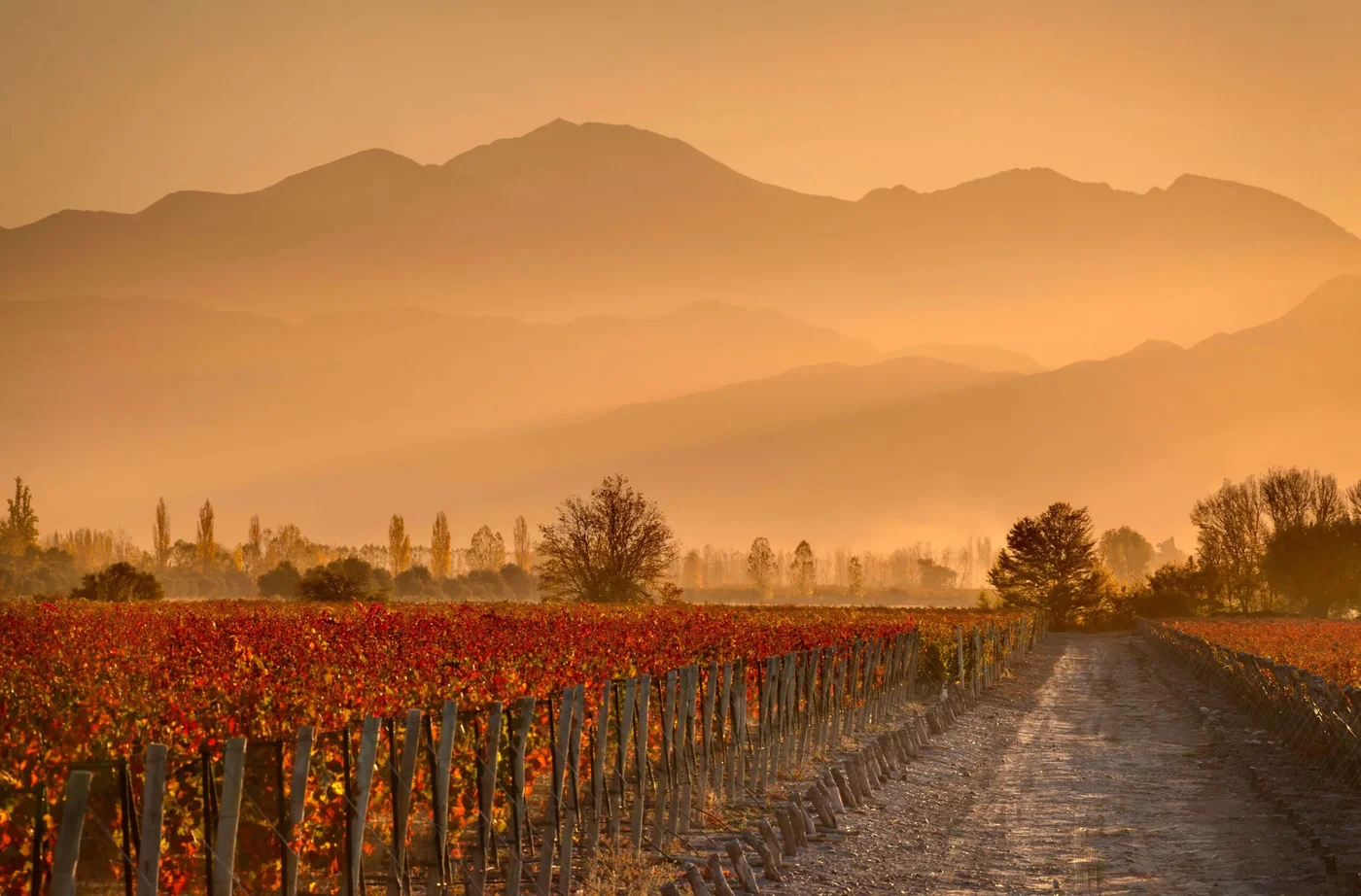
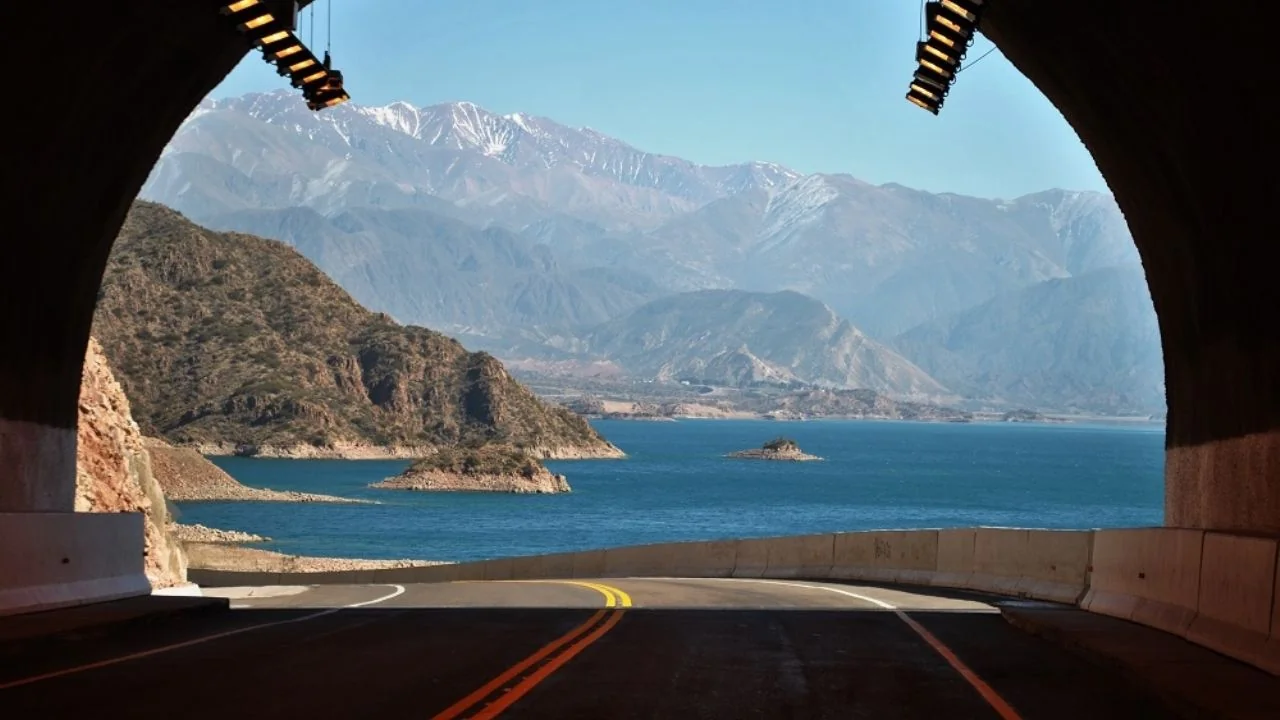
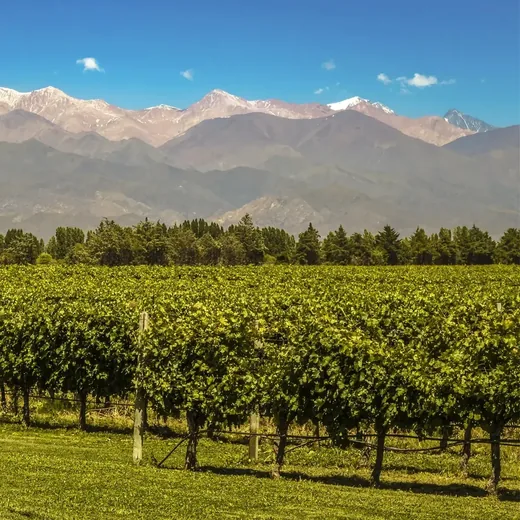
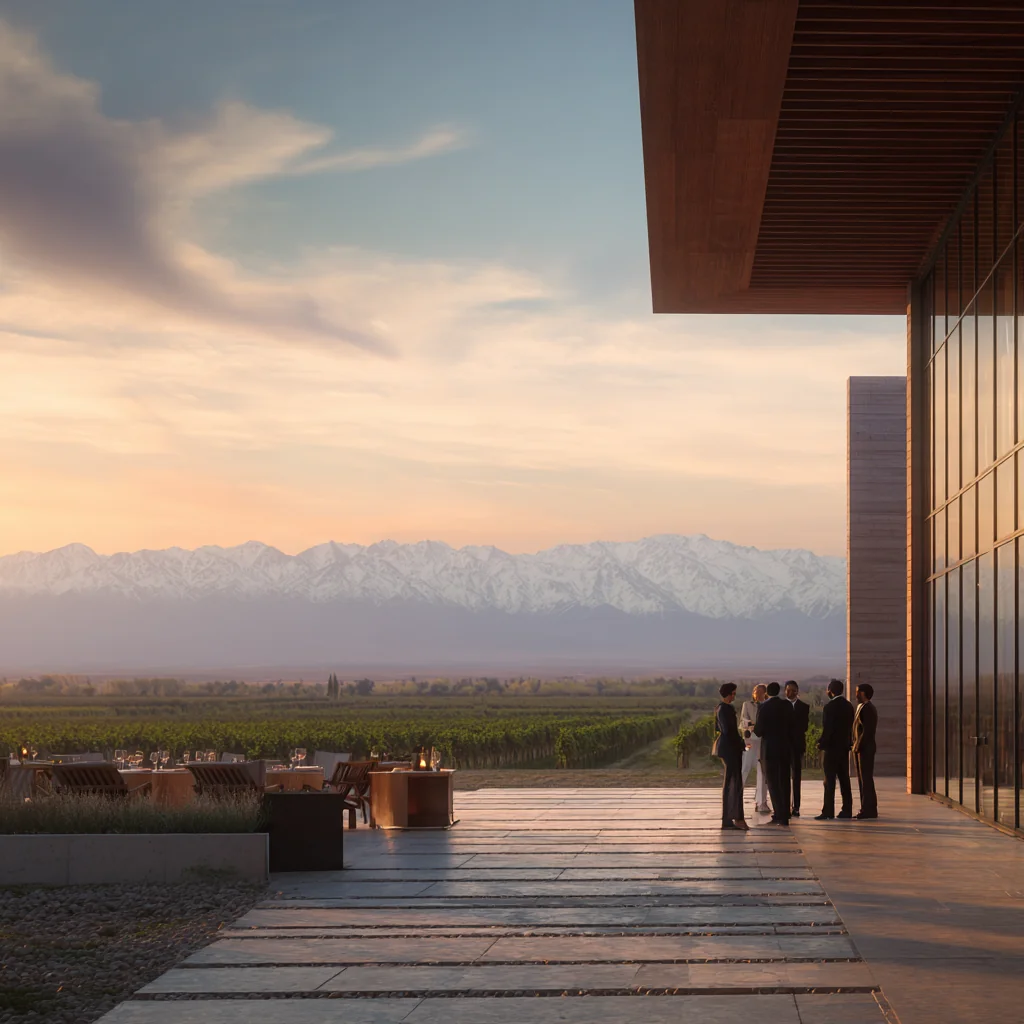
Few places in the world let you visit wineries with views of the Andes. The combination of vineyards, snow-capped mountains and contemporary architecture makes wine tourism in Mendoza visually stunning.

Types of wine-tourism experience

Classic visit and tasting

The basic plan: a winery tour (production hall, ageing cellar, vineyard) followed by a tasting of 3 to 5 wines. It lasts 1 to 2 hours. Ideal as a first introduction.

Paired lunch

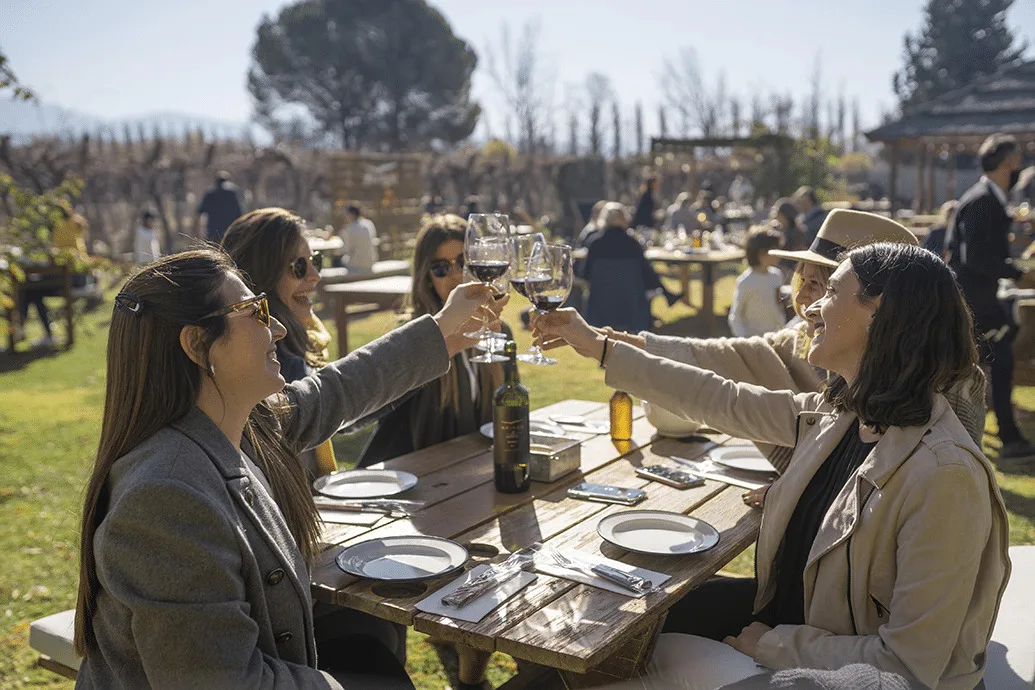
The Mendoza classic. A 4 to 6-course lunch at a winery restaurant, each dish paired with a different wine. It lasts 2 to 3 hours. It's the experience most requested by international travellers.

Blending experience

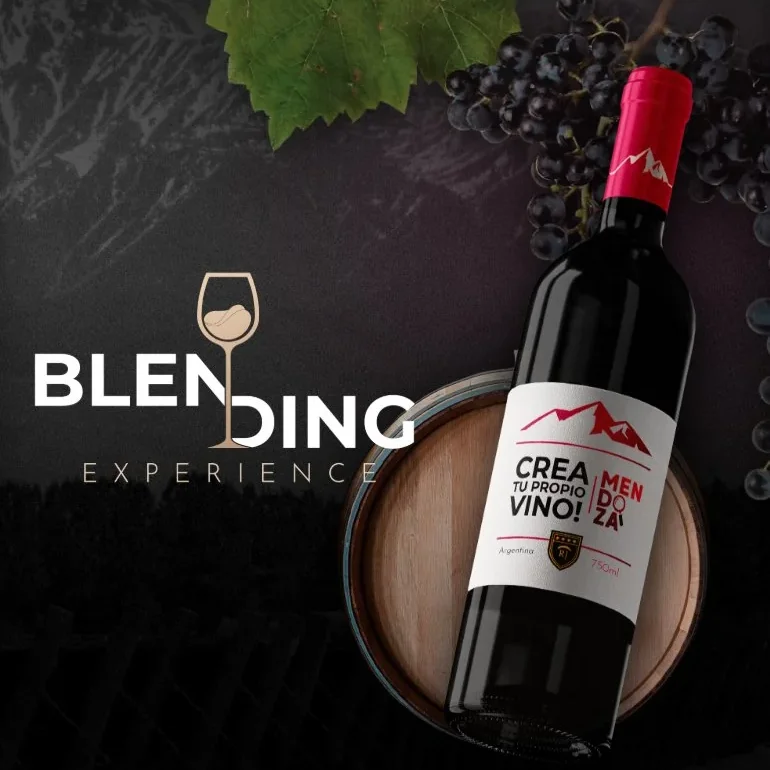
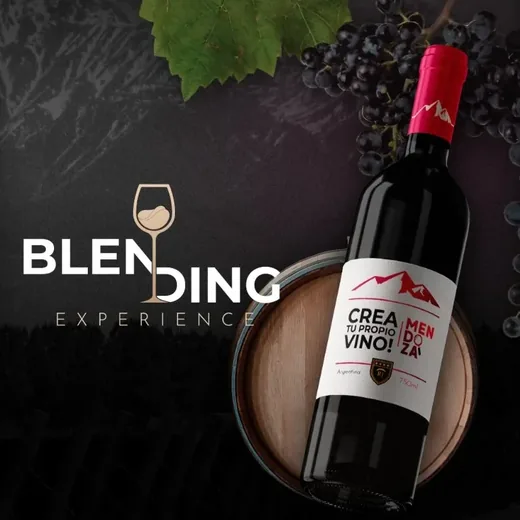
Creating your own wine with a winemaker. You learn to blend different varietals (Malbec, Cabernet, Merlot, Petit Verdot) and take home a personalised bottle. It lasts about 3 hours. We cover it in detail on the Blending Experience page.

Cooking class

Learning to make Argentine asado and Mendoza empanadas with a local chef, at a winery. The perfect combination of food and wine.

Horseback riding among the vineyards

Some wineries offer sunset horseback rides through their vineyards, ending with a tasting. An experience that combines sport with wine tourism.

Visiting by bike

Especially popular in Maipú, where the distances between wineries are short. Cycling through the vineyards is a different way to experience wine tourism.

How to plan a wine-tourism trip

Golden rule: Don't mix regions on the same day. Each wine region deserves its own day to be enjoyed at an unhurried pace.

How many days to set aside

  • Short stopover (1 to 2 days): one main area (Luján or Maipú) plus a city tour.
  • Standard trip (3 to 4 days): the three wine regions plus a day for the High Mountain excursion.
  • Complete trip (5 to 7 days): wineries, mountains, food and special experiences such as the blending experience or a cooking class.

When to travel

The Harvest (February to March) is the most vibrant time: harvest in full swing, cultural events and the Fiesta Nacional de la Vendimia. Autumn (April to May) is for many the best time: vineyards in reds and golds, perfect temperatures and fewer tourists.

Reservations

Every winery requires advance booking. For the most iconic (Catena Zapata, Salentein, Susana Balbo) you need to book 2 to 3 months ahead in high season. If you arrange a winery tour through an agency, they handle the bookings.

The role of the guide and the driver

The factor that most sets good wine tourism apart is the quality of the guide. A good guide doesn't just drive you from winery to winery: they tell stories, give context, help you understand what you're drinking and take you to wineries that don't appear in the guidebooks. The difference between a mass group tour and a private tour with a specialist guide is enormous.

Must-try wines

If you come to Mendoza, try at least these styles:

  • Young Maipú Malbec: to understand the Mendoza classic.
  • High-altitude Uco Valley Malbec: to feel the difference terroir makes.
  • Uco Valley Cabernet Franc: the fashionable grape of recent years.
  • An iconic blend (such as Catena Zapata Estiba Reservada or Viña Cobos Bramare).
  • High-altitude white wine: Uco Valley Chardonnay and Sauvignon Blanc are surprising.

To go deeper, we recommend reading about Mendoza's fine wines y the most representative grape varieties.

Key wine-tourism events

  • Harvest (February to March): the most important celebration. Winery events, concerts, the national festival.
  • Caminos del Vino: visits intensify between March and May.
  • Wine&Wave (October): a festival of Mendoza wines with boutique wineries.
  • Mendoza Wine Marathon (March): running through the vineyards.

FAQ

Do I need to know about wine to go wine touring?

Not at all. Guides and sommeliers are trained to accompany travellers of any level. If you're a beginner, you'll learn a lot. If you're an expert, there'll be technical detail for you.

How much does wine tourism in Mendoza cost?

The range is very wide. Visits with a tasting are the most affordable options. Paired lunches are a complete dining experience. A private all-inclusive tour with a driver and bilingual guide is the premium option. VIP experiences at iconic wineries (Catena Zapata, Salentein, Vines of Mendoza) are the biggest investment. Contact us for a personalised quote for your plan.

Which area is best to start with?

If you've never been to Mendoza, we recommend starting with Luján de Cuyo: it has the widest range of options and is the area most developed for wine tourism.

If you'd like to organise your wine trip to Mendoza with a team that knows every winery and every winemaker, message us on WhatsApp. We build personalised itineraries and know the corners that don't appear in the guidebooks.

Related experienceBlending ExperiencePair your Malbec with a winemaker›

More questions? Take a look at our FAQ with 25 common questions about tours, pricing, logistics and the High Mountain excursion.

V

Written by

Vito Wine Tours

Founder and head concierge at Vito Wine Tours. More than 15 years curating private experiences at boutique wineries in Luján de Cuyo, Maipú and the Uco Valley.

Want to live it?

Plan your wine-tourism experience

Private tours · Private tastings · Personal attention

Ask on WhatsApp
Private winery tour in Maipú, Mendoza

Wine travel

Wine tourism in Mendoza: what it is and how to live it

Private experiences in the most select vineyards

Wine tourism in Mendoza isn't just visiting wineries. It's understanding a whole culture built around wine: how it's harvested, how it's made, how it's lived.

If you're planning your trip, discover our private winery tours in Mendoza — or explore our fine wine experiences.

Mendoza is one of the world's twelve Great Wine Capitals , alongside Bordeaux, Napa Valley, La Rioja, Mainz, Cape Town, Verona, Adelaide and Bilbao. That distinction is no accident: the region combines privileged geography, a winemaking tradition of more than 400 years and an internationally recognised level of culinary excellence.

In this guide you'll find everything about wine tourism in Mendoza: what makes it special, how to plan it, what kinds of experience exist and why more and more travellers choose it as a destination in its own right.

What exactly is wine tourism?

Wine tourism is travel centred on the world of wine. It includes winery visits, tastings, vineyard tours, paired dining, tasting workshops, winemaking experiences (such as the blending experience) and everything related to a region's wine culture.

In Mendoza, wine tourism has grown strongly over the past 25 years, as wineries began opening their doors to the public and investing in architecture, food and experiences. Today it's one of the province's main economic engines.

Why Mendoza is special

1. The unique terroir

Mendoza's altitudes range from 600 to 1,500 metres above sea level. The temperature swing between day and night is what gives Mendoza grapes their unique concentration of aromas and tannins. The Andes act as a protective wall against the Pacific, creating a dry climate perfect for the vine.

2. The diversity of regions

Mendoza isn't a single terroir. It has three wine regions with very different personalities:

  • Luján de Cuyo: the cradle of fine Malbec, with historic and boutique wineries.
  • Maipú: the most traditional area, with century-old wineries and classic wines.
  • Uco Valley: the frontier of modern wine, with high-altitude wineries and cutting-edge design.

To understand the differences in depth, we recommend our guide to Mendoza's wine regions.

3. The world-class quality of Malbec

Mendoza Malbec has become an international benchmark. Although the grape comes from France (the Cahors region), it found in Mendoza perfect conditions to express itself at full power. Mendoza's fine labels are among the most awarded in the world.

4. Chef-driven cuisine

Mendoza's wineries have restaurants with chefs trained at the best international schools. Casa Vigil, La Vendimia (Renacer), Riccitelli Bistró, Ruca Malén and many others are food destinations in their own right. The fusion of contemporary Argentine cooking with Mendoza wine pairings is a unique experience.

5. The landscapes

Few places in the world let you visit wineries with views of the Andes. The combination of vineyards, snow-capped mountains and contemporary architecture makes wine tourism in Mendoza visually stunning.

Types of wine-tourism experience

Classic visit and tasting

The basic plan: a winery tour (production hall, ageing cellar, vineyard) followed by a tasting of 3 to 5 wines. It lasts 1 to 2 hours. Ideal as a first introduction.

Paired lunch

The Mendoza classic. A 4 to 6-course lunch at a winery restaurant, each dish paired with a different wine. It lasts 2 to 3 hours. It's the experience most requested by international travellers.

Blending experience

Creating your own wine with a winemaker. You learn to blend different varietals (Malbec, Cabernet, Merlot, Petit Verdot) and take home a personalised bottle. It lasts about 3 hours. We cover it in detail on the Blending Experience page.

Cooking class

Learning to make Argentine asado and Mendoza empanadas with a local chef, at a winery. The perfect combination of food and wine.

Horseback riding among the vineyards

Some wineries offer sunset horseback rides through their vineyards, ending with a tasting. An experience that combines sport with wine tourism.

Visiting by bike

Especially popular in Maipú, where the distances between wineries are short. Cycling through the vineyards is a different way to experience wine tourism.

How to plan a wine-tourism trip

Golden rule: Don't mix regions on the same day. Each wine region deserves its own day to be enjoyed at an unhurried pace.

How many days to set aside

  • Short stopover (1 to 2 days): one main area (Luján or Maipú) plus a city tour.
  • Standard trip (3 to 4 days): the three wine regions plus a day for the High Mountain excursion.
  • Complete trip (5 to 7 days): wineries, mountains, food and special experiences such as the blending experience or a cooking class.

When to travel

The Harvest (February to March) is the most vibrant time: harvest in full swing, cultural events and the Fiesta Nacional de la Vendimia. Autumn (April to May) is for many the best time: vineyards in reds and golds, perfect temperatures and fewer tourists.

Reservations

Every winery requires advance booking. For the most iconic (Catena Zapata, Salentein, Susana Balbo) you need to book 2 to 3 months ahead in high season. If you arrange a winery tour through an agency, they handle the bookings.

The role of the guide and the driver

The factor that most sets good wine tourism apart is the quality of the guide. A good guide doesn't just drive you from winery to winery: they tell stories, give context, help you understand what you're drinking and take you to wineries that don't appear in the guidebooks. The difference between a mass group tour and a private tour with a specialist guide is enormous.

Must-try wines

If you come to Mendoza, try at least these styles:

  • Young Maipú Malbec: to understand the Mendoza classic.
  • High-altitude Uco Valley Malbec: to feel the difference terroir makes.
  • Uco Valley Cabernet Franc: the fashionable grape of recent years.
  • An iconic blend (such as Catena Zapata Estiba Reservada or Viña Cobos Bramare).
  • High-altitude white wine: Uco Valley Chardonnay and Sauvignon Blanc are surprising.

To go deeper, we recommend reading about Mendoza's fine wines y the most representative grape varieties.

Key wine-tourism events

  • Harvest (February to March): the most important celebration. Winery events, concerts, the national festival.
  • Caminos del Vino: visits intensify between March and May.
  • Wine&Wave (October): a festival of Mendoza wines with boutique wineries.
  • Mendoza Wine Marathon (March): running through the vineyards.

FAQ

Do I need to know about wine to go wine touring?

Not at all. Guides and sommeliers are trained to accompany travellers of any level. If you're a beginner, you'll learn a lot. If you're an expert, there'll be technical detail for you.

How much does wine tourism in Mendoza cost?

The range is very wide. Visits with a tasting are the most affordable options. Paired lunches are a complete dining experience. A private all-inclusive tour with a driver and bilingual guide is the premium option. VIP experiences at iconic wineries (Catena Zapata, Salentein, Vines of Mendoza) are the biggest investment. Contact us for a personalised quote for your plan.

Which area is best to start with?

If you've never been to Mendoza, we recommend starting with Luján de Cuyo: it has the widest range of options and is the area most developed for wine tourism.

If you'd like to organise your wine trip to Mendoza with a team that knows every winery and every winemaker, message us on WhatsApp. We build personalised itineraries and know the corners that don't appear in the guidebooks.

More questions? Take a look at our FAQ with 25 common questions about tours, pricing, logistics and the High Mountain excursion.

Plan your wine-tourism experience

Private tours · Private tastings · Personal attention
Vito Wine Tours

Private winery tours in Mendoza.

+54 9 261 699-7101vitowinetours@gmail.com