Home › Blog › ">→ Travel guide
Travel guide
Discover Luján de Cuyo, Maipú and the Uco Valley
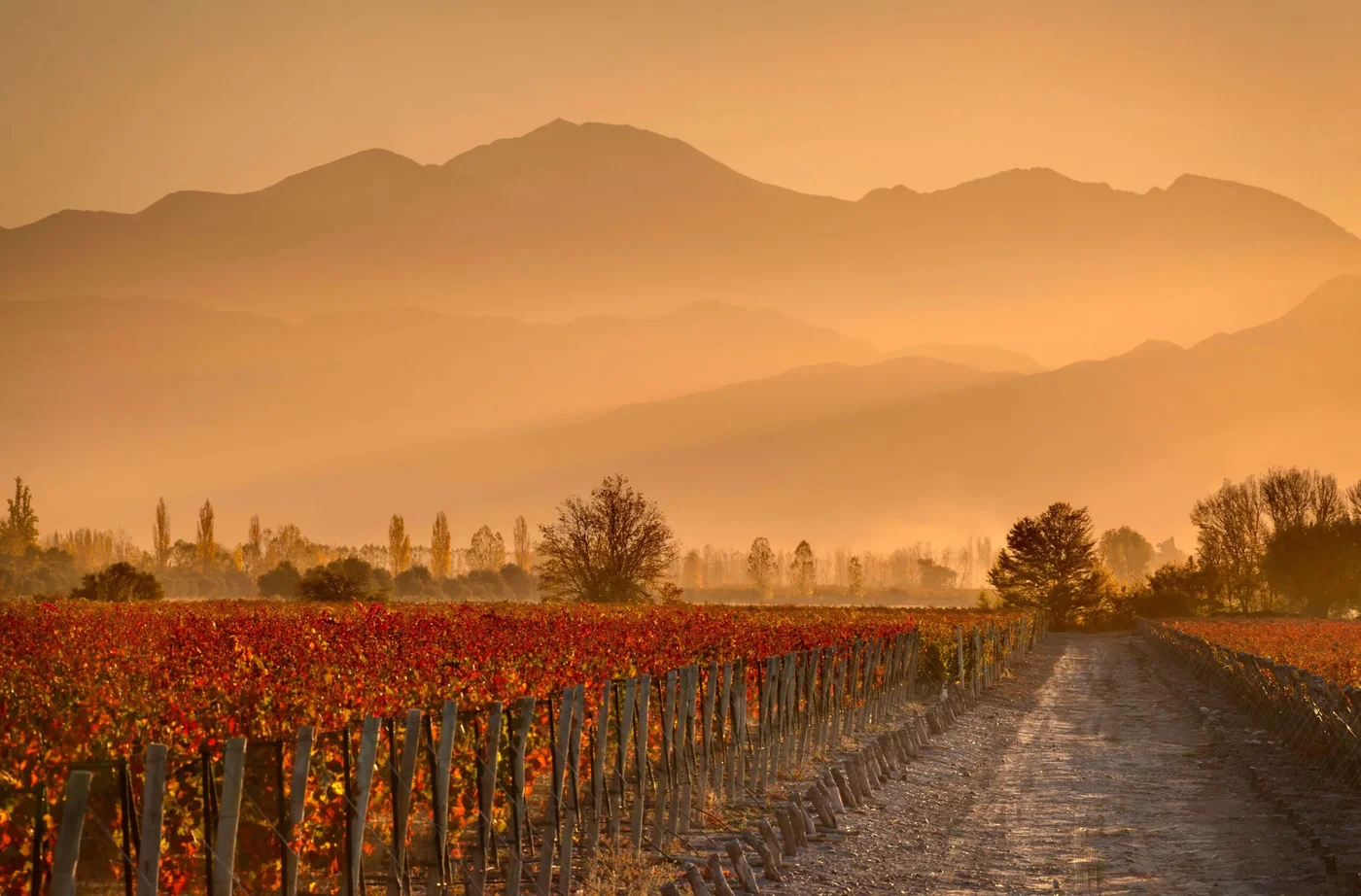
Mendoza's Wine Route isn't a single road: it's several routes running through the province's wine regions. Knowing which to choose and how to travel it is the difference between a memorable trip and a rushed one.
If you're planning your trip, discover our private winery tours in Mendoza — or explore our fine wine experiences.
In this guide we'll go through the different wine routes Mendoza offers, which wineries each one includes, when it's best to visit them and how to combine them with other experiences for a complete trip.
What is the Wine Route?
Mendoza's Wine Route is a system of tourist circuits connecting the wineries open to the public across the different wine regions. It was created in 1997 as an initiative to drive wine tourism and today it's one of the province's main attractions.
It isn't a single road like the French Champagne Route: in Mendoza we're talking about three main routes, one for each wine region. We'll look at them one by one below, with their wineries, distances and wine styles.
The three main routes
1. The Maipú Wine Route
The most traditional. It runs through the century-old wineries of eastern Mendoza, the first to produce wine on an industrial scale. Ideal for anyone who values winemaking history and classic wines.
- Distance from downtown Mendoza: 25 to 30 minutes
- Type of wineries: traditional, century-old, some family-run
- Wine style: classic Malbec, Bonarda, traditional blends
- Standout wineries: López (1898), Trapiche, Familia Zuccardi, Norton, Rutini, Tempus Alba
For the full day in this area, you'll find all the details on the Maipú winery tour page.
2. The Luján de Cuyo Wine Route
The fine Malbec route. It covers the "First Zone" of Argentine Malbec, with world-class boutique wineries and restaurants with chef-driven cooking. You can also review the varieties of Mendoza wine.
- Distance from downtown Mendoza: 30 to 40 minutes
- Type of wineries: boutique, premium, some historic
- Wine style: fine Malbec, Cabernet Franc, fine blends
- Standout wineries: Catena Zapata, Viña Cobos, Achaval Ferrer, Susana Balbo, Casa Vigil, Luigi Bosca
If you'd like to explore this route, all the details are on the private Luján de Cuyo tour page.
3. The Uco Valley Wine Route
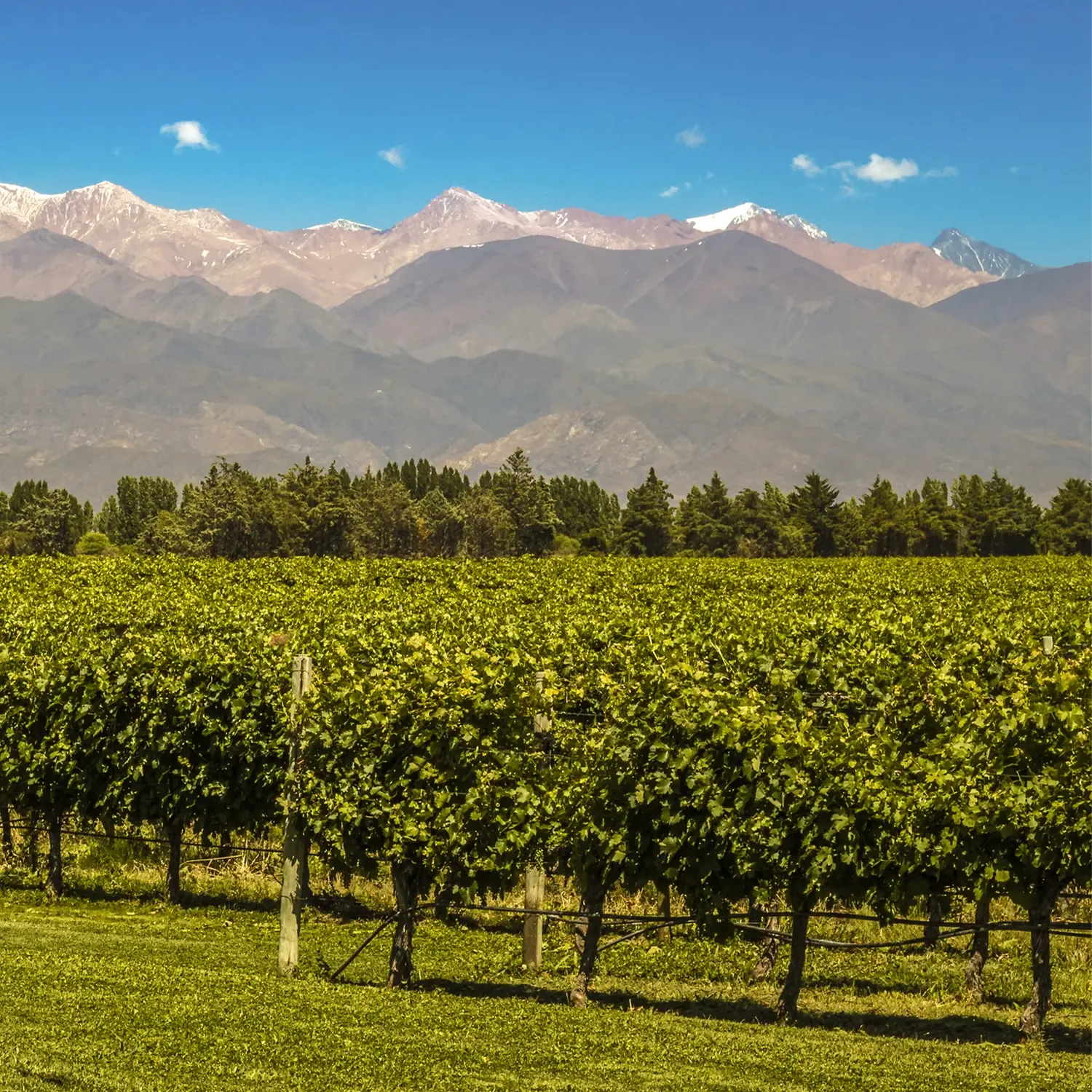
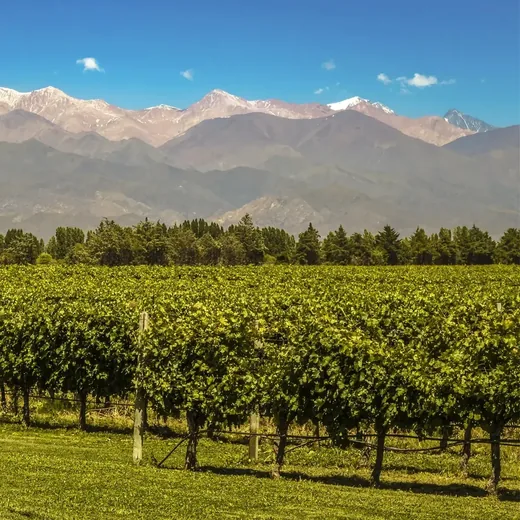
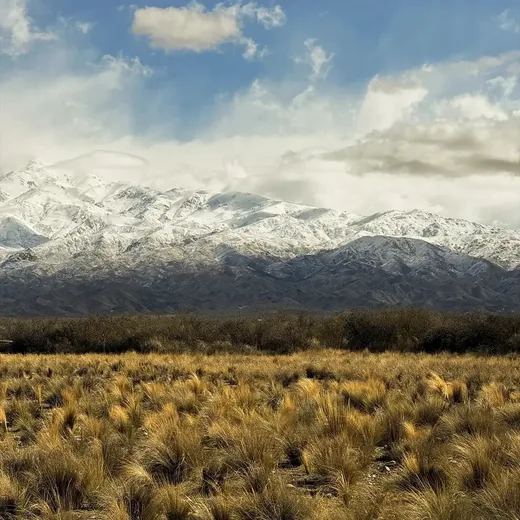
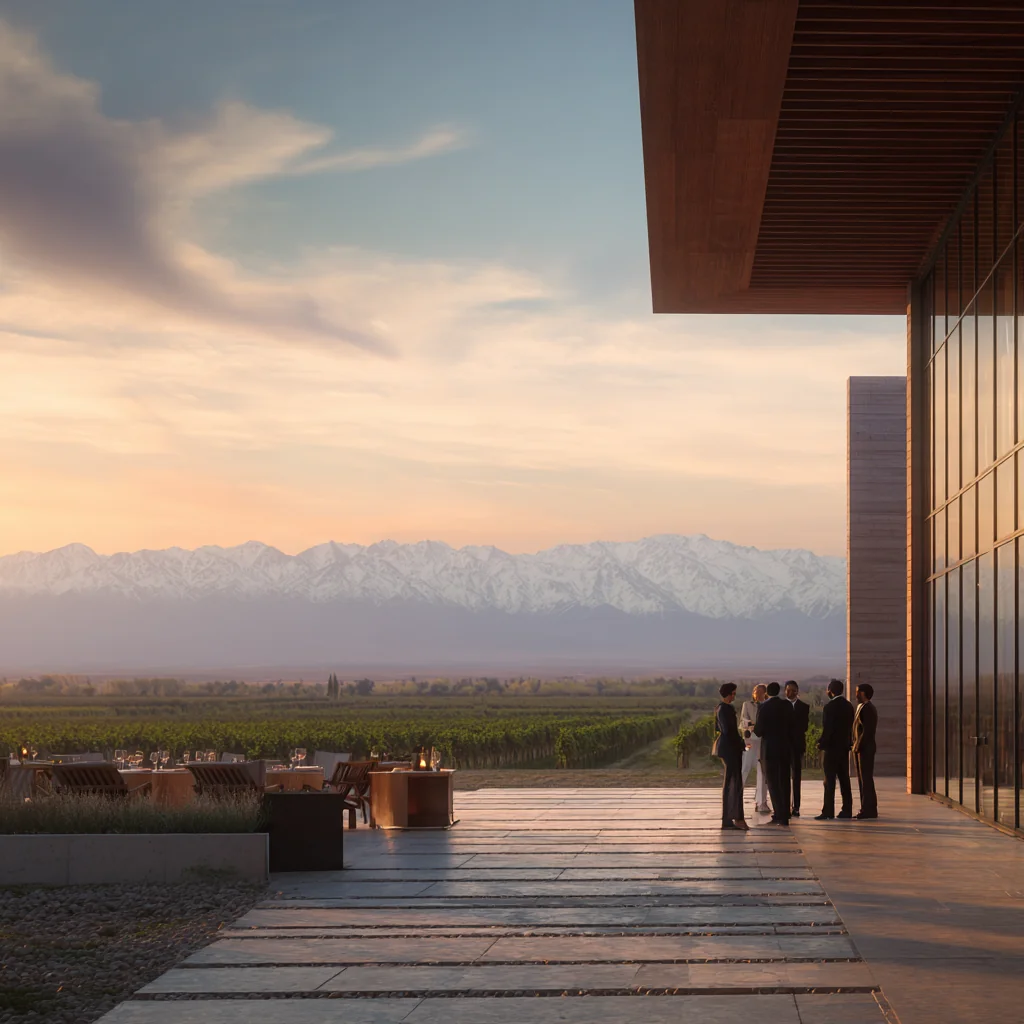
The most modern and spectacular route. It runs through high-altitude wineries with contemporary architecture and cutting-edge wines. The scenery is stunning: vineyards at 1,000 to 1,500 metres with the Andes behind them.
- Distance from downtown Mendoza: 1h30 to 2h
- Type of wineries: modern boutique wineries, architecturally impressive
- Wine style: high-altitude Malbec, Cabernet Franc, Chardonnay, biodynamic blends
- Standout wineries: Salentein, Andeluna, Domaine Bousquet, La Azul, Bodegas Bianchi, SuperUco
To organise your perfect day in this area, see the private Uco Valley tour page.
Other themed routes
The Olive Route
Mendoza also produces excellent extra virgin olive oil. Some olive mills can be combined with winery visits in Maipú: Pasrai, Laur, Olivos del Sol. It's a perfect complementary experience for food lovers.
The Harvest Route
Between February and March, several wineries open their doors for harvest experiences: picking grapes, taking part in the winemaking, watching the press. It's the most vibrant time for wine tourism. The Fiesta Nacional de la Vendimia in March is the most important tourism event of the year.
The Craft Beer Route
For anyone looking for alternatives to wine, Mendoza has a growing craft brewery scene. Lecker, Antares and Beerbarian are local references.
How to travel the Wine Route
Option 1: Your own or a rental car
NOT recommended. Argentina has zero tolerance for alcohol at the wheel. The fines are high and checks are frequent. On top of that, without a guide you'll miss much of what each winery has to offer.
Option 2: Group tour by minibus
Cheap but limited. You travel with 12 to 20 people on fixed timings, with no room to personalise. The experience is more superficial and feels "touristy".
Option 3: By bike
Only advisable in Maipú, where the distances between wineries are short. It's a fun experience but limited in kilometres and tastings (because you have to be able to pedal back).
Option 4: Private tour with driver and guide
The recommended option for anyone who wants to make the most of it. Our private tours let you build the itinerary to measure, visit wineries that don't appear on the standard circuits and have personal attention all day. For groups of 2 to 6 people, the cost per person is similar to a group tour but the experience is far better.
When to travel the route
Harvest (February to March)
The most vibrant time. Harvest under way, events at the wineries, the Fiesta Nacional de la Vendimia. There's more tourism and prices rise. Book 2 to 3 months ahead.
Autumn (April to May)
For many, the best time. Vineyards in reds and golds, perfect temperatures (15 to 25°C), fewer tourists. Ideal for photographers and romantics.
Winter (June to August)
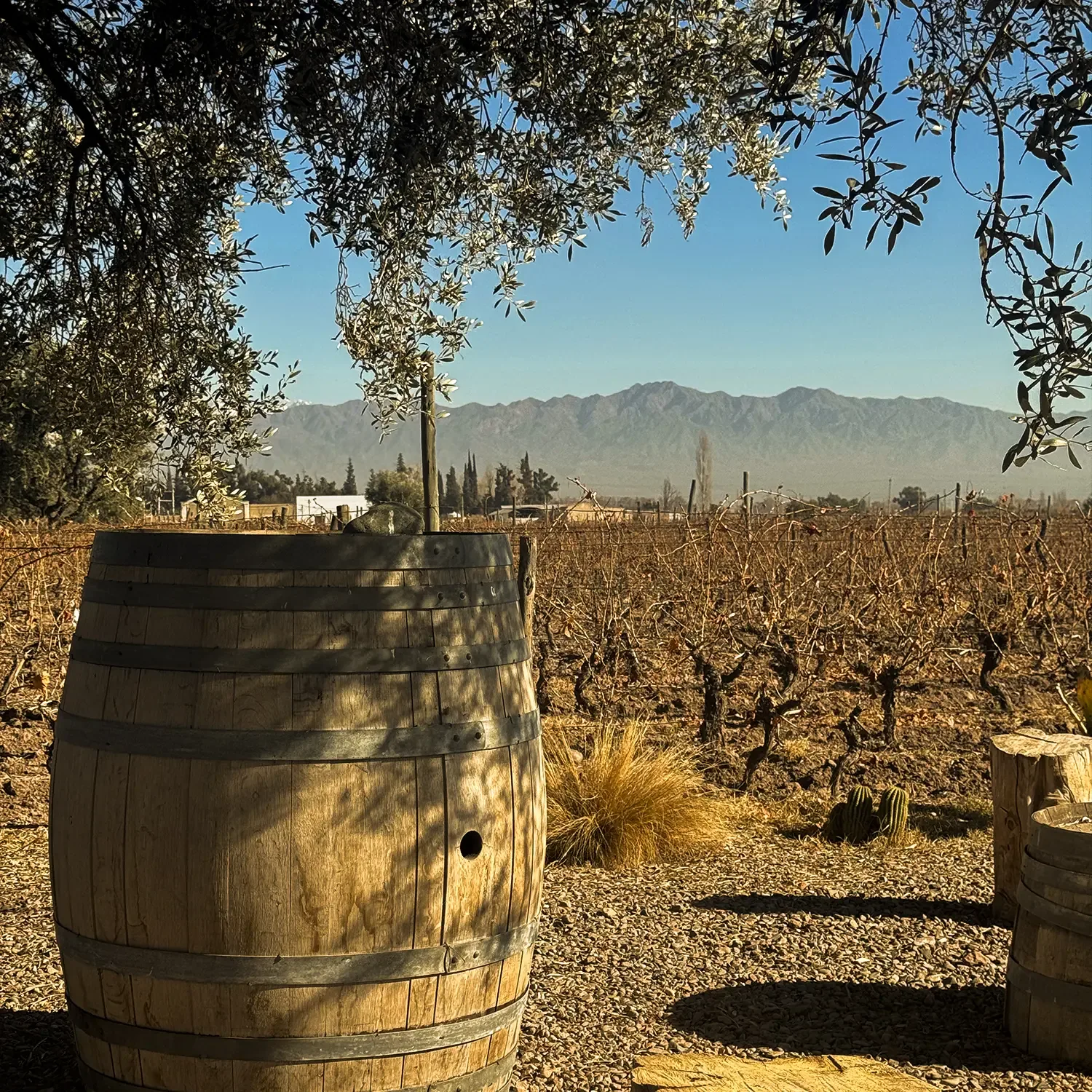
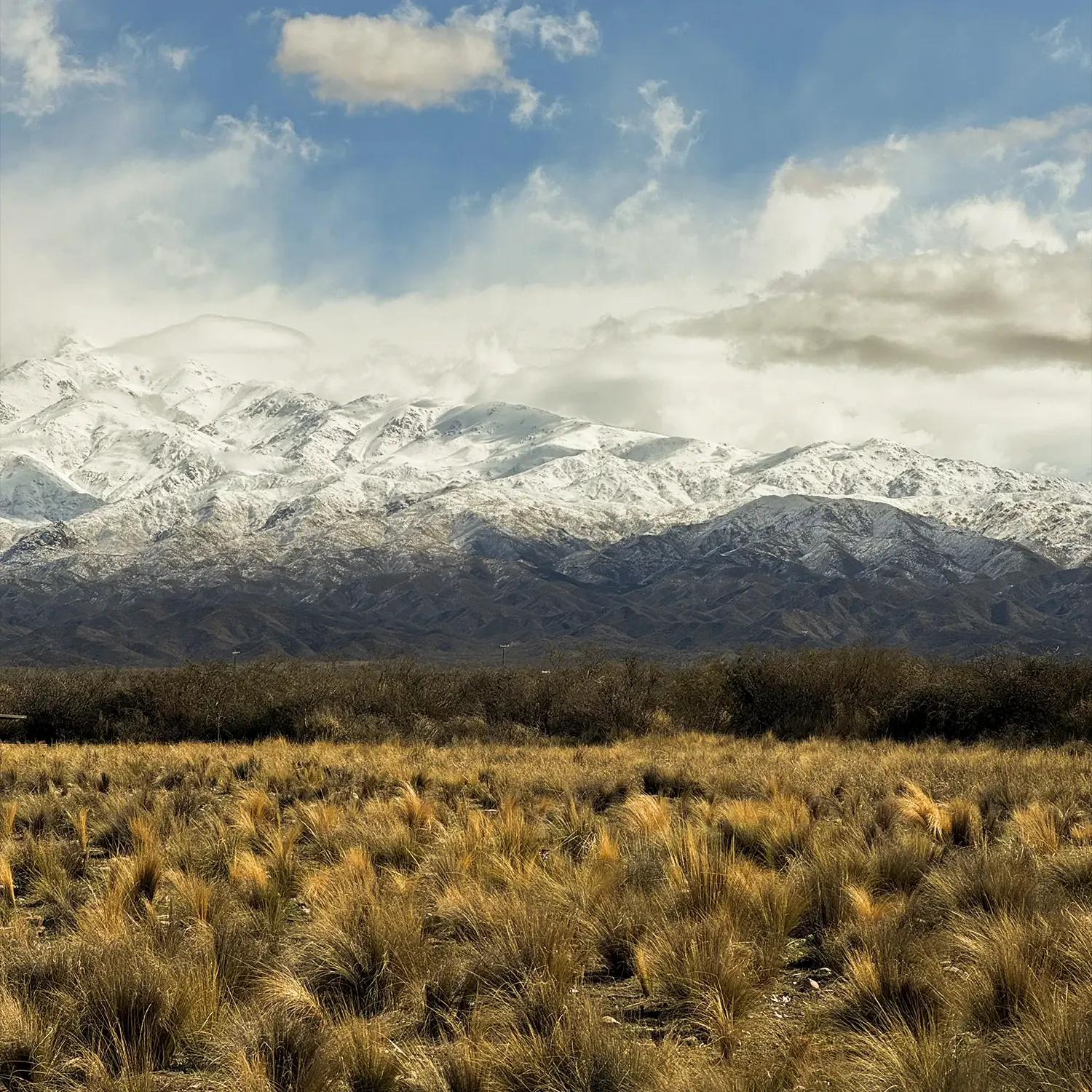
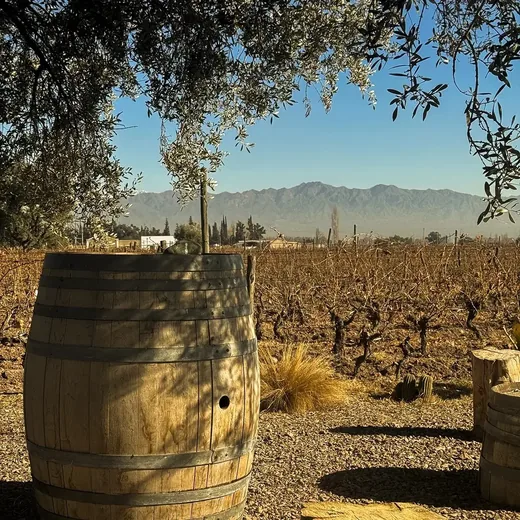
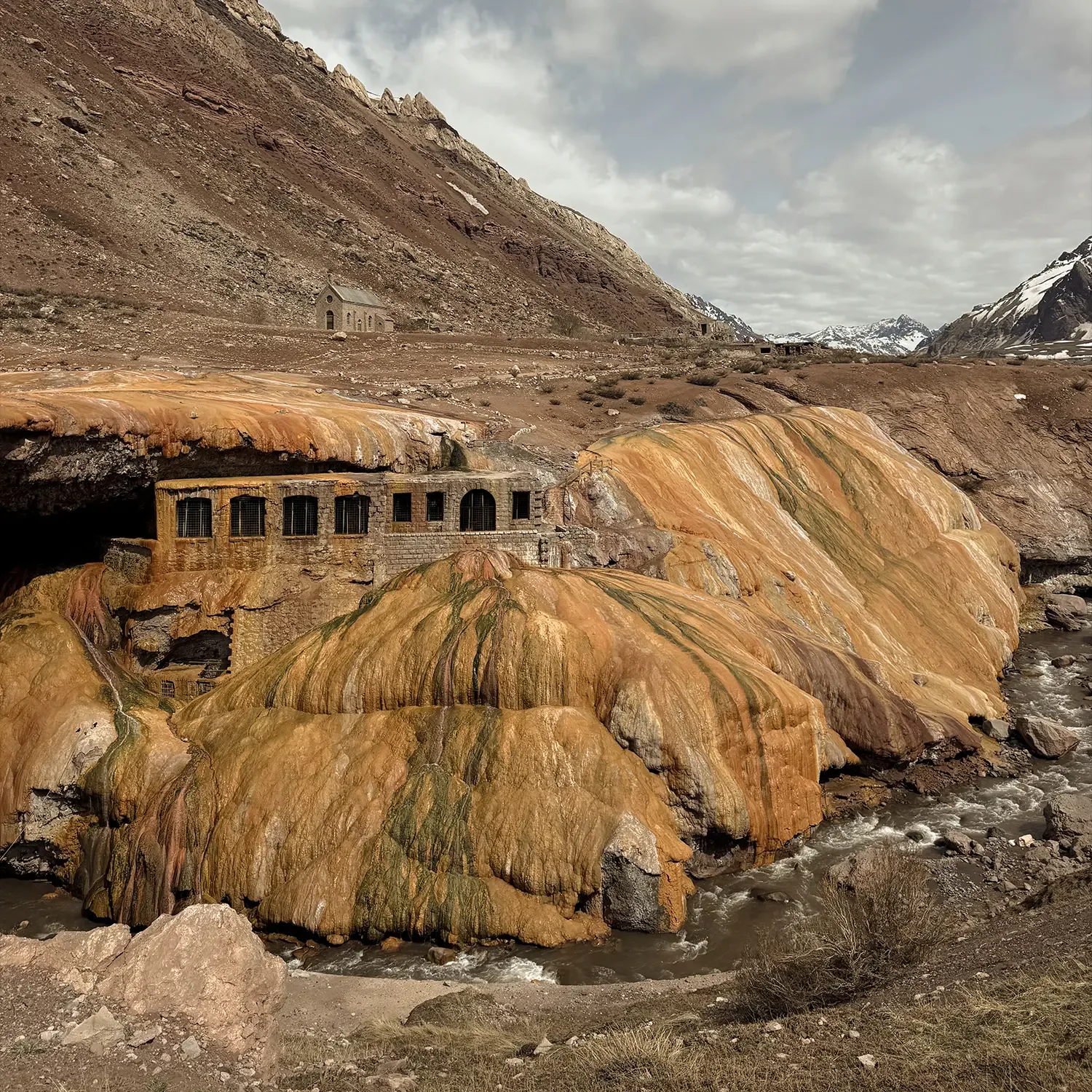
Low season. Some wineries close or reduce their hours. The vines are dormant (no leaves) but there are options such as fireside tastings. It can be combined with skiing at Penitentes or a High Mountain excursion with snow-covered landscapes.
Spring (September to November)
Budburst and flowering of the vine. Ideal weather and moderate prices. An excellent option.
Suggested itineraries
1-day itinerary
A single region, 2 wineries plus lunch. Our recommendation: Luján de Cuyo.
2-day itinerary
- Day 1: Luján de Cuyo
- Day 2: Uco Valley
3-day itinerary
- Day 1: Luján de Cuyo
- Day 2: High Mountain excursion
- Day 3: Uco Valley
5-day itinerary (recommended)
- Day 1: Arrival and a city tour of Mendoza (private city tour)
- Day 2: Luján de Cuyo
- Day 3: High Mountain
- Day 4: Uco Valley
- Day 5: Maipú or a special experience (a city tour or a blending experience)
Combining the route with other experiences
The Wine Route becomes much richer when combined with other Mendoza experiences:
- : learning Argentine asado and Mendoza empanadas.
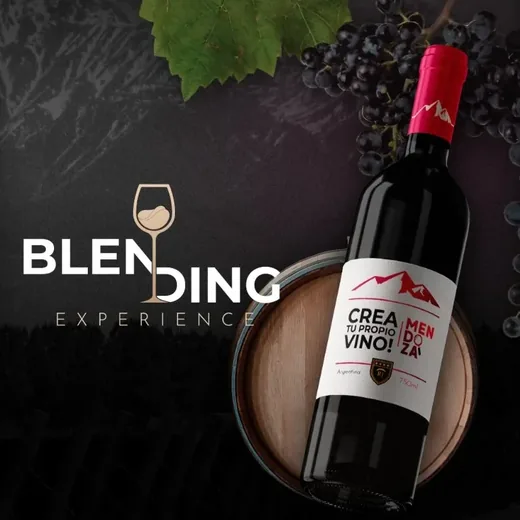
- Blending experience: creating your own wine with a winemaker.
- : mountain adventure off the traditional routes.
- City tour: getting to know the city of Mendoza and its culture.
FAQ
How many wineries can you visit in a day?
The ideal is 2 wineries plus lunch. A maximum of 3 if the tastings are short. More than that saturates the palate.
Do the wineries need to be booked?
Yes, every winery requires an advance booking. In high season, 30 to 60 days ahead.
Do the wineries charge for the visit?
Yes, every winery charges for the visit. Basic visits with a tasting are the most affordable option, paired lunches are a complete dining experience, and private experiences at icon wineries involve the biggest investment.
Can you buy wine at the wineries?
Yes, almost all have a shop open to the public with better prices than in Buenos Aires. Some ship internationally.
What's the best age to do the Wine Route?
There's no such age. The route is enjoyed from 18 (the legal drinking age in Argentina) upwards, with no limit. Some wineries offer experiences for children (vineyard walks without a tasting).
If you'd like to build your Wine Route with a team that knows every winery and every winemaker, message us on WhatsApp. Vito Wine Tours builds personalised itineraries and knows the corners that don't appear in the traditional guidebooks.
Related tourLuján de Cuyo tourThe cradle of Argentine Malbec›More questions? Take a look at our FAQ with 25 common questions about tours, pricing, logistics and the High Mountain excursion.
Written by
Vito Wine Tours
Founder and head concierge at Vito Wine Tours. More than 15 years curating private experiences at boutique wineries in Luján de Cuyo, Maipú and the Uco Valley.
Want to live it?
Travel the Wine Route with us
Daily departures · Private tours · Confirmed bookings