Dark mode

Home › Blog › ">→Wine pairing

Food

Malbec food pairing and Mendoza wine pairings

How Mendoza's wines were built around the Argentine table — and how to pair them properly
Updated May 2026 · Vito Wine Tours · May 2026 · 7 min read

Mendoza wine pairing, Malbec, lamb and asado

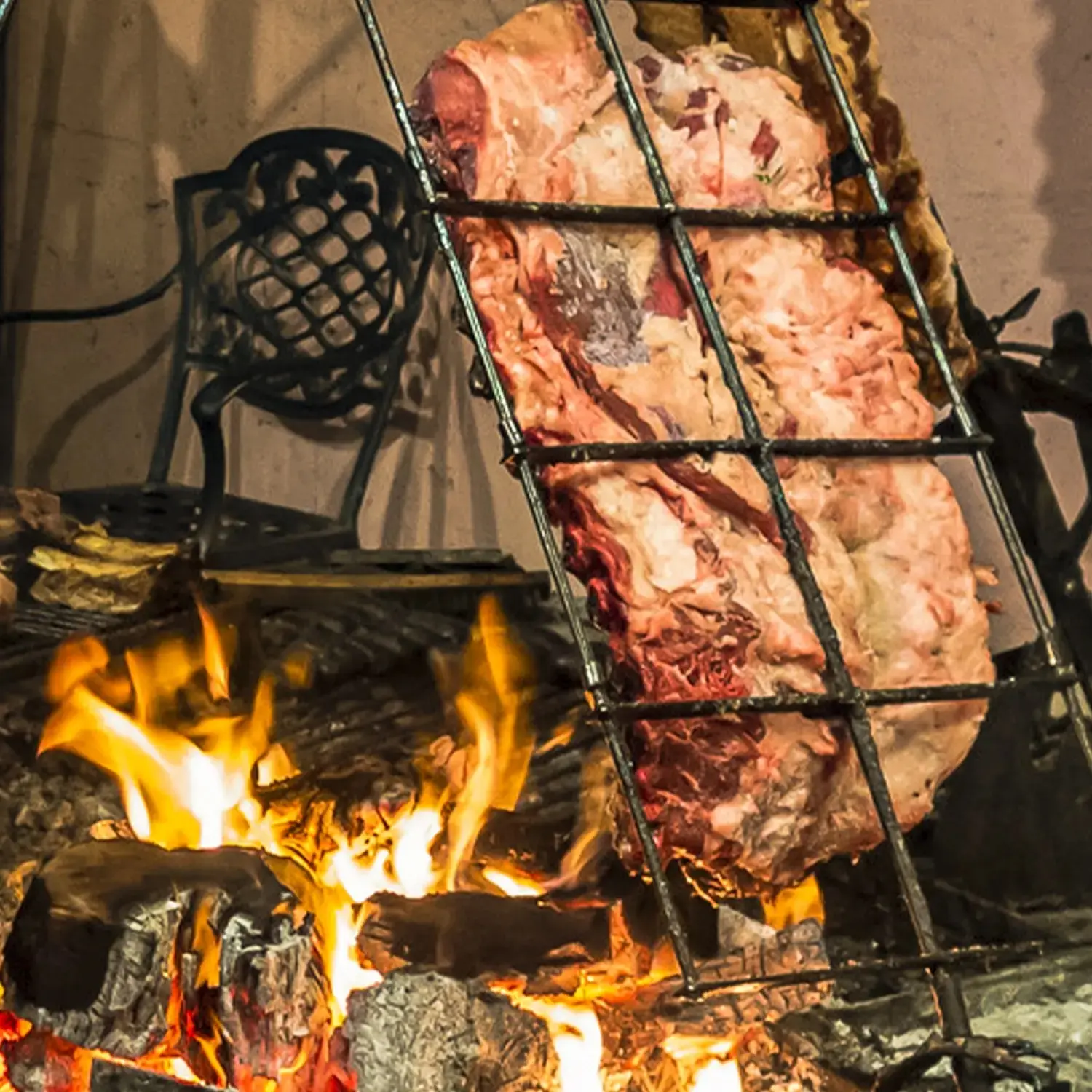
"Argentine wines weren't designed to go with salads. They were designed to go with asado." That observation — common among local sommeliers — is the right starting point for understanding pairing in Mendoza. Argentine cooking and Argentine wine developed together over more than a century. The pairings weren't discovered; they built each other.

Planning your visit? Discover our private wine tours in Mendoza — or explore our luxury wine experiences in Mendoza.

This guide explains Mendoza's classic pairings, the modern ones emerging from contemporary cooking, and how to build meals that show the wines at their best.

The classic pairings

Malbec with lamb

If you're only going to learn one Argentine pairing, this is the one. Mendoza Malbec and Patagonian lamb have an almost metaphysical affinity. The Malbec's tannins cut through the fat of the lamb. The wine's dark fruit mirrors the natural sweetness of the leg. Its acidity keeps the palate fresh across many mouthfuls.

The trick is the right cooking: slow-cooked lamb (ideally over open fire or in the oven) for 4 to 6 hours until the meat falls off the bone. Serve with a structured Malbec of 5 to 10 years. This is the meal worth travelling to Mendoza for.

Bonarda with empanadas

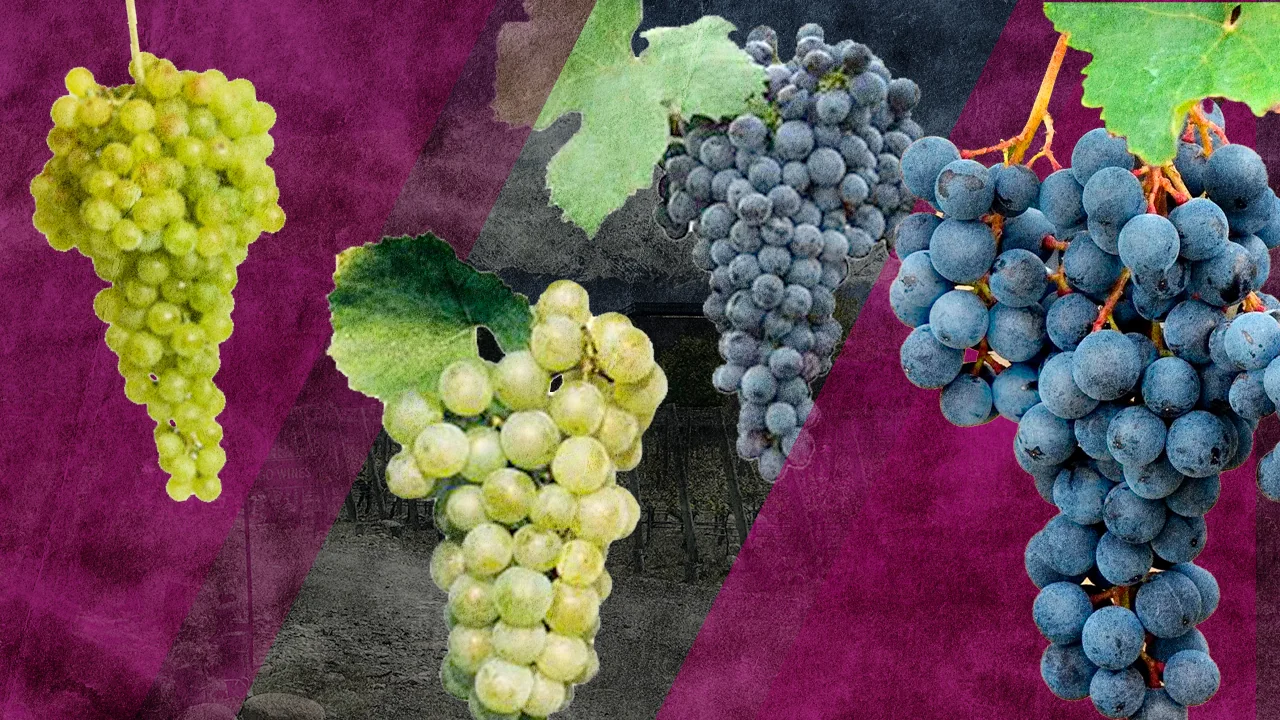
The Bonarda — Argentina's second most planted grape and far less known internationally than Malbec — is the perfect match for beef empanadas. Bonarda has a lighter body than Malbec, bright red fruit and soft tannins. Empanadas (beef, onion, cumin, raisins) have a flavour complexity that calls for a flexible wine. Bonarda is exactly that.

Cabernet Franc with herb-driven cooking

The Cabernet Franc from Mendoza, with its herbal notes and minerality, pairs well with cooking that involves fresh herbs, roasted vegetables and lean meats with green seasoning. The garden cuisine of the Uco Valley — grilled asparagus, roast squash with pesto, rosemary lamb — is specifically aligned with this kind of Cabernet Franc.

Torrontés with northern Argentine cooking

The Torrontés, native to northern Argentina, is the country's distinctive white grape. Its floral, aromatic profile (grapefruit, jasmine, lychee) pairs exceptionally with northern cooking: humita in its husk, locro, tamales and ceviches with sharp citrus. On the typical winery menu, Torrontés is what's poured before any red.

The modern pairings

Mendoza Pinot Noir with river trout

New Pinot Noir plantings at higher altitude in the Uco Valley are producing wines that work well with oily fish — particularly Mendoza river trout. It's one of the most interesting contemporary pairings now emerging.

High-altitude Chardonnay with goat's cheese

Chardonnay from Gualtallary (1,500 metres and above) has the acidity to carry the weight of aged goat's cheeses and the complexity to match their intensity. Mendoza's goat's cheese industry is growing fast and this pairing is becoming established.

Sparkling wine with richer empanadas

Empanadas in general — but especially the fried, richer versions — benefit enormously from the bubbles of a sparkling wine. Argentina's traditional method has gained significant quality over the past decade. As an aperitif to any Argentine meal, a brut nature sparkling is an excellent choice.

Orange wines with other cuisines

A small but growing category of orange wines (skin-contact whites) in Mendoza pairs well with the non-Argentine cooking now arriving in the city — particularly Peruvian, Japanese and Middle Eastern.

The pairings that DON'T work

Malbec with fish

Malbec's tannins ruin the delicacy of most fish. If you need a red with fish, reach for Mendoza Pinot Noir or a medium-bodied Cabernet Franc.

Any structured red with vinegar-dressed salads

Vinegar and tannin clash brutally. Use dry whites or rosés for salads with vinaigrettes.

Sweet wines with extremely sweet desserts

General rule: the wine must be sweeter than the dessert, or it turns bitter by contrast. Argentine late-harvest wines work with moderately sweet desserts (flan, postre criollo) but lose against very sweet ones (rich ice cream, dense dark chocolate).

Building a day around pairings

A winery lunch with designed pairings

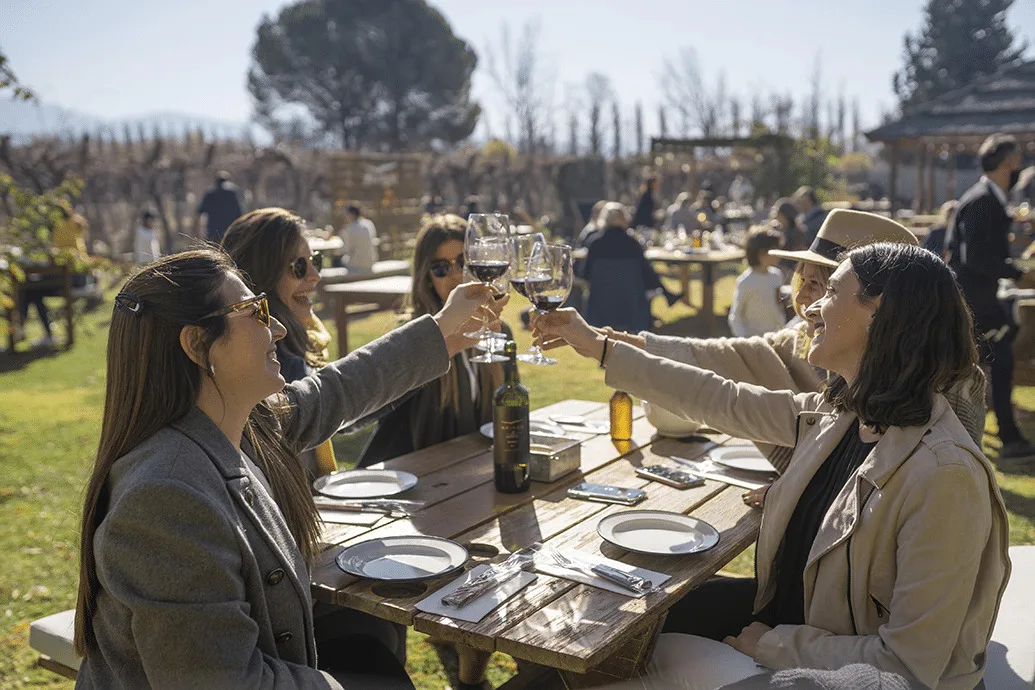
The winery lunch with designed pairings is the most efficient format for understanding Mendoza pairing. The chefs and sommeliers have already done the work — you just have to pay attention.

A cooking class with wine

Ours includes pairings while you cook. It's a more active format than learning simply by eating.

A multi-restaurant dinner with wines by the glass

An evening in Mendoza with three short stops at different restaurants, each with a different wine by the glass, gives a broad panorama of pairing possibilities. No single restaurant does this, but a wine concierge can arrange it.

FAQ

Is it better to start with white or red?

Traditionally white before red, light before heavy, young before aged. At a typical Argentine lunch: sparkling → white → light red → structured red → sweet wine.

Does wine temperature matter for pairing?

A great deal. A red that's too warm loses structure. A white that's too cold loses aroma. Mendoza reds are best at 16–18°C, not at an Argentine summer room temperature.

How do I learn to pair on my own?

Try the same wine with two different dishes in the same meal. The difference is what teaches you.

If you'd like us to organise a trip focused on pairings, including designed lunches, cooking classes and access to sommeliers, get in touch on WhatsApp.

More questions? Take a look at our FAQ with 25 common questions about tours, pricing, logistics and the High Mountain excursion.

V

Written by

Vito Wine Tours

Private wine experiences in Mendoza. We design and run tailor-made days at boutique wineries in Lujan de Cuyo, Maipu and the Uco Valley.

Want to live it?

Learn pairing with us

Personal guidance · Confirmed bookings · Private experiences

Ask on WhatsApp
Mendoza wine pairing, Malbec, lamb and asado

Food

Malbec food pairing and Mendoza wine pairings

How Mendoza's wines were built around the Argentine table — and how to pair them properly

"Argentine wines weren't designed to go with salads. They were designed to go with asado." That observation — common among local sommeliers — is the right starting point for understanding pairing in Mendoza. Argentine cooking and Argentine wine developed together over more than a century. The pairings weren't discovered; they built each other.

Planning your visit? Discover our private wine tours in Mendoza — or explore our luxury wine experiences in Mendoza.

This guide explains Mendoza's classic pairings, the modern ones emerging from contemporary cooking, and how to build meals that show the wines at their best.

The classic pairings

Malbec with lamb

If you're only going to learn one Argentine pairing, this is the one. Mendoza Malbec and Patagonian lamb have an almost metaphysical affinity. The Malbec's tannins cut through the fat of the lamb. The wine's dark fruit mirrors the natural sweetness of the leg. Its acidity keeps the palate fresh across many mouthfuls.

The trick is the right cooking: slow-cooked lamb (ideally over open fire or in the oven) for 4 to 6 hours until the meat falls off the bone. Serve with a structured Malbec of 5 to 10 years. This is the meal worth travelling to Mendoza for.

Bonarda with empanadas

The Bonarda — Argentina's second most planted grape and far less known internationally than Malbec — is the perfect match for beef empanadas. Bonarda has a lighter body than Malbec, bright red fruit and soft tannins. Empanadas (beef, onion, cumin, raisins) have a flavour complexity that calls for a flexible wine. Bonarda is exactly that.

Cabernet Franc with herb-driven cooking

The Cabernet Franc from Mendoza, with its herbal notes and minerality, pairs well with cooking that involves fresh herbs, roasted vegetables and lean meats with green seasoning. The garden cuisine of the Uco Valley — grilled asparagus, roast squash with pesto, rosemary lamb — is specifically aligned with this kind of Cabernet Franc.

Torrontés with northern Argentine cooking

The Torrontés, native to northern Argentina, is the country's distinctive white grape. Its floral, aromatic profile (grapefruit, jasmine, lychee) pairs exceptionally with northern cooking: humita in its husk, locro, tamales and ceviches with sharp citrus. On the typical winery menu, Torrontés is what's poured before any red.

The modern pairings

Mendoza Pinot Noir with river trout

New Pinot Noir plantings at higher altitude in the Uco Valley are producing wines that work well with oily fish — particularly Mendoza river trout. It's one of the most interesting contemporary pairings now emerging.

High-altitude Chardonnay with goat's cheese

Chardonnay from Gualtallary (1,500 metres and above) has the acidity to carry the weight of aged goat's cheeses and the complexity to match their intensity. Mendoza's goat's cheese industry is growing fast and this pairing is becoming established.

Sparkling wine with richer empanadas

Empanadas in general — but especially the fried, richer versions — benefit enormously from the bubbles of a sparkling wine. Argentina's traditional method has gained significant quality over the past decade. As an aperitif to any Argentine meal, a brut nature sparkling is an excellent choice.

Orange wines with other cuisines

A small but growing category of orange wines (skin-contact whites) in Mendoza pairs well with the non-Argentine cooking now arriving in the city — particularly Peruvian, Japanese and Middle Eastern.

The pairings that DON'T work

Malbec with fish

Malbec's tannins ruin the delicacy of most fish. If you need a red with fish, reach for Mendoza Pinot Noir or a medium-bodied Cabernet Franc.

Any structured red with vinegar-dressed salads

Vinegar and tannin clash brutally. Use dry whites or rosés for salads with vinaigrettes.

Sweet wines with extremely sweet desserts

General rule: the wine must be sweeter than the dessert, or it turns bitter by contrast. Argentine late-harvest wines work with moderately sweet desserts (flan, postre criollo) but lose against very sweet ones (rich ice cream, dense dark chocolate).

Building a day around pairings

A winery lunch with designed pairings

The winery lunch with designed pairings is the most efficient format for understanding Mendoza pairing. The chefs and sommeliers have already done the work — you just have to pay attention.

A cooking class with wine

Ours includes pairings while you cook. It's a more active format than learning simply by eating.

A multi-restaurant dinner with wines by the glass

An evening in Mendoza with three short stops at different restaurants, each with a different wine by the glass, gives a broad panorama of pairing possibilities. No single restaurant does this, but a wine concierge can arrange it.

FAQ

Is it better to start with white or red?

Traditionally white before red, light before heavy, young before aged. At a typical Argentine lunch: sparkling → white → light red → structured red → sweet wine.

Does wine temperature matter for pairing?

A great deal. A red that's too warm loses structure. A white that's too cold loses aroma. Mendoza reds are best at 16–18°C, not at an Argentine summer room temperature.

How do I learn to pair on my own?

Try the same wine with two different dishes in the same meal. The difference is what teaches you.

If you'd like us to organise a trip focused on pairings, including designed lunches, cooking classes and access to sommeliers, get in touch on WhatsApp.

More questions? Take a look at our FAQ with 25 common questions about tours, pricing, logistics and the High Mountain excursion.

Learn pairing with us

Personal guidance · Confirmed bookings · Private experiences
Vito Wine Tours

Private winery tours in Mendoza.

+54 9 261 699-7101vitowinetours@gmail.com