Culture
The spiritual symbol watching over the vineyards since the eighteenth century
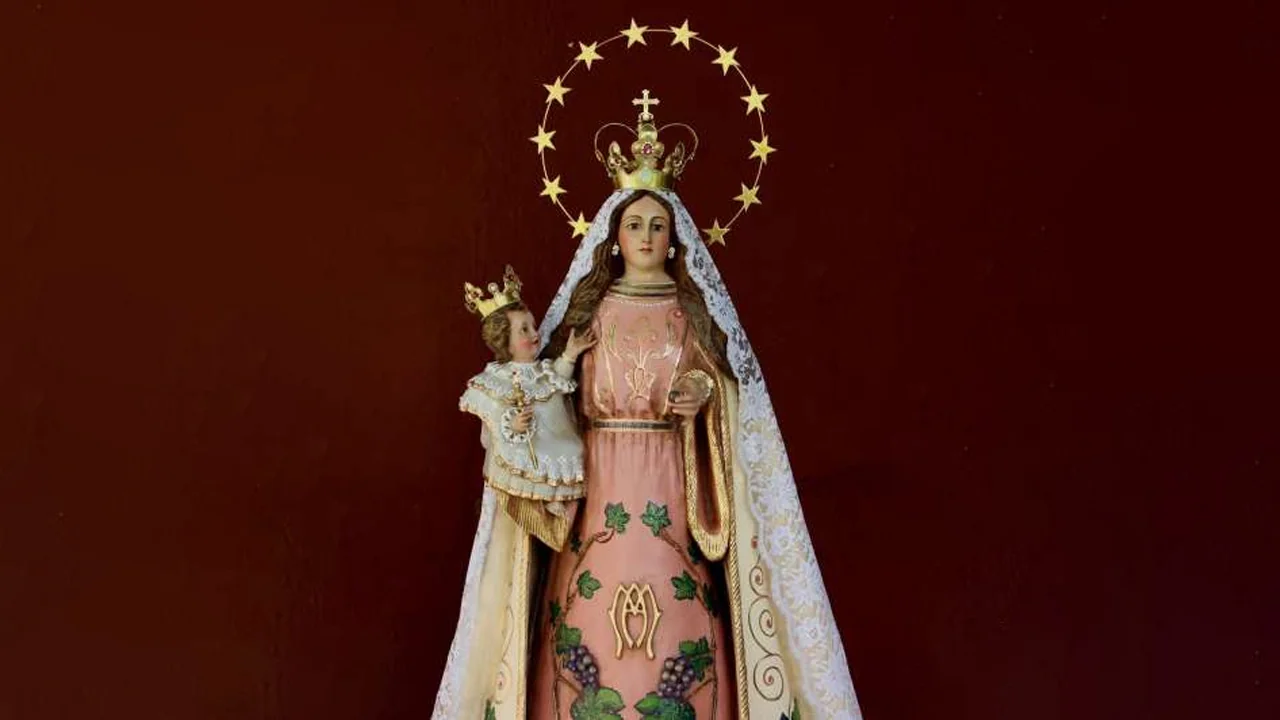
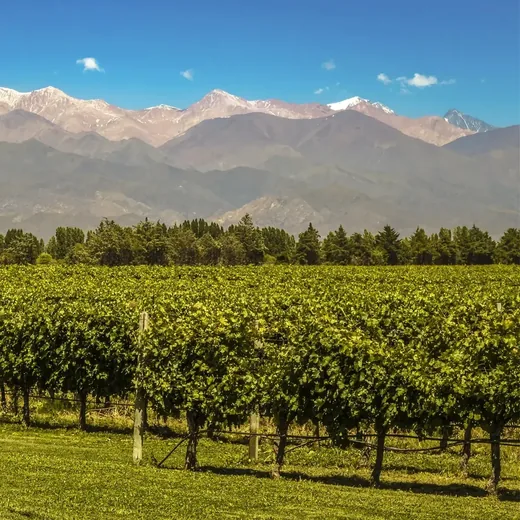
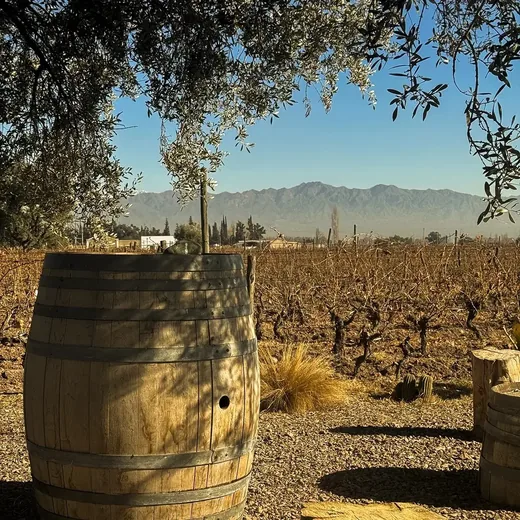
The Virgen de la Carrodilla is the patron saint of Mendoza's vineyards. Every year, thousands of people make the pilgrimage to her sanctuary in Luján de Cuyo to pray for good harvests. It's one of the most deeply rooted traditions in Argentine wine tourism.
If you're planning your trip, discover our private winery tours in Mendoza — or explore our fine wine experiences.
In this guide we'll tell the story of this devotion, how to visit the sanctuary and why it's worth including in any tour of Luján de Cuyo.
History: the origin of the devotion
The Virgen de la Carrodilla is a Marian devotion of Spanish origin. Her name comes from Carrodilla, a town in Cádiz where her original sanctuary was built in the seventeenth century.
The image arrived in Argentina in the eighteenth century, brought by Miguel Bombal, a Mendoza merchant. It came in an ox-drawn cart — hence the name. Bombal gave it to his daughter as the protector of the family vineyards in Luján de Cuyo.
Over the years the devotion spread across the whole wine region. The Virgen de la Carrodilla is today the official patron saint of Mendoza's vineyards, and her sanctuary is a pilgrimage destination every year.
The Sanctuary of the Virgen de la Carrodilla
The current sanctuary is in Luján de Cuyo, on Carrodilla street, in the heart of the wine country. It was built in the nineteenth century and declared a National Historic Monument.
Features:
- A neoclassical church with a white facade
- A carved wooden image dressed in an embroidered mantle
- A chapel with votive candles and ex-votos from victims and pilgrims
- An inner courtyard overlooking the surrounding vineyards
The Blessing of the Fruits: the main celebration
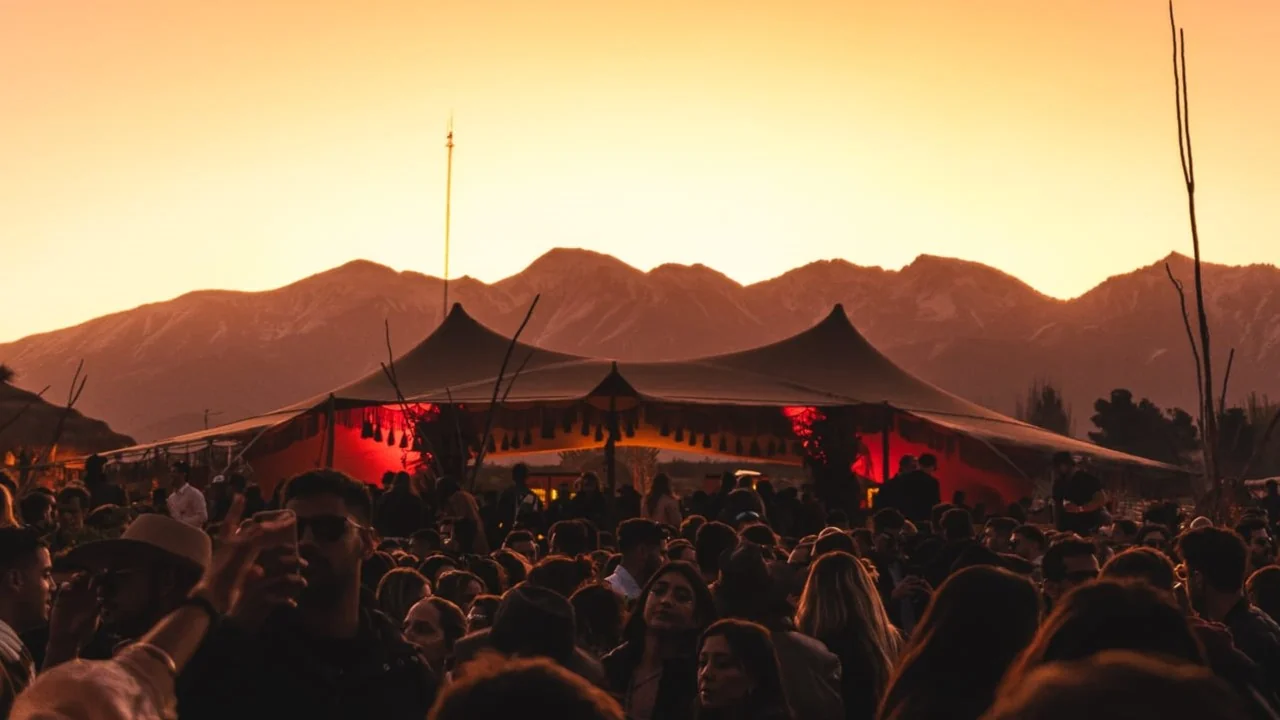
On the first weekend of March (around the harvest), Mendoza celebrates the Festival of the Blessing of the Fruits. It's the most important celebration in honour of the Virgen de la Carrodilla.
The event includes:
- A procession with the image through the streets of Luján de Cuyo
- Mass at the sanctuary
- A symbolic blessing of the first grapes of the harvest
- A festival with folk music and regional food
- Local wineries taking part with wines to taste
If you're planning to travel to Mendoza during harvest (February to March), including the Festival of the Blessing is a unique experience. To understand the importance of the harvest more broadly, we recommend our guide to wine tourism in Mendoza.
Visiting the sanctuary: how and when
Opening hours
- Monday to Friday: 9:00 to 13:00 and 16:00 to 19:00
- Saturdays and Sundays: Mass at 9:00, 11:00 and 19:00
- Special events during the harvest (February to March) and Holy Week
How to get there
The sanctuary is in Luján de Cuyo, 20 to 25 minutes from downtown Mendoza. It combines easily with visits to nearby wineries such as Casa Vigil, Vistalba or Bodega Norton. Our private winery tours in Luján de Cuyo can include a stop at the sanctuary at no extra cost.
What to see at the sanctuary
- The original image of the Virgin (eighteenth century)
- The baroque altar with gold-leaf details
- The historic ex-votos (plaques of thanks for miracles)
- The courtyard overlooking the vineyards
- The small museum with historic objects of the devotion
Other religious sites linked to wine
If you're interested in the link between religion and wine in Mendoza, other sites to visit:
- Iglesia de la Vendimia (Maipú): built by Italian winemakers.
- The Bodegas López chapel (Maipú): a small chapel in the winery's historic core.
- Iglesia de San Vicente Ferrer (Godoy Cruz): patron saint of vineyard and winery workers.
The link between religion and winemaking
The relationship between wine and the Catholic faith in Mendoza runs deep. Argentina's first vines were brought by Jesuit and Franciscan missionaries in the sixteenth century, to produce sacramental wine. For 250 years, most Mendoza wine was made for liturgical purposes.
The modernisation of the industry with Italian and French immigration in the nineteenth century changed the focus, but the religious presence left its mark on many traditions: the blessing of the harvest, religious images at winery entrances, family chapels on large estates. To go deeper, we recommend the history of Mendoza wine.
Combining the sanctuary with winery tours
If you're interested in combining history, religion and wine, here's a suggestion:
- Morning: A visit to the Carrodilla Sanctuary plus a nearby winery (Vistalba or Casa Vigil)
- Lunch: at a winery restaurant with fine wines
- Afternoon: A visit to another Luján de Cuyo winery (Catena Zapata or Achaval Ferrer)
It's a culturally rich day that shows how faith and wine have been intertwined in Mendoza for four centuries.
Other Mendoza devotions
- Virgen de la Asunción: patron saint of the city of Mendoza.
- San Vicente Ferrer: patron saint of wine workers.
- Cristo Redentor de los Andes: a monument to peace between Argentina and Chile, on the border between the two countries (visitable on the High Mountain tour in summer).
FAQ
How long does the visit take?
30 to 45 minutes is enough to see the sanctuary and the altar, take photos and pray if you wish.
Is there an entrance fee?
No. The visit is free. Voluntary donations are accepted.
Can I take photos?
Yes, in the courtyard and the central nave. At the high altar and during Mass, better not.
Is there a gift shop?
Yes, next to the sanctuary. Prayer cards, rosaries and books about the devotion.
When is the Festival of the Blessing of the Fruits in 2026?
Usually the first weekend of March. Check the exact dates on the Archdiocese of Mendoza website.
If you'd like to organise a winery tour combining culture, religious history and wine tourism, message us on WhatsApp. We build personalised themed itineraries.
Related tourLuján de Cuyo tourWhere the Virgin's sanctuary is›More questions? Take a look at our FAQ with 25 common questions about tours, pricing, logistics and the High Mountain excursion.
Written by
Vito Wine Tours
Founder and head concierge at Vito Wine Tours. More than 15 years curating private experiences at boutique wineries in Luján de Cuyo, Maipú and the Uco Valley.
Want to live it?
Getting to know Mendoza in depth
Cultural tours · History · Wine tourism