

Dark mode

Home › Blog › ">→ History

History

The history of wine in Mendoza

Four centuries of tradition, innovation and passion
Updated May 2026 · Vito Wine Tours · June 2024 · 5 min read

The history of Mendoza wine: tradition and innovation

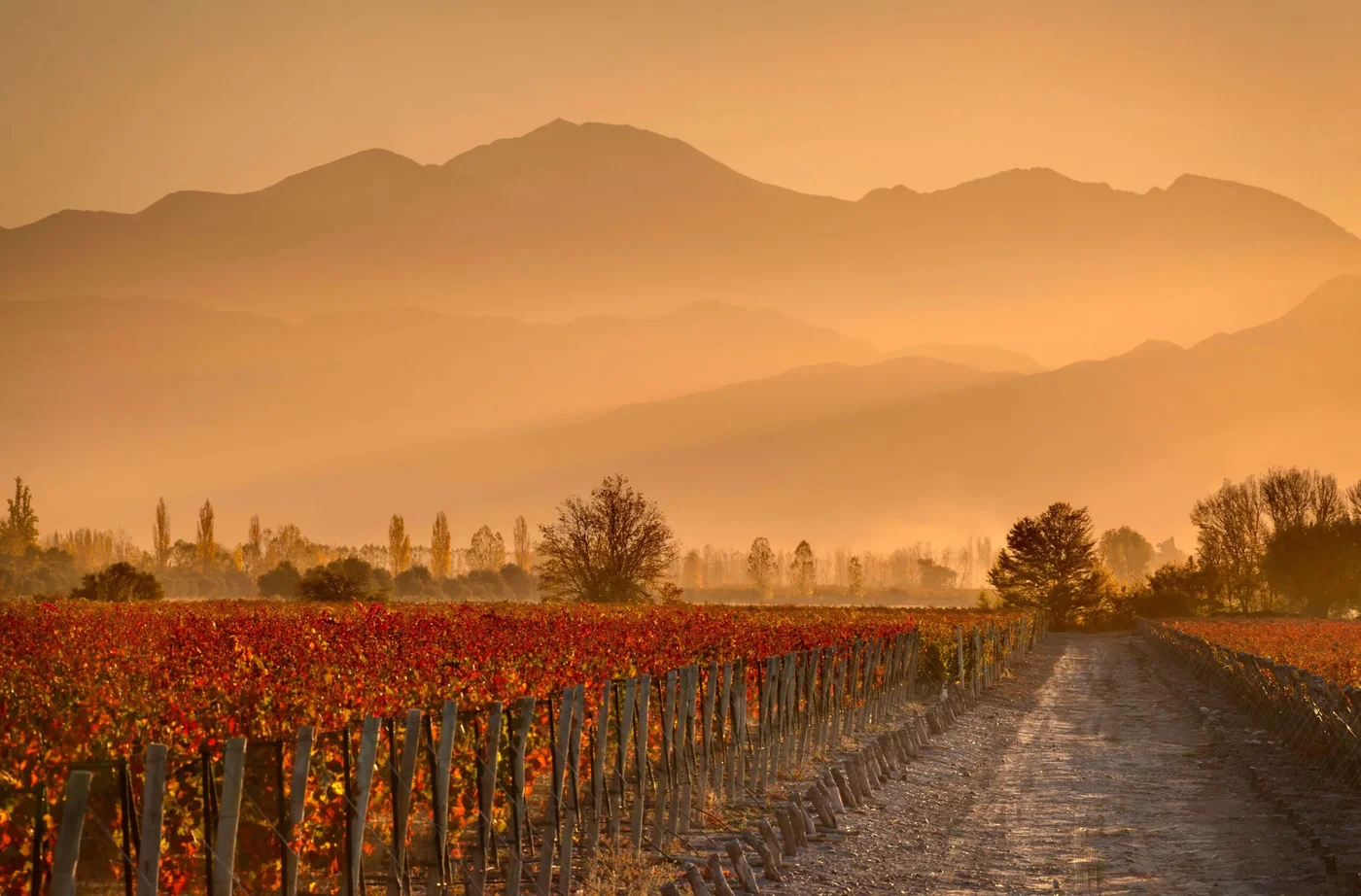
Mendoza wasn't born a wine capital. It took more than four centuries of work, immigration, mistakes and reinvention to become what it is today: one of the world's twelve Great Wine Capitals.

If you're planning your trip, discover our private winery tours in Mendoza — or explore our fine wine experiences.

Knowing the history of Mendoza wine isn't just general knowledge: it's understanding why the wineries are the way they are, why Malbec became a national symbol and how wine tourism came to be one of the province's main economic engines.

The origins: missionaries and vines without tradition (1556–1850)

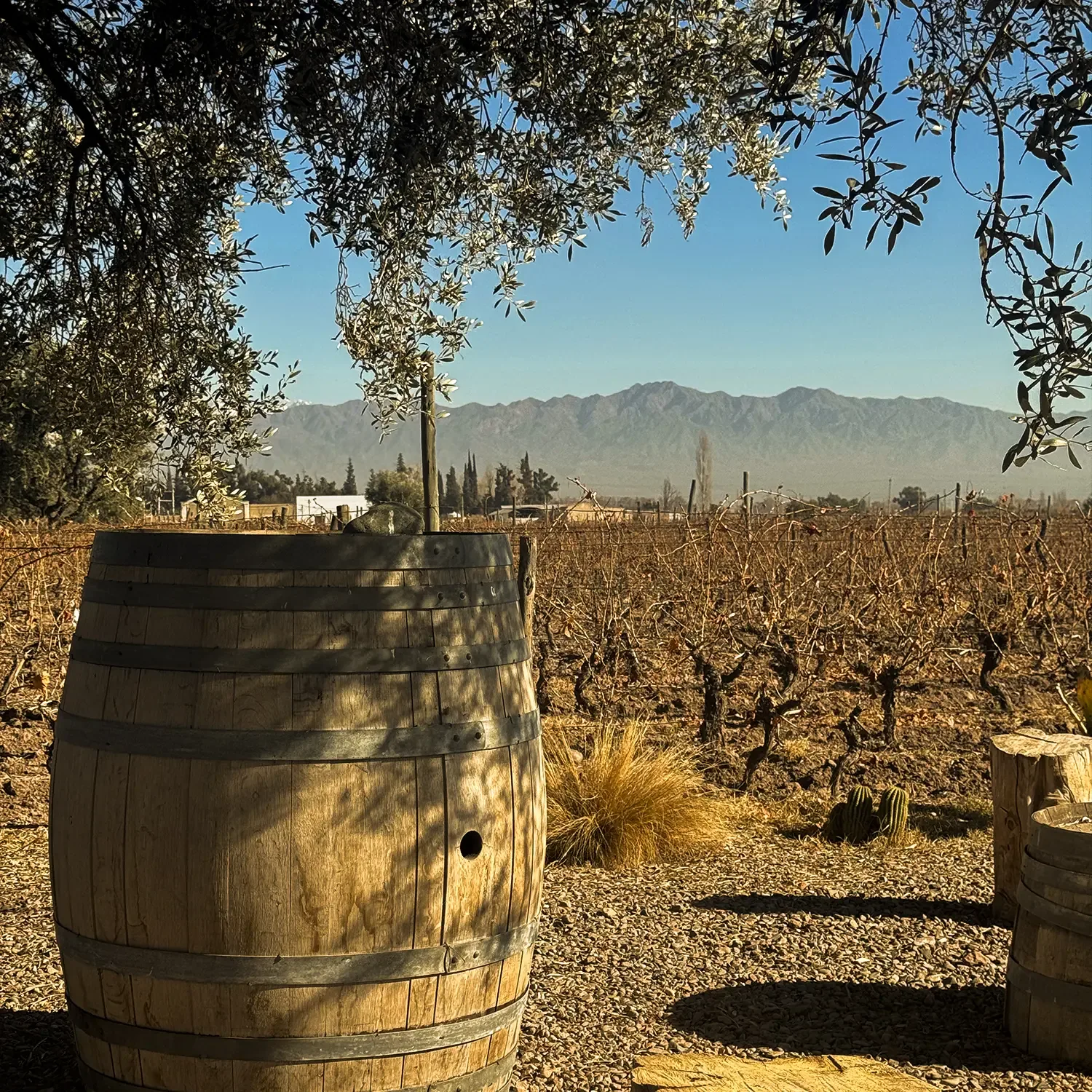
The first vines reached Mendoza in 1556, brought by Spanish Jesuit and Franciscan missionaries. The grapes weren't for tourism or for the market: they were for making sacramental wine. The main variety was Criolla, a hardy variety adapted to the desert climate.

For 250 years, Mendoza produced wine for local consumption. The industry was artisanal, with family wineries and wines that never left the region. The Andes and the lack of transport made exporting impossible.

The immigrant revolution (1850–1920)

The great transformation began with European immigration. In the mid-nineteenth century Italians, Spaniards and French arrived in Mendoza, many from traditional wine regions. They brought with them:

  • French and Italian grapes: Malbec, Cabernet Sauvignon, Sangiovese, Bonarda
  • Modern winemaking techniques
  • The concept of the industrial winery

The historic milestone came in 1853: the French agronomist Michel Aimé Pouget, hired by governor Domingo Faustino Sarmiento, brought the first Malbec vines from France. Without knowing it, he planted the seed of Argentina's wine symbol.

In the following decades the first industrial wineries were founded: Bodegas López (1898), Trapiche (1883), Toso (1890). The arrival of the railway in 1885 connected Mendoza with Buenos Aires and allowed wine to be shipped across the country.

The industrial era and mass production (1920–1990)

During the twentieth century, Mendoza became South America's largest wine producer. But quality wasn't the focus: quantity was. Argentina had extremely high per-capita wine consumption (more than 90 litres per person a year in the 1970s), and the wineries produced mass-market wines for the domestic market.

Malbec, already planted, was seen as a filler grape. The big successes were Cabernet Sauvignon and blends with Bonarda and Tempranillo. The wineries were enormous, with outdated technology and a focus on volume.

Curious fact: In the 1980s, many old Malbec vineyards were pulled up to plant fashionable white varieties. Today those vines would be worth gold: the few that survived produce the most coveted Malbecs.

The quality revolution (1990–2010)

The collapse in Argentine wine consumption in the 1990s (it fell to less than 30 litres per person a year) forced the wineries to reinvent themselves. The way out was exporting, and exporting required world-class quality.

This is where the protagonists of the new era appear:

  • Nicolás Catena Zapata: the visionary who bet on fine Malbec and proved Argentina could compete with the world's great wines. In 1995 he released Catena Zapata Estiba Reservada, which received 99 points from Robert Parker.
  • Susana Balbo: Argentina's first female winemaker, a pioneer of fine Torrontés and Malbec.
  • Paul Hobbs: the Californian winemaker who founded Viña Cobos in Luján de Cuyo.
  • Achaval Ferrer: pioneers of single-parcel Malbecs.

The discovery of the Uco Valley as a high-altitude wine zone was the great revelation. Wineries such as Salentein, Andeluna, Domaine Bousquet showed that high-altitude wines had a unique expression impossible to replicate in other regions.

To properly understand the differences between Mendoza's wine regions, we recommend reading our guide to Mendoza's wine regions.

The wine-tourism boom (2000–today)

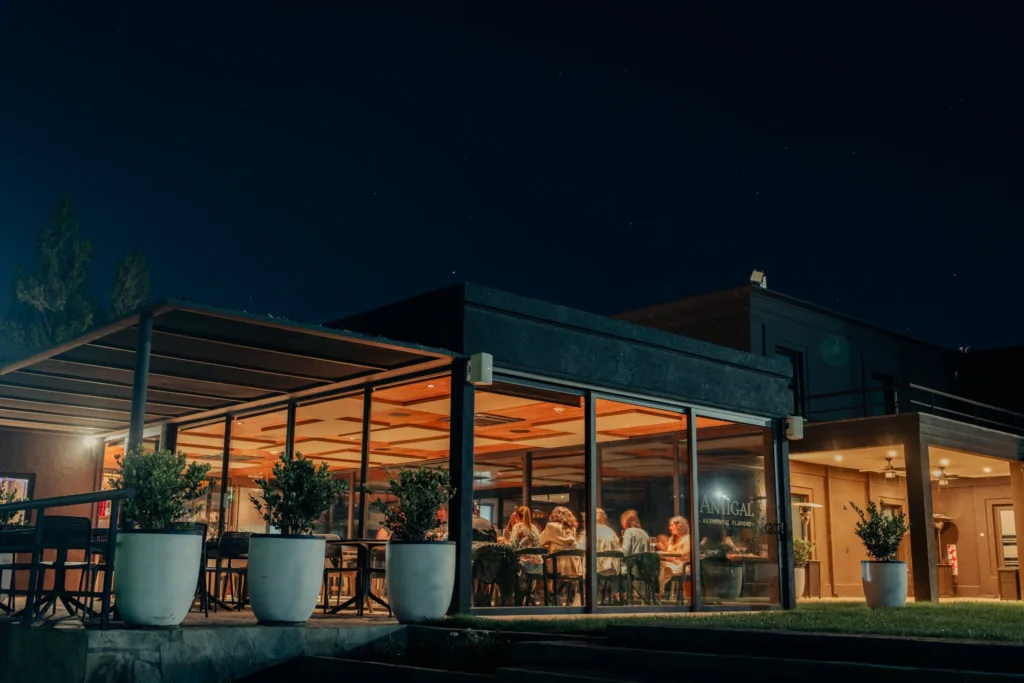
International recognition brought travellers' interest. The wineries, which historically hadn't received the public, began opening their doors. The first winery restaurants appeared: Casa Vigil, La Bourgogne (Vistalba), 1884 (Escorihuela Gascon), which added chef-driven cooking to the tastings.

In 2004, Mendoza was declared an International Wine Capital, joining the distinguished group of the world's Great Wine Capitals . That same year The Mendoza Wine Route was created as a structured tourism product. To understand how to explore it, see our Wine Route guide.

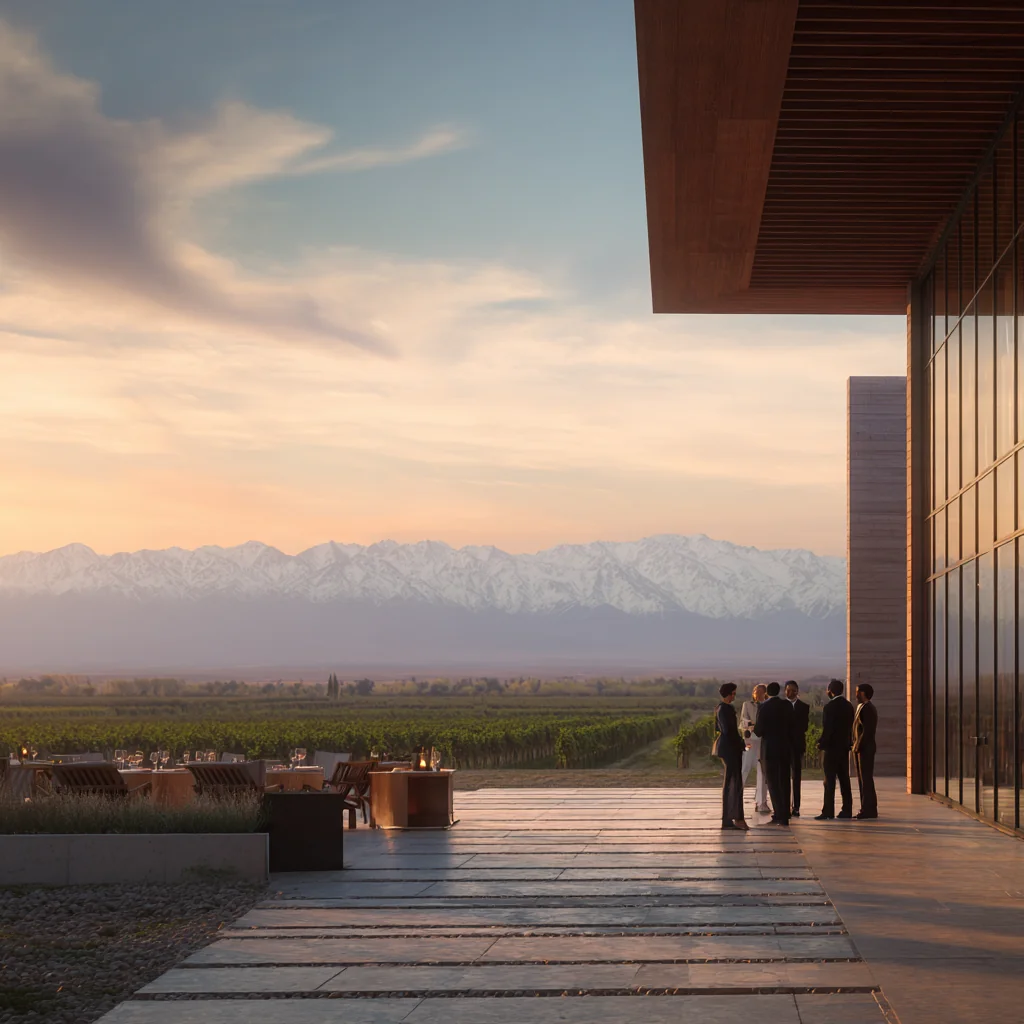
Today Mendoza's wineries are true architectural and culinary destinations. Salentein has a contemporary art museum, Casa Vigil offers immersive experiences with outstanding wines, and Catena Zapata is a Mayan pyramid in the middle of the vineyards.

Malbec: from filler grape to national symbol

The story of Mendoza Malbec deserves a chapter of its own. Native to Cahors, France, the grape almost died out in Europe because of phylloxera (a nineteenth-century plague). In Mendoza it found perfect conditions: altitude, temperature swing, stony soils and a dry climate. The variety evolved with characteristics of its own.

The big change came with the decision to make premium Malbecs instead of mass-market ones. Today there's more Malbec in Argentina than in any other country: 75% of the world's Malbec is grown in Mendoza.

To go deeper into the varieties, we recommend our guide to grape varieties in Mendoza.

The key milestones

  • 1556: The first vines arrive in Mendoza.
  • 1853: Pouget brings Malbec from France.
  • 1885: The railway arrives, opening up the national market.
  • 1898: Bodegas López is founded.
  • 1995: Catena Zapata Estiba Reservada receives 99 Parker points.
  • 2004: Mendoza is declared a Great Wine Capital.
  • 2011: World Malbec Day (17 April).
  • 2020: Mendoza passes one million wine tourists a year.

Historic wineries to visit

If the history of Mendoza wine interests you, these wineries deserve a visit:

  • Bodegas López (Maipú): founded in 1898, more than 100 years of tradition.
  • Trapiche (Maipú): a pioneer of exporting to the United States.
  • Catena Zapata (Luján): the winery that relaunched fine Malbec.
  • Familia Zuccardi: three generations of winemaking, now with Sebastián.
  • Norton (Maipú): founded in 1895 by an English engineer.

If you'd like to organise a day of century-old wineries, you'll find all the details on the Maipú winery tour page.

The future of Mendoza wine

Mendoza keeps evolving. Some current trends:

  • Biodynamic wines: Salentein, SuperUco and Krontiras are leading the way.
  • Natural wines: a new generation of young winemakers is betting on minimal intervention.
  • High-altitude Cabernet Franc: the fashionable grape in the Uco Valley.
  • High-altitude white wines: Uco Valley Chardonnay and Sauvignon Blanc are winning awards.

FAQ

What's the oldest winery in Mendoza?

Among those still open to the public, Trapiche is the oldest: it was founded in 1883 in Maipú. Bodegas López, from 1898 and also in Maipú, is the other great centenarian you can visit.

Why is Malbec so important in Argentina?

Because it found in Mendoza perfect conditions to express itself at its highest quality, and because the strategic decision of the 1990s was to bet on it as a national symbol.

How is World Malbec Day celebrated?

On 17 April, with events at wineries around the world. In Mendoza there are special tastings, winery parties and tourism promotions.

Which other grapes are historic in Mendoza?

Bonarda (an Italian variety adapted in Argentina), Tempranillo (Spanish) and Cabernet Sauvignon. All brought by immigrants in the late nineteenth century.

If you'd like to tour Mendoza's historic wineries with a guide specialising in history and winemaking, message us on WhatsApp. We build personalised itineraries that combine the century-old classics with the new stars of Argentine wine tourism.

Related tourMaipú tourMendoza wine's historic region›

More questions? Take a look at our FAQ with 25 common questions about tours, pricing, logistics and the High Mountain excursion.

V

Written by

Vito Wine Tours

Founder and head concierge at Vito Wine Tours. More than 15 years curating private experiences at boutique wineries in Luján de Cuyo, Maipú and the Uco Valley.

Want to live it?

Experience the history of wine in person

Historic wineries · Expert guides · Authentic Mendoza

Ask on WhatsApp
The history of Mendoza wine: tradition and innovation

History

The history of wine in Mendoza

Four centuries of tradition, innovation and passion

Mendoza wasn't born a wine capital. It took more than four centuries of work, immigration, mistakes and reinvention to become what it is today: one of the world's twelve Great Wine Capitals.

If you're planning your trip, discover our private winery tours in Mendoza — or explore our fine wine experiences.

Knowing the history of Mendoza wine isn't just general knowledge: it's understanding why the wineries are the way they are, why Malbec became a national symbol and how wine tourism came to be one of the province's main economic engines.

The origins: missionaries and vines without tradition (1556–1850)

The first vines reached Mendoza in 1556, brought by Spanish Jesuit and Franciscan missionaries. The grapes weren't for tourism or for the market: they were for making sacramental wine. The main variety was Criolla, a hardy variety adapted to the desert climate.

For 250 years, Mendoza produced wine for local consumption. The industry was artisanal, with family wineries and wines that never left the region. The Andes and the lack of transport made exporting impossible.

The immigrant revolution (1850–1920)

The great transformation began with European immigration. In the mid-nineteenth century Italians, Spaniards and French arrived in Mendoza, many from traditional wine regions. They brought with them:

  • French and Italian grapes: Malbec, Cabernet Sauvignon, Sangiovese, Bonarda
  • Modern winemaking techniques
  • The concept of the industrial winery

The historic milestone came in 1853: the French agronomist Michel Aimé Pouget, hired by governor Domingo Faustino Sarmiento, brought the first Malbec vines from France. Without knowing it, he planted the seed of Argentina's wine symbol.

In the following decades the first industrial wineries were founded: Bodegas López (1898), Trapiche (1883), Toso (1890). The arrival of the railway in 1885 connected Mendoza with Buenos Aires and allowed wine to be shipped across the country.

The industrial era and mass production (1920–1990)

During the twentieth century, Mendoza became South America's largest wine producer. But quality wasn't the focus: quantity was. Argentina had extremely high per-capita wine consumption (more than 90 litres per person a year in the 1970s), and the wineries produced mass-market wines for the domestic market.

Malbec, already planted, was seen as a filler grape. The big successes were Cabernet Sauvignon and blends with Bonarda and Tempranillo. The wineries were enormous, with outdated technology and a focus on volume.

Curious fact: In the 1980s, many old Malbec vineyards were pulled up to plant fashionable white varieties. Today those vines would be worth gold: the few that survived produce the most coveted Malbecs.

The quality revolution (1990–2010)

The collapse in Argentine wine consumption in the 1990s (it fell to less than 30 litres per person a year) forced the wineries to reinvent themselves. The way out was exporting, and exporting required world-class quality.

This is where the protagonists of the new era appear:

  • Nicolás Catena Zapata: the visionary who bet on fine Malbec and proved Argentina could compete with the world's great wines. In 1995 he released Catena Zapata Estiba Reservada, which received 99 points from Robert Parker.
  • Susana Balbo: Argentina's first female winemaker, a pioneer of fine Torrontés and Malbec.
  • Paul Hobbs: the Californian winemaker who founded Viña Cobos in Luján de Cuyo.
  • Achaval Ferrer: pioneers of single-parcel Malbecs.

The discovery of the Uco Valley as a high-altitude wine zone was the great revelation. Wineries such as Salentein, Andeluna, Domaine Bousquet showed that high-altitude wines had a unique expression impossible to replicate in other regions.

To properly understand the differences between Mendoza's wine regions, we recommend reading our guide to Mendoza's wine regions.

The wine-tourism boom (2000–today)

International recognition brought travellers' interest. The wineries, which historically hadn't received the public, began opening their doors. The first winery restaurants appeared: Casa Vigil, La Bourgogne (Vistalba), 1884 (Escorihuela Gascon), which added chef-driven cooking to the tastings.

In 2004, Mendoza was declared an International Wine Capital, joining the distinguished group of the world's Great Wine Capitals . That same year The Mendoza Wine Route was created as a structured tourism product. To understand how to explore it, see our Wine Route guide.

Today Mendoza's wineries are true architectural and culinary destinations. Salentein has a contemporary art museum, Casa Vigil offers immersive experiences with outstanding wines, and Catena Zapata is a Mayan pyramid in the middle of the vineyards.

Malbec: from filler grape to national symbol

The story of Mendoza Malbec deserves a chapter of its own. Native to Cahors, France, the grape almost died out in Europe because of phylloxera (a nineteenth-century plague). In Mendoza it found perfect conditions: altitude, temperature swing, stony soils and a dry climate. The variety evolved with characteristics of its own.

The big change came with the decision to make premium Malbecs instead of mass-market ones. Today there's more Malbec in Argentina than in any other country: 75% of the world's Malbec is grown in Mendoza.

To go deeper into the varieties, we recommend our guide to grape varieties in Mendoza.

The key milestones

  • 1556: The first vines arrive in Mendoza.
  • 1853: Pouget brings Malbec from France.
  • 1885: The railway arrives, opening up the national market.
  • 1898: Bodegas López is founded.
  • 1995: Catena Zapata Estiba Reservada receives 99 Parker points.
  • 2004: Mendoza is declared a Great Wine Capital.
  • 2011: World Malbec Day (17 April).
  • 2020: Mendoza passes one million wine tourists a year.

Historic wineries to visit

If the history of Mendoza wine interests you, these wineries deserve a visit:

  • Bodegas López (Maipú): founded in 1898, more than 100 years of tradition.
  • Trapiche (Maipú): a pioneer of exporting to the United States.
  • Catena Zapata (Luján): the winery that relaunched fine Malbec.
  • Familia Zuccardi: three generations of winemaking, now with Sebastián.
  • Norton (Maipú): founded in 1895 by an English engineer.

If you'd like to organise a day of century-old wineries, you'll find all the details on the Maipú winery tour page.

The future of Mendoza wine

Mendoza keeps evolving. Some current trends:

  • Biodynamic wines: Salentein, SuperUco and Krontiras are leading the way.
  • Natural wines: a new generation of young winemakers is betting on minimal intervention.
  • High-altitude Cabernet Franc: the fashionable grape in the Uco Valley.
  • High-altitude white wines: Uco Valley Chardonnay and Sauvignon Blanc are winning awards.

FAQ

What's the oldest winery in Mendoza?

Among those still open to the public, Trapiche is the oldest: it was founded in 1883 in Maipú. Bodegas López, from 1898 and also in Maipú, is the other great centenarian you can visit.

Why is Malbec so important in Argentina?

Because it found in Mendoza perfect conditions to express itself at its highest quality, and because the strategic decision of the 1990s was to bet on it as a national symbol.

How is World Malbec Day celebrated?

On 17 April, with events at wineries around the world. In Mendoza there are special tastings, winery parties and tourism promotions.

Which other grapes are historic in Mendoza?

Bonarda (an Italian variety adapted in Argentina), Tempranillo (Spanish) and Cabernet Sauvignon. All brought by immigrants in the late nineteenth century.

If you'd like to tour Mendoza's historic wineries with a guide specialising in history and winemaking, message us on WhatsApp. We build personalised itineraries that combine the century-old classics with the new stars of Argentine wine tourism.

More questions? Take a look at our FAQ with 25 common questions about tours, pricing, logistics and the High Mountain excursion.

Experience the history of wine in person

Historic wineries · Expert guides · Authentic Mendoza
Vito Wine Tours

Private winery tours in Mendoza.

+54 9 261 699-7101vitowinetours@gmail.com