

Dark mode

Home › Blog › ">→Best time for High Mountain

Planning

Best time to visit Aconcagua and the high Andes

A month-by-month guide specific to the Andes excursion from Mendoza. When Cristo Redentor is open, when it snows and what views to expect.
Updated May 2026 · Vito Wine Tours

Best time for the Mendoza High Mountain route, weather and seasons

If you're planning a trip to Mendoza specifically around the High Mountain excursion, the month you choose can change the experience completely. This guide is different from the general "best time for Mendoza" ones: here we talk only about the Andes, about when the pass into Chile is open, what views you'll get and how the tour changes with the season.

The key question: what do you want to see?

The answer to "when to travel" depends on what you prioritise:

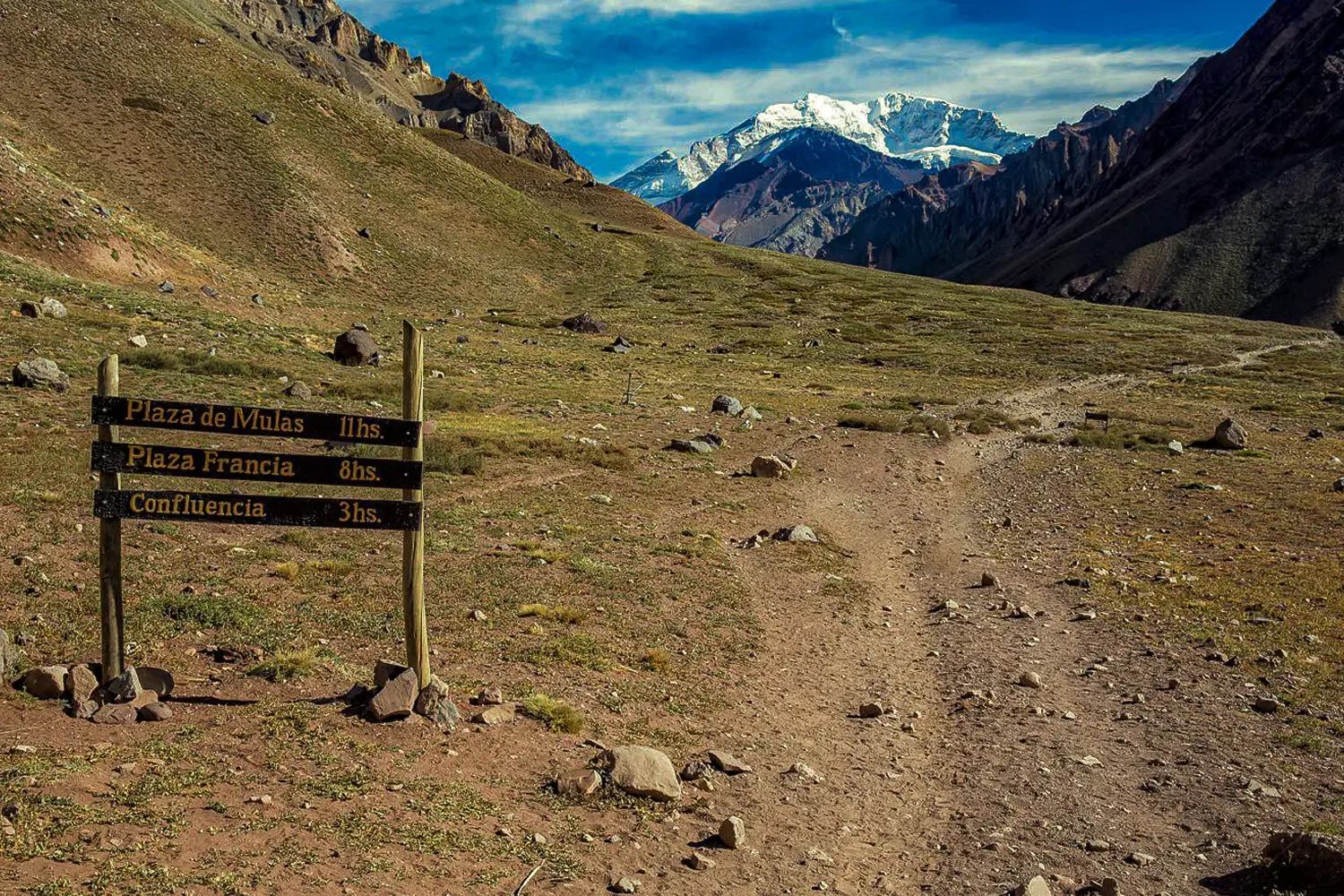
  • The Andes at their snowiest → July and August (with the caveat of closures)
  • Cristo Redentor open plus the Andes with some snow → October and November
  • Green vegetation in the low valleys plus good weather → December to February
  • Autumn colours (yellow poplars) → March and April
  • Fewer tourists, everything open → September, October, April and May

Month by month: what to expect specifically in the Andes

January and February (high summer)

  • Temperature in the city of Mendoza: 30–35°C
  • Temperature at the high stops (Aconcagua, Cristo): 5–15°C
  • Cristo Redentor: open
  • Vegetation: green in the valleys, arid at altitude
  • Snow on the peaks: minimal
  • Tourists: peak season

March and April (autumn)

  • Temperature in Mendoza: 18–28°C
  • Temperature at the high stops: 0–10°C
  • Cristo Redentor: open until it closes for snow (variable)
  • Vegetation: autumn colours in the poplars, the most photogenic moment of the year
  • Snow on the peaks: starting
  • Tourists: low

May (late autumn)

  • Temperature in Mendoza: 12–20°C
  • Temperature at the high stops: -5 to 5°C
  • Cristo Redentor: generally closed by snow
  • Vegetation: the last autumn colours
  • Tourists: very low

June to August (winter)

  • Temperature in Mendoza: 5–15°C
  • Temperature at the high stops: -10 to 0°C
  • Cristo Redentor: closed
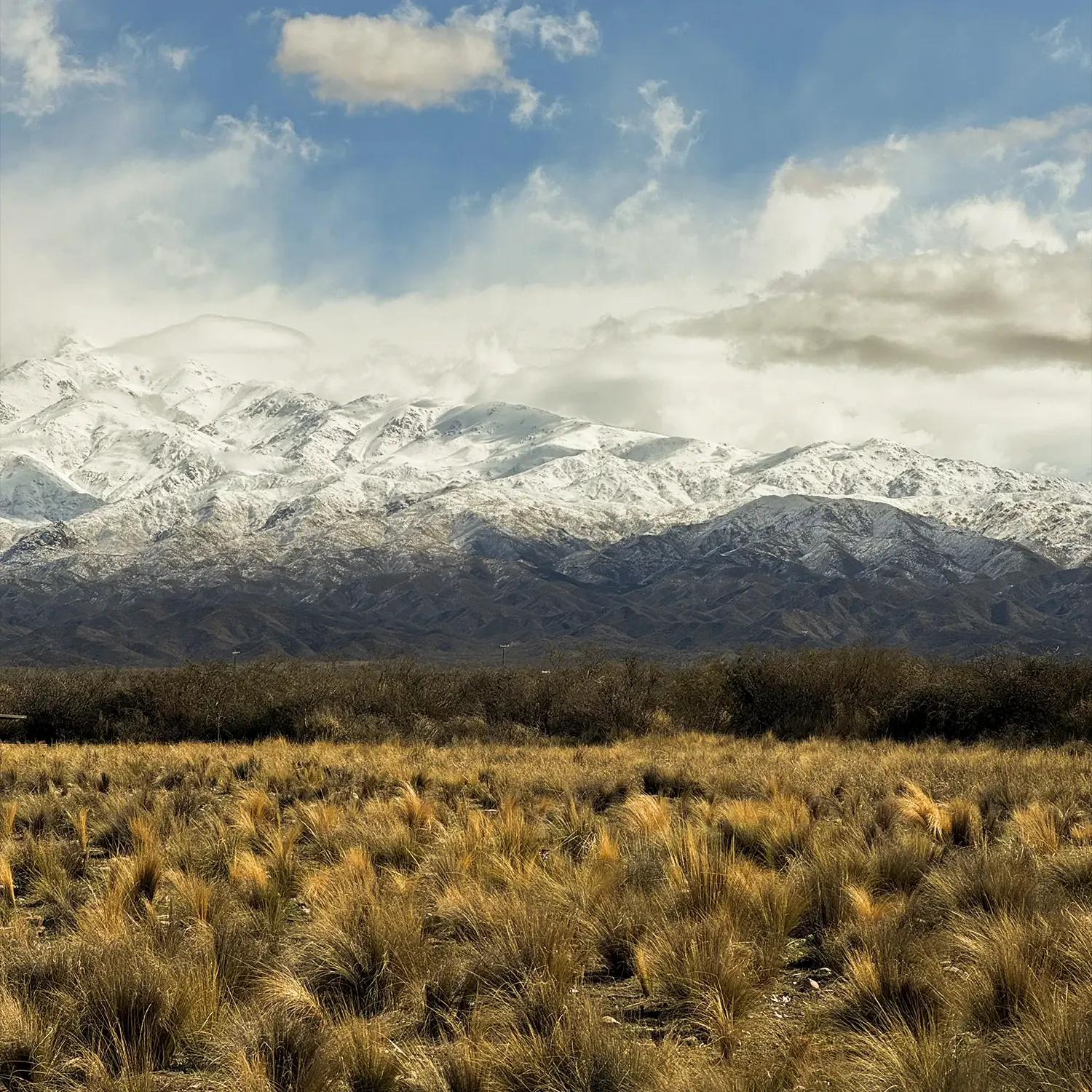
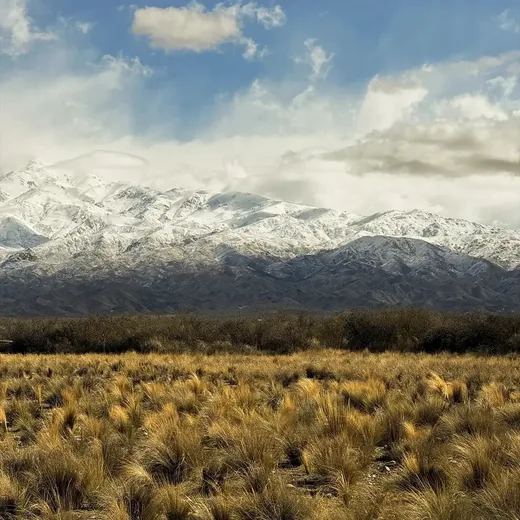
  • The Andes: maximum snow cover, the most spectacular views
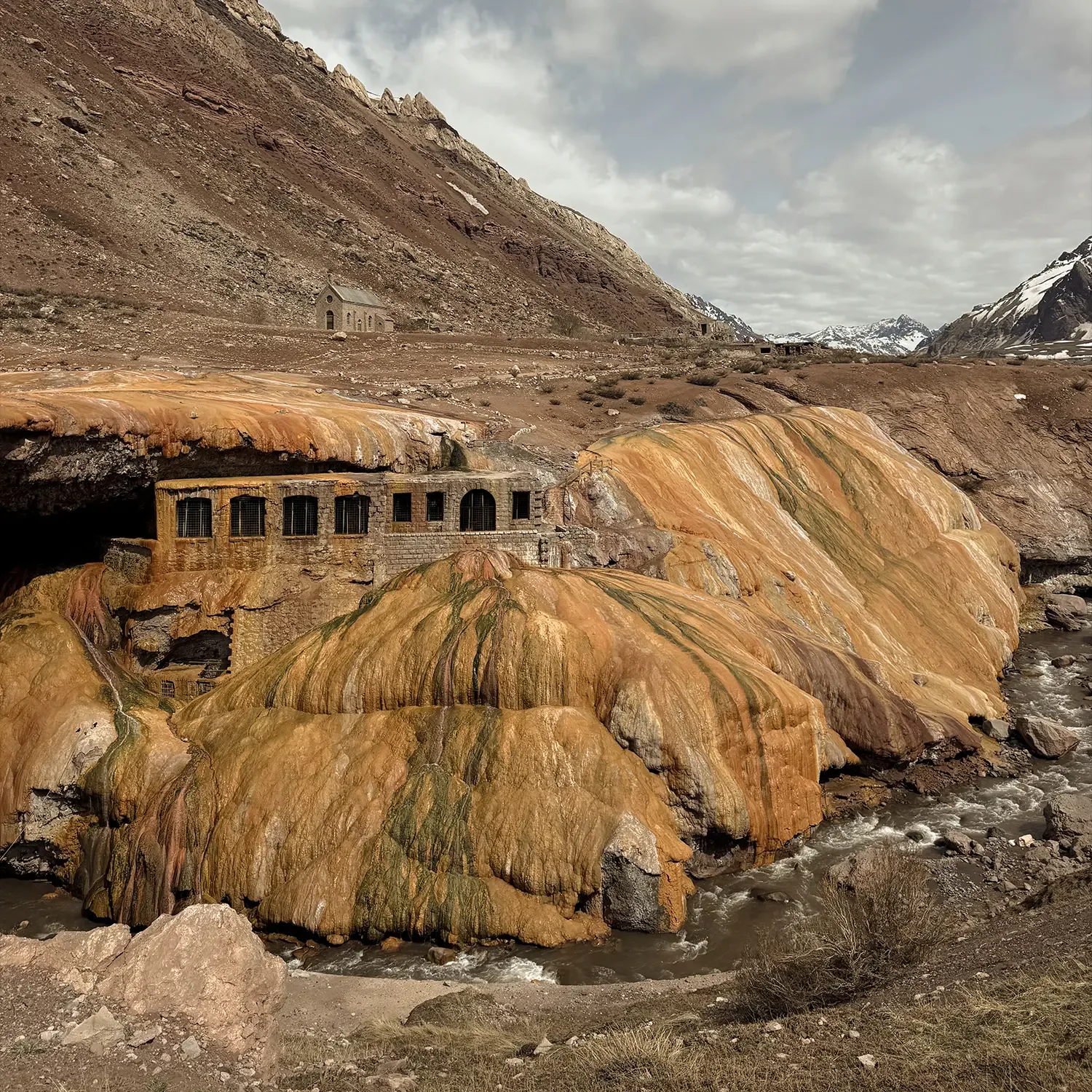
  • THE REAL CAVEAT: if there's heavy snow and the authorities close a section, you have to turn back from wherever is open. Potrerillos, Uspallata and Puente del Inca generally remain accessible. Access to Aconcagua can be restricted during specific events.
  • Tourists: very low (except during the Argentine winter school holidays in July)

September and October (spring)

  • Temperature in Mendoza: 15–22°C
  • Temperature at the high stops: -2 to 8°C
  • Cristo Redentor: usually reopens in October or November (it depends on the year)
  • The Andes: still with good snow cover
  • Tourists: low
  • The best quality-to-experience ratio of the year

November and December (late spring)

  • Temperature in Mendoza: 22–30°C
  • Temperature at the high stops: 2–12°C
  • Cristo Redentor: open
  • Green vegetation recovering
  • Snow on the high peaks only
  • Tourists: moderate (rising towards December)

The real winter caveat (what nobody tells you)

Most operators don't mention this, but it's the reality: in winter, the High Mountain tour depends on the weather. The policy on the pass is the responsibility of the road authorities:

  • If heavy snow falls the night before or during the day, they can close the section beyond Puente del Inca
  • The closure can be partial (a few km) or total (from Uspallata onwards)
  • The decisions are made in real time; there's no way to guarantee the full itinerary
  • If that happens: the tour adjusts to the accessible stops and turns back

This is honest information you should have before deciding. If your priority is seeing Aconcagua no matter what, avoid June to August. If your priority is snow-covered Andes and you accept the risk, winter gives you the most spectacular views when the weather cooperates.

The best time of day (whatever the season)

Beyond the month, the TIME of day matters for photographic quality:

  • Leaving at 7:30–8:00 in the morning means reaching Aconcagua between 12 and 14, with the sun high
  • The morning light at Potrerillos and Uspallata is the cleanest
  • The midday sun is harsh but lights the walls of Aconcagua better
  • Sunsets at Uspallata (on the way back): the most dramatic in autumn

Special events to bear in mind

  • The Aconcagua climbing season: November to March. It isn't something we offer, but the mountain's ecosystem is busier in those months (more vehicles, more people at Puente del Inca)
  • The anniversary of Cristo Redentor: November, with pilgrimages
  • Argentine winter school holidays: July (3 weeks), when domestic tourism rises
  • Harvest in Mendoza: February to April, attracting visitors who combine wine with the mountains

Summary: when to go and when not to

  • Ideal: October, November, March, April (the best balance of weather, accessibility and views)
  • Yes, but with preparation: December, January, February (hot in Mendoza, but everything open)
  • Possible, with risk: June, July, August (spectacular views if the weather allows)
  • Avoid: no month to avoid outright, but September and May are transitional and the weather is unpredictable

Combining with wine tours

If your Mendoza trip also includes wine tours, do High Mountain first, at the start of the trip (it's a demanding day), and the winery tours on the following days. For the best time to combine wine with the mountains, see our general guide to the best time to visit Mendoza.

FAQ

What's the best time to do the High Mountain route in Mendoza?

September to April is the optimal season: roads always open, Cristo Redentor accessible, changing landscapes. October and April are ideal thanks to low visitor numbers and mild temperatures. December to February is full summer with green vegetation but higher demand. Winter (June to August) offers spectacular views of the snow-covered Andes but with the risk of partial closures of the pass.

When is the Cristo Redentor de los Andes open?

Vehicle access to Cristo Redentor is open only in the summer season, generally from November or December to April or May, depending on the year and the weather. During winter (June to August) it closes because of snow. The exact opening date each year is set by the authorities responsible for the pass.

Is High Mountain worth doing in winter?

Yes, if the weather cooperates. The winter experience with the snow-covered Andes is visually spectacular and visitor numbers are minimal. But there's a real caveat: if the authorities close a section of road because of heavy snow, you have to turn back from wherever is open. Potrerillos, Uspallata and Puente del Inca generally stay accessible. Cristo Redentor usually closes.

Is there a difference in the views between seasons?

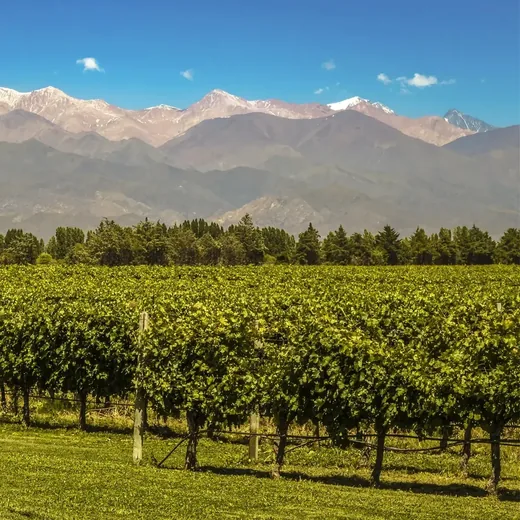
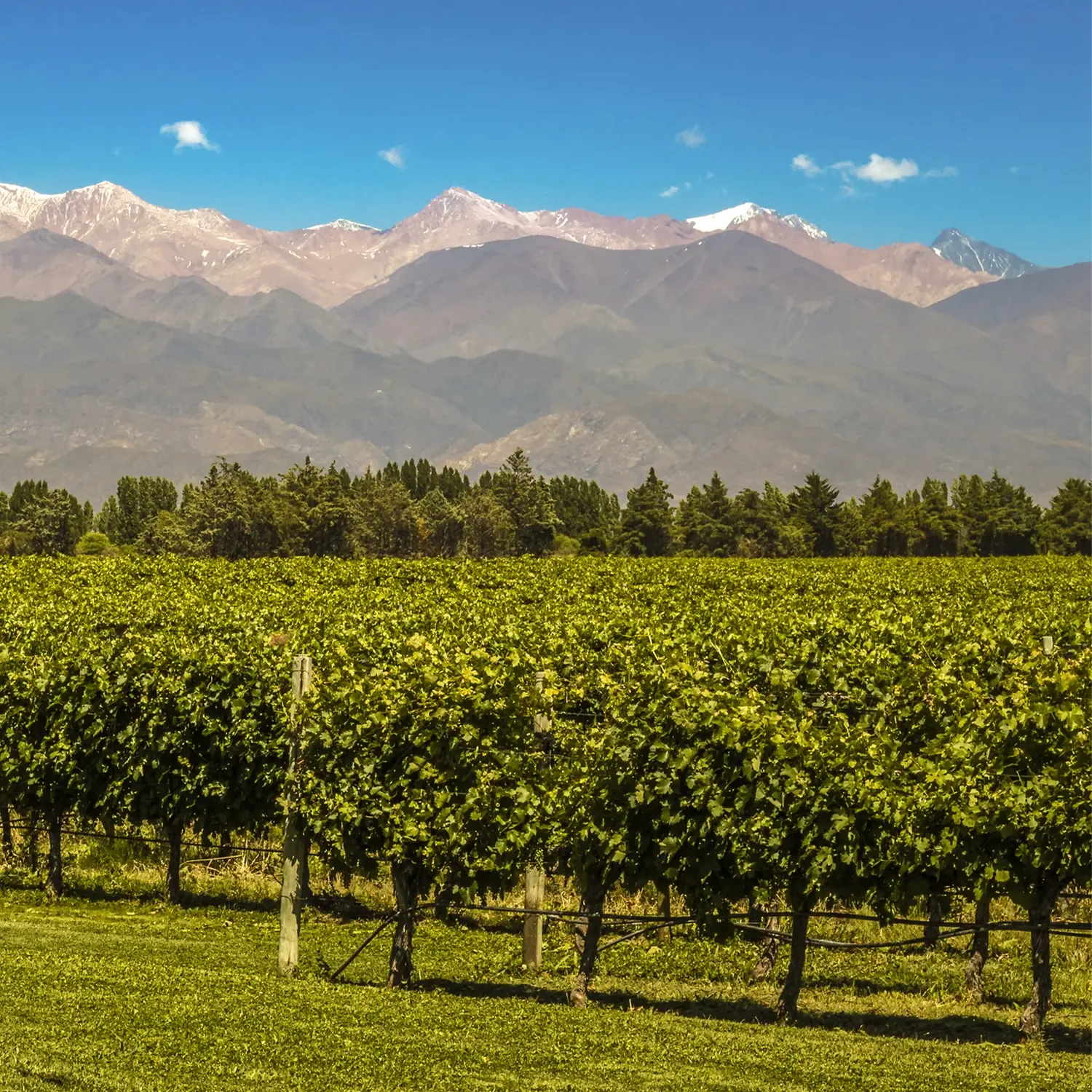
A great deal. In summer and autumn the Andes have little snow and arid tones, ochres and greens dominate the valleys. In winter and early spring the peaks are covered in snow and the contrast with the intense blue sky is the most photogenic there is. Autumn (April and May) brings the yellows and reds of the poplars in the low valleys, a unique display of colour.

Which month is best specifically for photos?

For landscape photography: March and April (autumn, yellow poplars against the Andes), September and October (spring, peaks still snow-covered, pleasant temperatures) and June and July (winter, maximum contrast when the weather lets you get through). December to February is good for the green of the valleys but less dramatic at altitude.

How many months can I reach Aconcagua without problems?

Access to Aconcagua Park (the viewpoint) is open all year on most days. It's the Cristo Redentor area (higher up) that closes in winter. Aconcagua Park stays passable except during isolated extreme weather events.

Are there special events in the Andes by season?

Yes. The Aconcagua climbing season runs from mid-November to mid-March (it isn't something we offer, but it gives context to the mountain's ecosystem). The nearby ski resorts (Penitentes) operate in winter when there's enough snow. In November the anniversary of Cristo Redentor is celebrated with pilgrimages.

Better to do High Mountain at the start or the end of the trip?

We recommend the start of the Mendoza trip. It's a physically demanding day (altitude, distances, sun exposure) and it's best done when you're rested. The wine tours on the following days are more relaxed and are better enjoyed after the adventure in the mountains.

Know which time of year to choose? Message us on WhatsApp and we'll build your High Mountain day for that date within 24 hours.

More questions? Take a look at our FAQ with 25 common questions about tours, pricing, logistics and the High Mountain excursion.

V

Written by

Vito Wine Tours

Want to live it?

We design your High Mountain day for the date you choose

Comfortable vehicle · Bilingual driver · Real weather information · A plan within 24 hours

Ask on WhatsApp
Best time for the Mendoza High Mountain route, weather and seasons

Planning

Best time to visit Aconcagua and the high Andes

A month-by-month guide specific to the Andes excursion from Mendoza. When Cristo Redentor is open, when it snows and what views to expect.

If you're planning a trip to Mendoza specifically around the High Mountain excursion, the month you choose can change the experience completely. This guide is different from the general "best time for Mendoza" ones: here we talk only about the Andes, about when the pass into Chile is open, what views you'll get and how the tour changes with the season.

The key question: what do you want to see?

The answer to "when to travel" depends on what you prioritise:

  • The Andes at their snowiest → July and August (with the caveat of closures)
  • Cristo Redentor open plus the Andes with some snow → October and November
  • Green vegetation in the low valleys plus good weather → December to February
  • Autumn colours (yellow poplars) → March and April
  • Fewer tourists, everything open → September, October, April and May

Month by month: what to expect specifically in the Andes

January and February (high summer)

  • Temperature in the city of Mendoza: 30–35°C
  • Temperature at the high stops (Aconcagua, Cristo): 5–15°C
  • Cristo Redentor: open
  • Vegetation: green in the valleys, arid at altitude
  • Snow on the peaks: minimal
  • Tourists: peak season

March and April (autumn)

  • Temperature in Mendoza: 18–28°C
  • Temperature at the high stops: 0–10°C
  • Cristo Redentor: open until it closes for snow (variable)
  • Vegetation: autumn colours in the poplars, the most photogenic moment of the year
  • Snow on the peaks: starting
  • Tourists: low

May (late autumn)

  • Temperature in Mendoza: 12–20°C
  • Temperature at the high stops: -5 to 5°C
  • Cristo Redentor: generally closed by snow
  • Vegetation: the last autumn colours
  • Tourists: very low

June to August (winter)

  • Temperature in Mendoza: 5–15°C
  • Temperature at the high stops: -10 to 0°C
  • Cristo Redentor: closed
  • The Andes: maximum snow cover, the most spectacular views
  • THE REAL CAVEAT: if there's heavy snow and the authorities close a section, you have to turn back from wherever is open. Potrerillos, Uspallata and Puente del Inca generally remain accessible. Access to Aconcagua can be restricted during specific events.
  • Tourists: very low (except during the Argentine winter school holidays in July)

September and October (spring)

  • Temperature in Mendoza: 15–22°C
  • Temperature at the high stops: -2 to 8°C
  • Cristo Redentor: usually reopens in October or November (it depends on the year)
  • The Andes: still with good snow cover
  • Tourists: low
  • The best quality-to-experience ratio of the year

November and December (late spring)

  • Temperature in Mendoza: 22–30°C
  • Temperature at the high stops: 2–12°C
  • Cristo Redentor: open
  • Green vegetation recovering
  • Snow on the high peaks only
  • Tourists: moderate (rising towards December)

The real winter caveat (what nobody tells you)

Most operators don't mention this, but it's the reality: in winter, the High Mountain tour depends on the weather. The policy on the pass is the responsibility of the road authorities:

  • If heavy snow falls the night before or during the day, they can close the section beyond Puente del Inca
  • The closure can be partial (a few km) or total (from Uspallata onwards)
  • The decisions are made in real time; there's no way to guarantee the full itinerary
  • If that happens: the tour adjusts to the accessible stops and turns back

This is honest information you should have before deciding. If your priority is seeing Aconcagua no matter what, avoid June to August. If your priority is snow-covered Andes and you accept the risk, winter gives you the most spectacular views when the weather cooperates.

The best time of day (whatever the season)

Beyond the month, the TIME of day matters for photographic quality:

  • Leaving at 7:30–8:00 in the morning means reaching Aconcagua between 12 and 14, with the sun high
  • The morning light at Potrerillos and Uspallata is the cleanest
  • The midday sun is harsh but lights the walls of Aconcagua better
  • Sunsets at Uspallata (on the way back): the most dramatic in autumn

Special events to bear in mind

  • The Aconcagua climbing season: November to March. It isn't something we offer, but the mountain's ecosystem is busier in those months (more vehicles, more people at Puente del Inca)
  • The anniversary of Cristo Redentor: November, with pilgrimages
  • Argentine winter school holidays: July (3 weeks), when domestic tourism rises
  • Harvest in Mendoza: February to April, attracting visitors who combine wine with the mountains

Summary: when to go and when not to

  • Ideal: October, November, March, April (the best balance of weather, accessibility and views)
  • Yes, but with preparation: December, January, February (hot in Mendoza, but everything open)
  • Possible, with risk: June, July, August (spectacular views if the weather allows)
  • Avoid: no month to avoid outright, but September and May are transitional and the weather is unpredictable

Combining with wine tours

If your Mendoza trip also includes wine tours, do High Mountain first, at the start of the trip (it's a demanding day), and the winery tours on the following days. For the best time to combine wine with the mountains, see our general guide to the best time to visit Mendoza.

FAQ

What's the best time to do the High Mountain route in Mendoza?

September to April is the optimal season: roads always open, Cristo Redentor accessible, changing landscapes. October and April are ideal thanks to low visitor numbers and mild temperatures. December to February is full summer with green vegetation but higher demand. Winter (June to August) offers spectacular views of the snow-covered Andes but with the risk of partial closures of the pass.

When is the Cristo Redentor de los Andes open?

Vehicle access to Cristo Redentor is open only in the summer season, generally from November or December to April or May, depending on the year and the weather. During winter (June to August) it closes because of snow. The exact opening date each year is set by the authorities responsible for the pass.

Is High Mountain worth doing in winter?

Yes, if the weather cooperates. The winter experience with the snow-covered Andes is visually spectacular and visitor numbers are minimal. But there's a real caveat: if the authorities close a section of road because of heavy snow, you have to turn back from wherever is open. Potrerillos, Uspallata and Puente del Inca generally stay accessible. Cristo Redentor usually closes.

Is there a difference in the views between seasons?

A great deal. In summer and autumn the Andes have little snow and arid tones, ochres and greens dominate the valleys. In winter and early spring the peaks are covered in snow and the contrast with the intense blue sky is the most photogenic there is. Autumn (April and May) brings the yellows and reds of the poplars in the low valleys, a unique display of colour.

Which month is best specifically for photos?

For landscape photography: March and April (autumn, yellow poplars against the Andes), September and October (spring, peaks still snow-covered, pleasant temperatures) and June and July (winter, maximum contrast when the weather lets you get through). December to February is good for the green of the valleys but less dramatic at altitude.

How many months can I reach Aconcagua without problems?

Access to Aconcagua Park (the viewpoint) is open all year on most days. It's the Cristo Redentor area (higher up) that closes in winter. Aconcagua Park stays passable except during isolated extreme weather events.

Are there special events in the Andes by season?

Yes. The Aconcagua climbing season runs from mid-November to mid-March (it isn't something we offer, but it gives context to the mountain's ecosystem). The nearby ski resorts (Penitentes) operate in winter when there's enough snow. In November the anniversary of Cristo Redentor is celebrated with pilgrimages.

Better to do High Mountain at the start or the end of the trip?

We recommend the start of the Mendoza trip. It's a physically demanding day (altitude, distances, sun exposure) and it's best done when you're rested. The wine tours on the following days are more relaxed and are better enjoyed after the adventure in the mountains.

Know which time of year to choose? Message us on WhatsApp and we'll build your High Mountain day for that date within 24 hours.

More questions? Take a look at our FAQ with 25 common questions about tours, pricing, logistics and the High Mountain excursion.

We design your High Mountain day for the date you choose

Comfortable vehicle · Bilingual driver · Real weather information · A plan within 24 hours
Vito Wine Tours

Private winery tours in Mendoza.

+54 9 261 699-7101vitowinetours@gmail.com