
Dark mode

Home › Blog › ">→Mendoza in winter

When to visit

Mendoza in winter: wine, snow and quiet wineries

How the low season became the choice of the best-informed visitors
Updated May 2026 · Vito Wine Tours · May 2026 · 6 min read

Mendoza in winter, Aconcagua, snow and vineyards

"Mendoza's low season isn't because the region is closed. It's because most people don't know." That line, heard from several local hoteliers and winemakers, captures the opportunity winter offers informed visitors. While most people aim for February (harvest) or November to March in general, the winter months — June to August — offer a completely different version of Mendoza: one with snow-covered Andes, quiet wineries, genuine access to the winemaker, and significantly lower prices.

Planning your visit? Discover our private wine tours in Mendoza — or explore our luxury wine experiences in Mendoza.

This guide explains what to really expect from a Mendoza winter, why more and more visitors choose it over high season, and how to build a trip that takes advantage of what the season offers.

What winter in Mendoza actually is

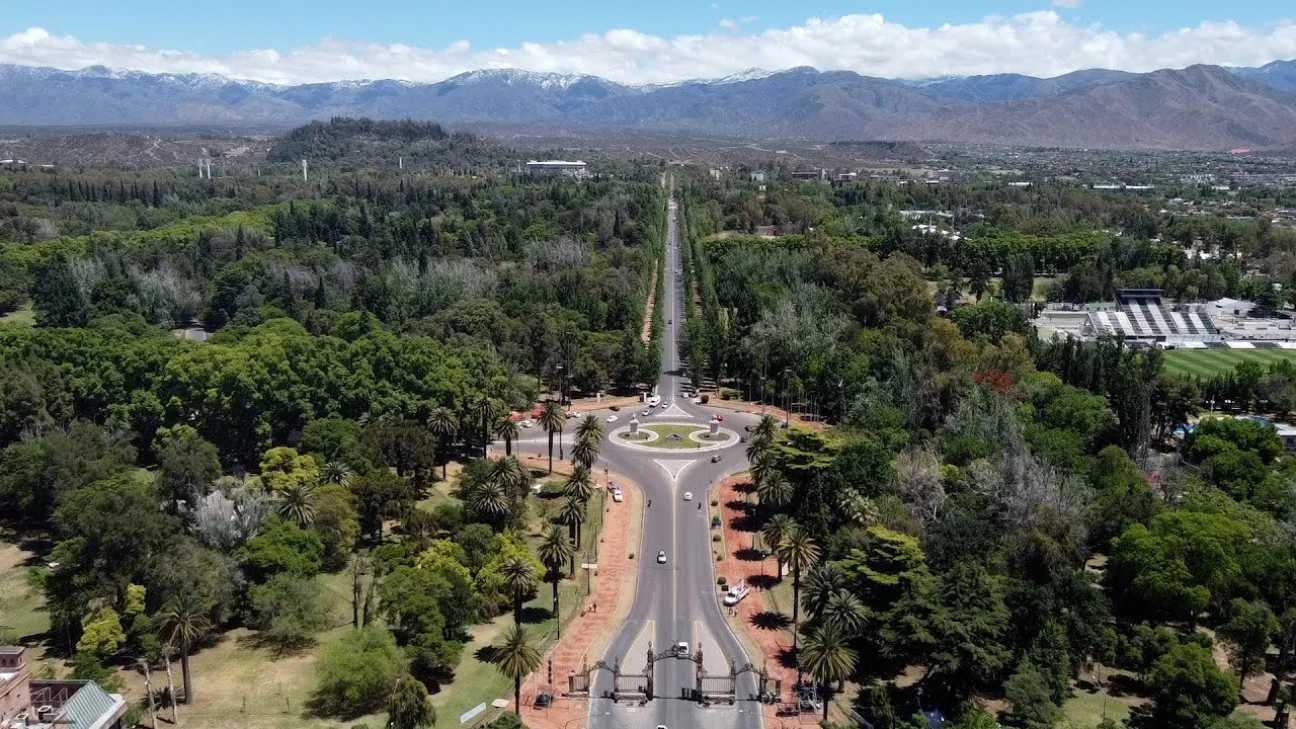
Winter in Mendoza is very different from the stereotype. The city sits at 750 metres at a near-subtropical latitude. Midwinter daytime temperatures are typically 12–18°C, with sunny, dry days. Nights are cold — 0 to 5°C in the city, colder in the Uco Valley at 1,500 metres — but snow within the wine country itself is rare. The sky is clear most days.

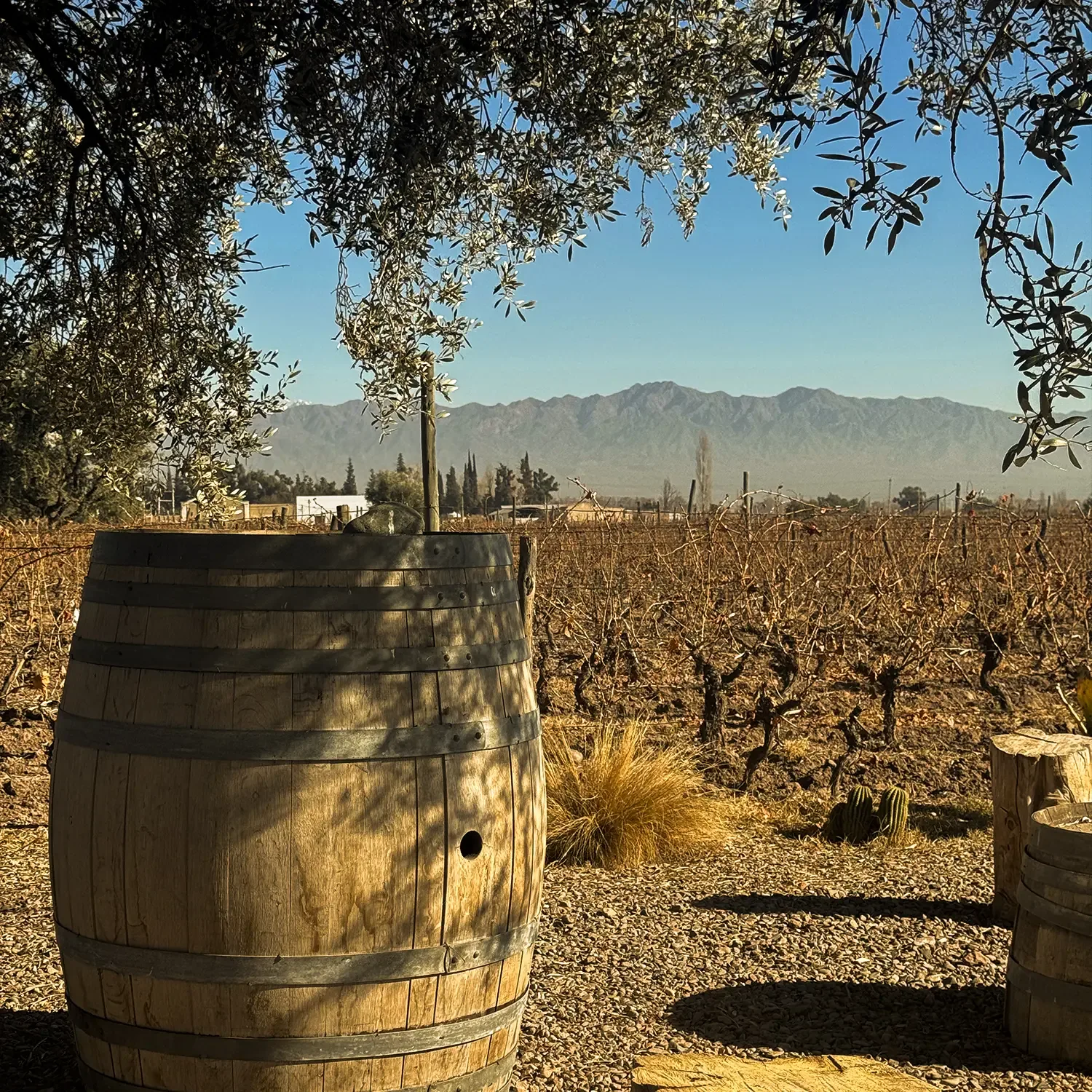
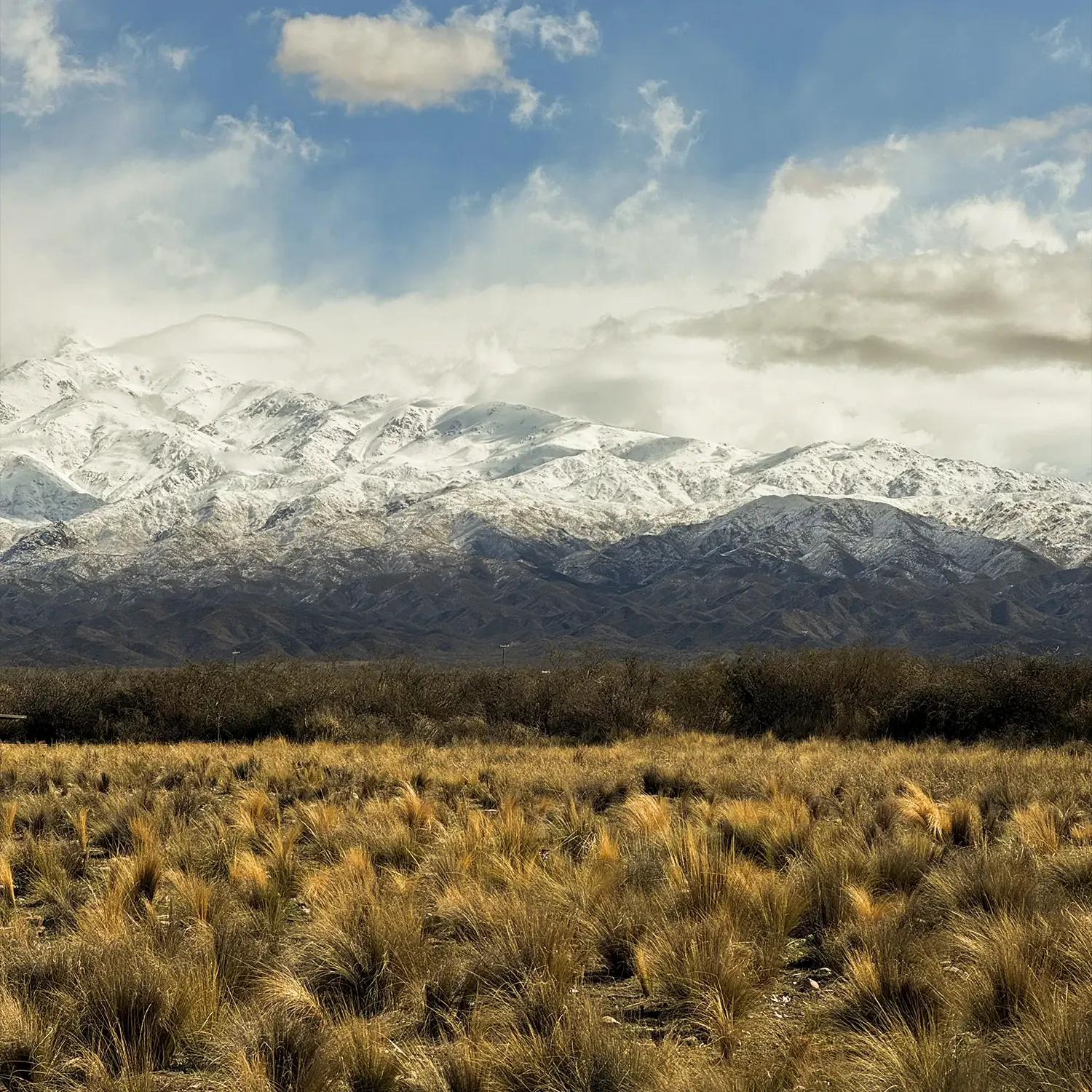
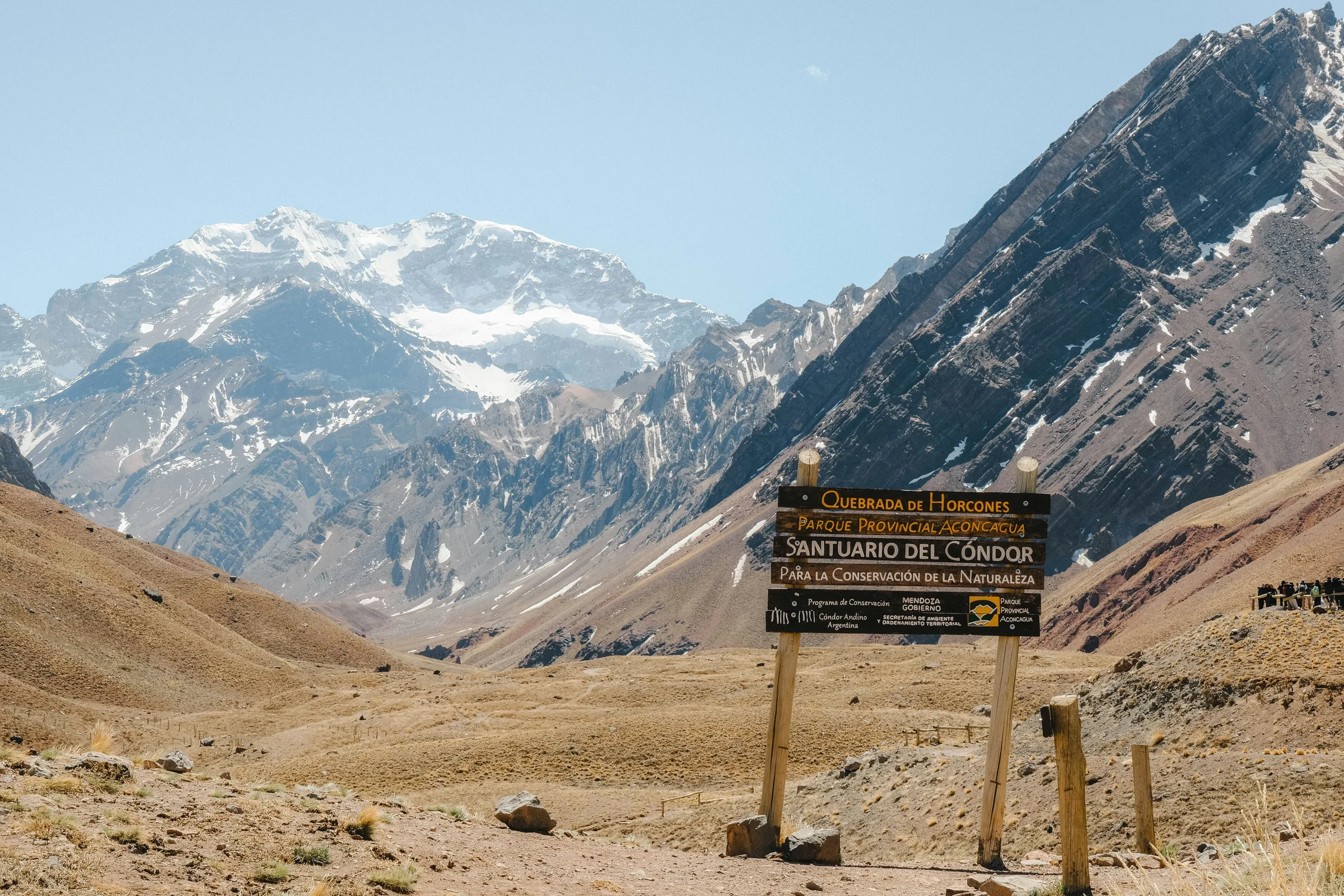
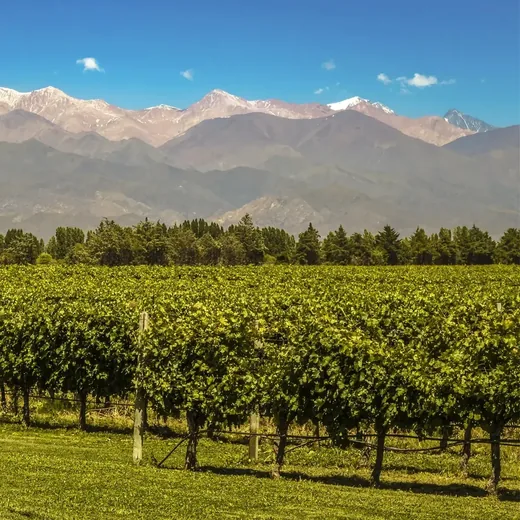
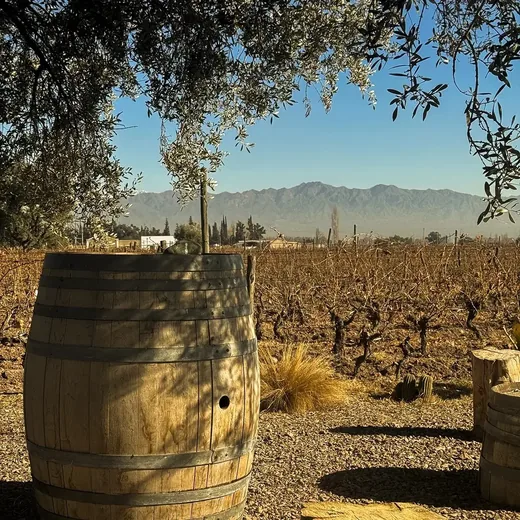
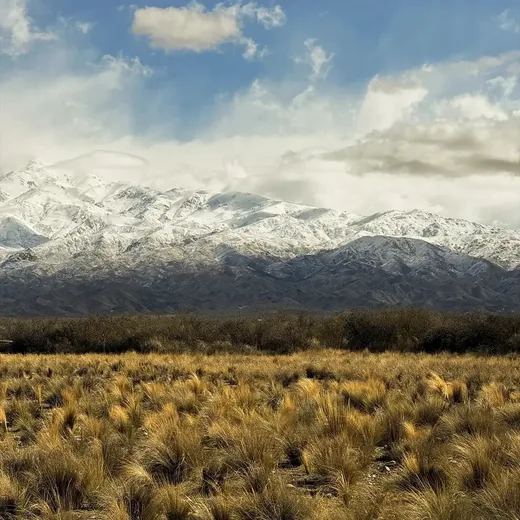
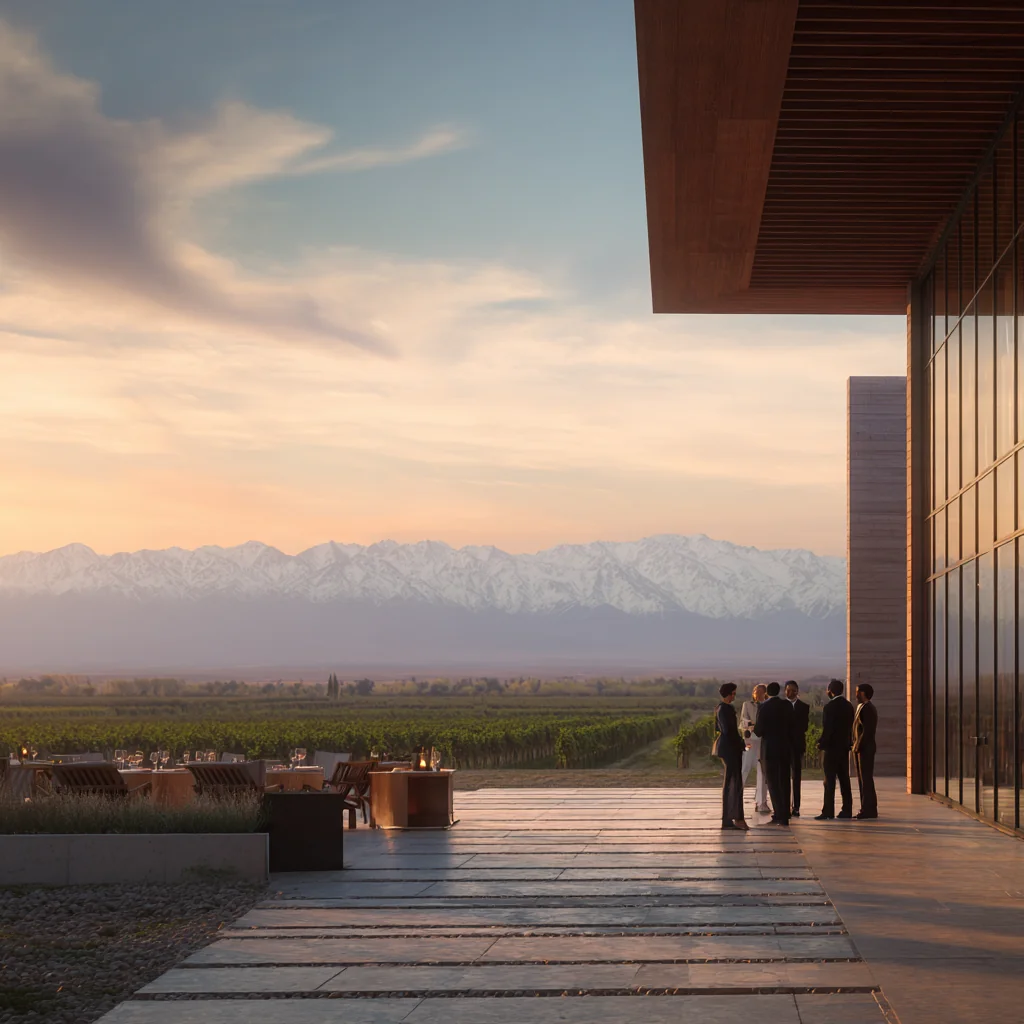
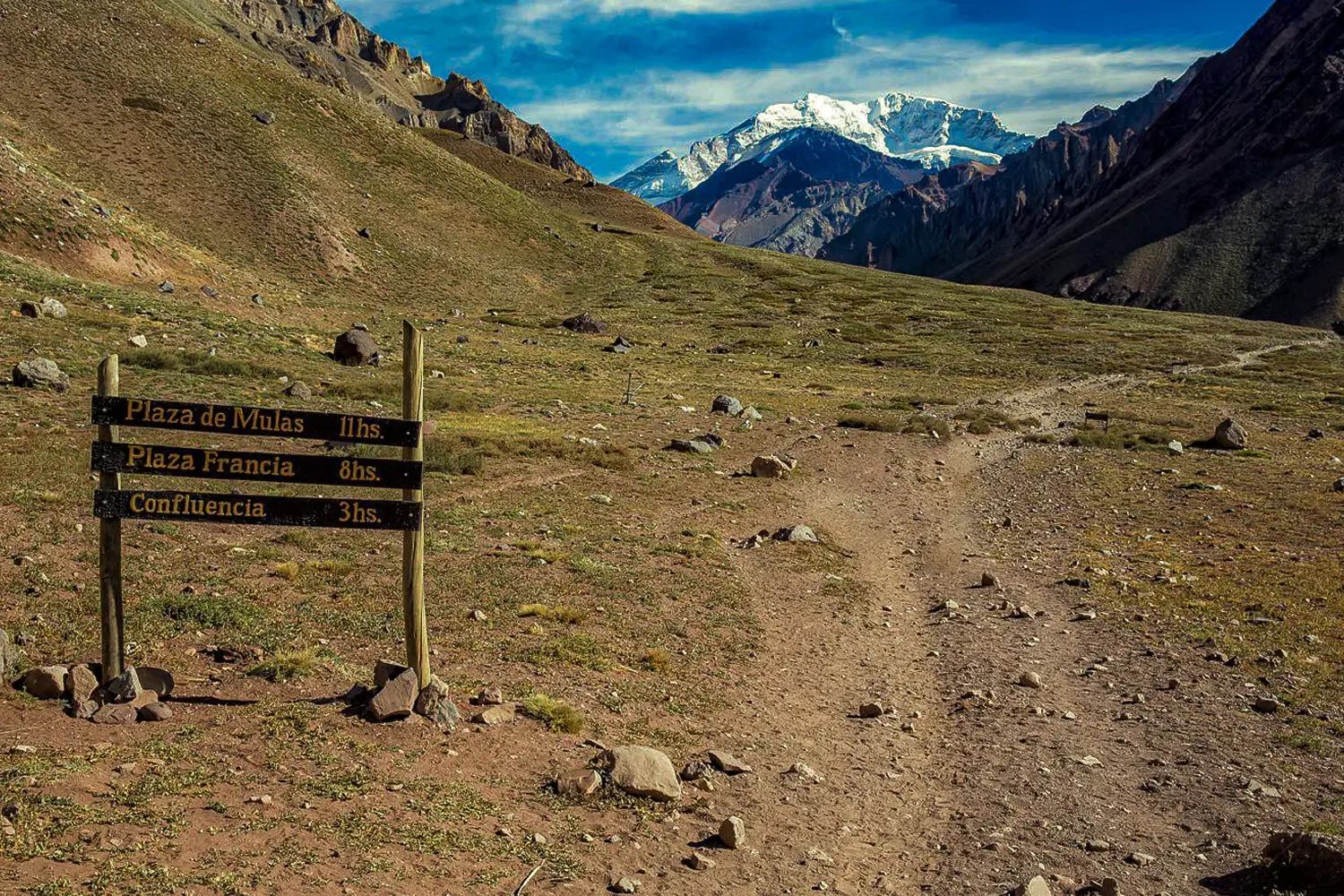
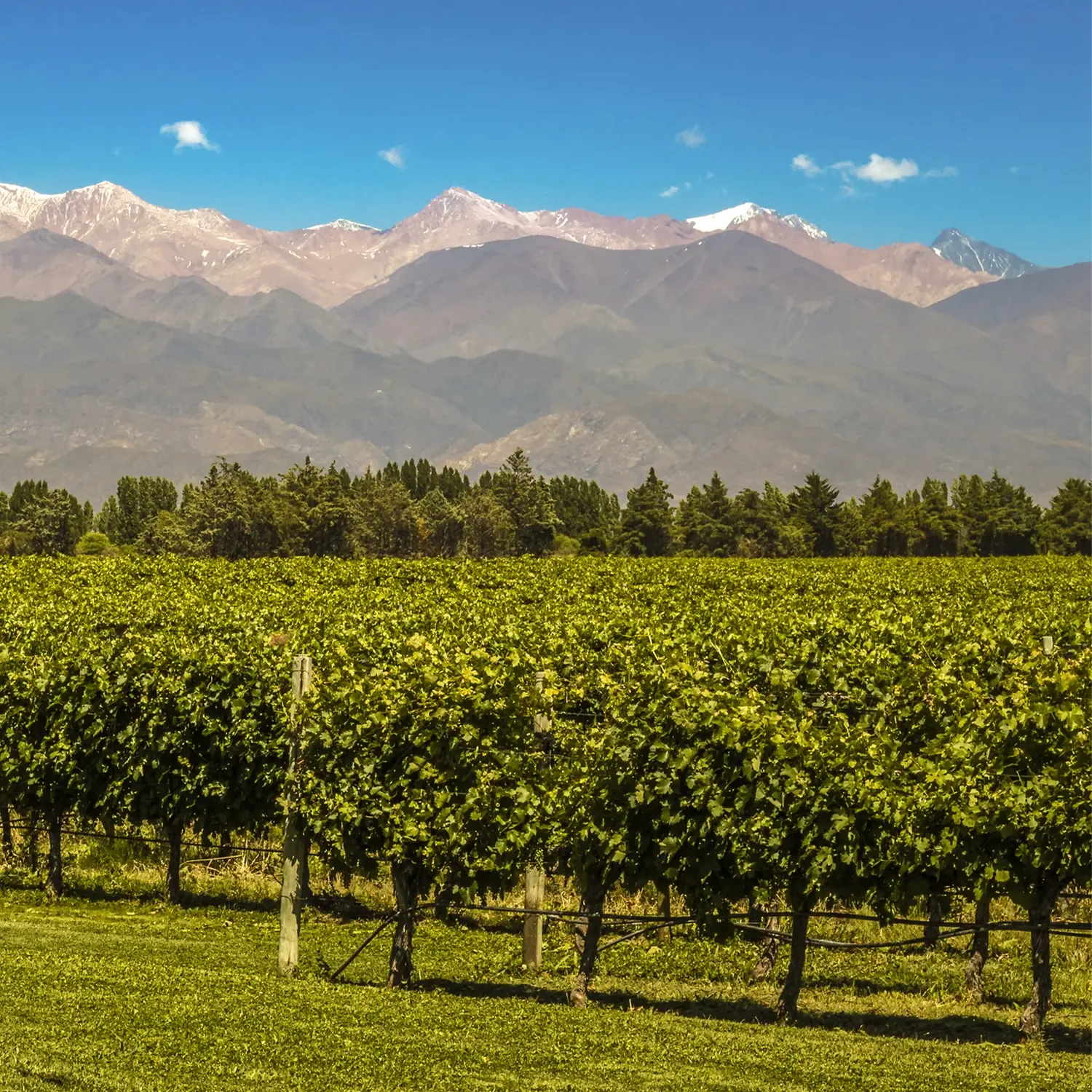
What does change visually is the landscape. The vineyards are bare, which looks strange at first but lets you see the geography and the structure of the soils far better. And crucially, the Andes are white. Aconcagua and the range behind, which look dry and brown in summer, become a constant bright white backdrop in winter. For many visitors, that's the mental image of Mendoza they take home.

The advantages of winter

Access to the winemaker

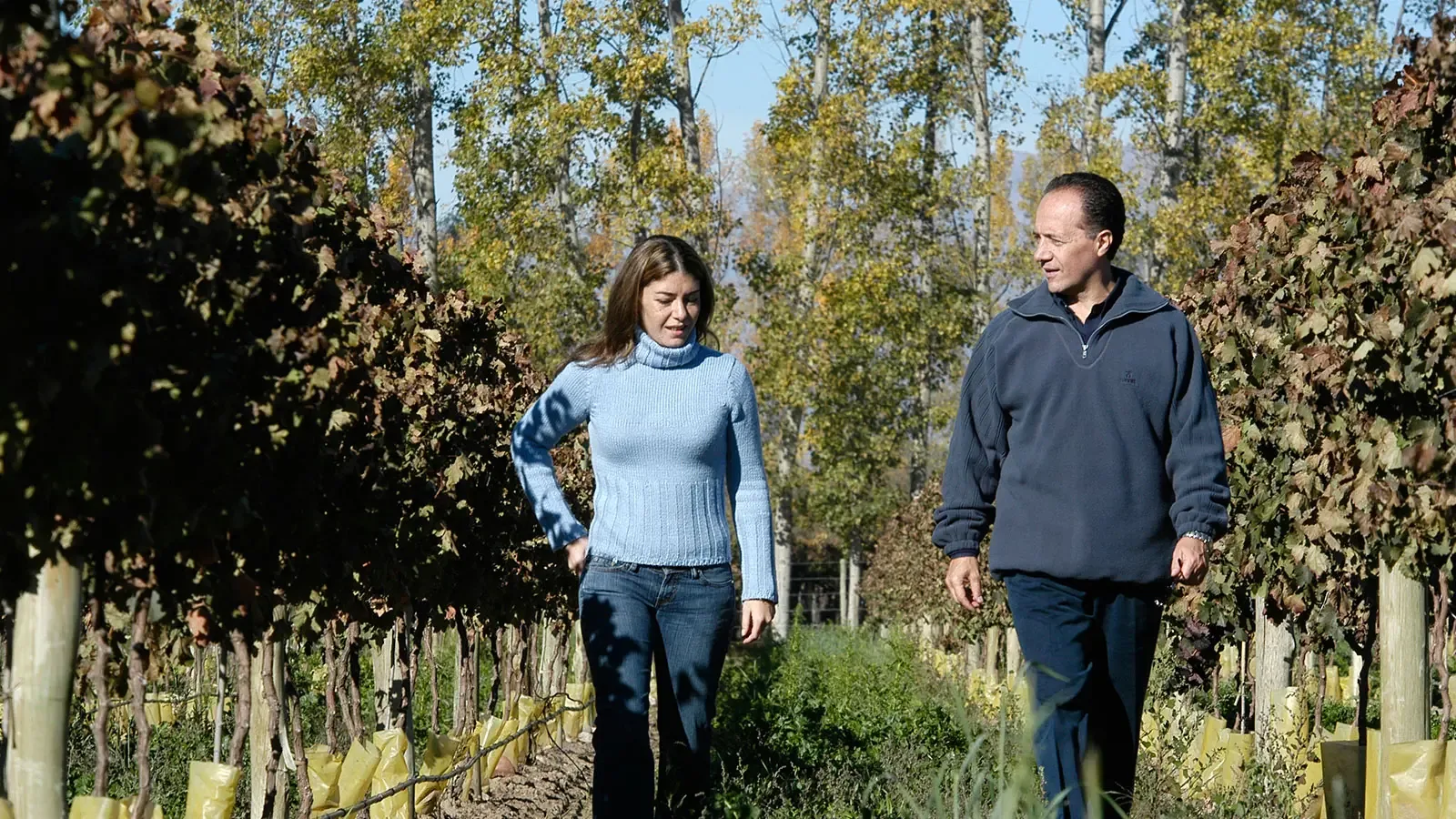
Harvest ends in late April. From May to July, winemakers are noticeably more available — the blends are settled, the vintage is stored, the calendar pressure drops. Getting an hour-long conversation with a significant winemaker is three to four times easier in winter than in high season. See our guide to meeting Mendoza's winemakers.

Quiet wineries

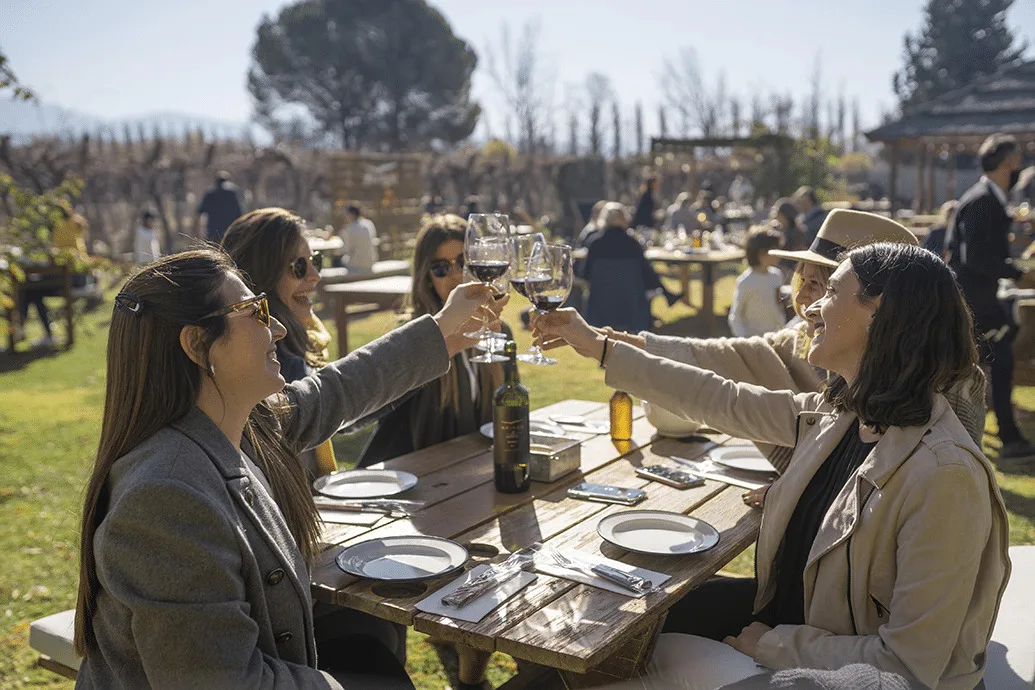
Wineries receive significantly fewer visits in winter. That means smaller groups (sometimes being the only group at a winery), more personal attention and the possibility of deeper tastings than high season allows logistically.

Red wine at its ideal moment

Mendoza's reds — Malbec, Cabernet Franc, blends — show best at a slightly cooler temperature (16–18°C) than the ambient temperature of an Argentine summer (which can reach 30°C at an outdoor table). Winter allows tastings at the right temperature and pairings that put red wine in its natural context.

Winter cooking

Restaurant menus change significantly. Stews, slow-cooked meats, unhurried asados, chocolate, warm desserts. Winter cooking is built explicitly for structured reds.

Lower prices

Hotels, restaurants and private experiences often operate at significantly lower rates. The quality doesn't drop — only the prices.

What to bear in mind

Shorter days

The sun sets at 18:00–18:30 in June and July. That compresses the winery day. Three visits in a day is ambitious in winter; two is the norm.

Some wineries on reduced hours

A few small wineries close completely in July for maintenance. Check specific opening hours before planning.

The whites shine less

The colder outside temperature makes Sauvignon Blanc and Chardonnay less appealing. If whites are your main interest, spring or autumn work better.

Warm clothing

Mornings are cold. The older wineries have cold cellars (some at 12–14°C). Layers are essential.

A suggested winter itinerary

Day 1: Luján de Cuyo with a slow-cooked lunch

A visit to a classic Luján winery, a multi-course lunch built around slow-cooked lamb or stew, with structured Malbec and Cabernet Franc. A more relaxed pace and fewer tourists.

Day 2: the Uco Valley with a view of the snow

The Uco Valley in winter is particularly spectacular — the snow-covered Tupungato volcano behind every view. One well-chosen winery in the morning, a long lunch and an unhurried drive back to the city.

Day 3 (optional): the High Mountain route

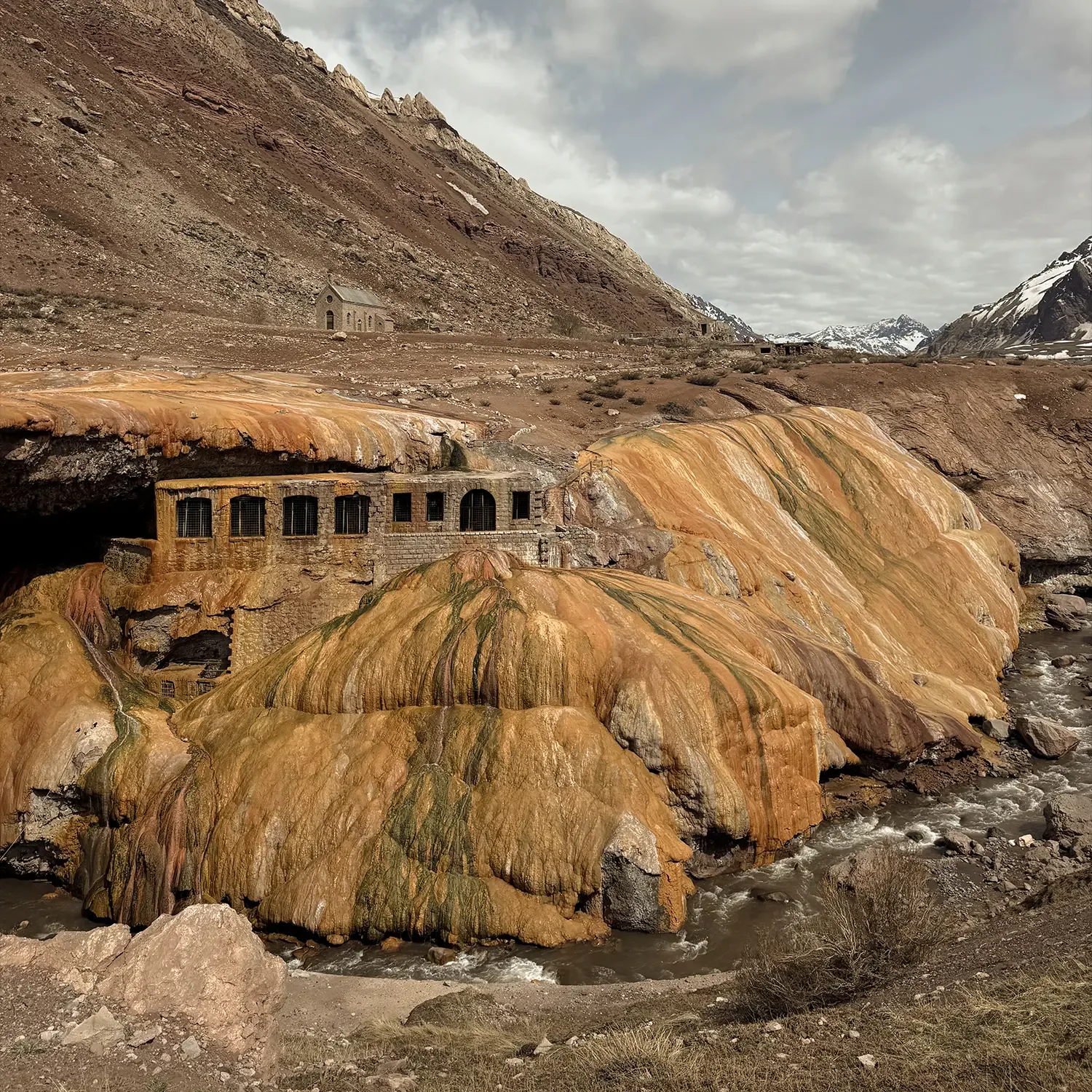
If you have an extra day, this is the best time for the excursion to High Mountain — a snow-covered Aconcagua, Puente del Inca, white landscapes completely unlike summer. Combining wine with a winter landscape is an experience high season simply doesn't offer.

Who the winter trip is for

A Mendoza winter is for:

  • Serious wine visitors who want real access to the winemaker
  • Returning visitors who already know the region in summer
  • Visitors who prefer cool weather to hot
  • Visitors who value an intimate experience over crowds
  • Photographers (the snow-covered Andes are irresistible)

It isn't for:

  • First-time visitors who want the "complete" Mendoza experience (including green vineyards and harvest)
  • Visitors who prioritise outdoor pools and eating outside
  • Visitors specifically interested in white wines

FAQ

Is it very cold in winter?

Cold but manageable. Days: 12–18°C, nights: 0–5°C in the city. Colder in the Uco Valley. Compared with a European or North American winter, it's mild.

Is everything important open?

Yes, almost everything. The large wineries and the main restaurants keep a full calendar. Only very small wineries occasionally close for maintenance.

Is it worth going if green landscape is the priority?

No. The vineyards are bare. For visitors oriented towards green landscapes, spring (October to November) is the best season.

Is there skiing nearby?

Yes, Las Leñas and other resorts. But that's skiing plus wine, two trips in one. If skiing is your focus, plan a trip specifically around it; if wine is your focus, don't expect the skiing to be the main destination.

A Mendoza winter is one of the most undervalued choices in the wine calendar. If you'd like us to design a winter trip focused on access to the winemaker and private experiences with fewer tourists, get in touch on WhatsApp.

Related tourThe High Mountain route in winterA snow-covered Aconcagua and the white range as a complement to the wine›

More questions? Take a look at our FAQ with 25 common questions about tours, pricing, logistics and the High Mountain excursion.

V

Written by

Vito Wine Tours

Private wine experiences in Mendoza. We design and run tailor-made days at boutique wineries in Lujan de Cuyo, Maipu and the Uco Valley.

Want to live it?

Visit Mendoza in winter with us

Personal guidance · Confirmed bookings · Private experiences

Ask on WhatsApp
Mendoza in winter, Aconcagua, snow and vineyards

When to visit

Mendoza in winter: wine, snow and quiet wineries

How the low season became the choice of the best-informed visitors

"Mendoza's low season isn't because the region is closed. It's because most people don't know." That line, heard from several local hoteliers and winemakers, captures the opportunity winter offers informed visitors. While most people aim for February (harvest) or November to March in general, the winter months — June to August — offer a completely different version of Mendoza: one with snow-covered Andes, quiet wineries, genuine access to the winemaker, and significantly lower prices.

Planning your visit? Discover our private wine tours in Mendoza — or explore our luxury wine experiences in Mendoza.

This guide explains what to really expect from a Mendoza winter, why more and more visitors choose it over high season, and how to build a trip that takes advantage of what the season offers.

What winter in Mendoza actually is

Winter in Mendoza is very different from the stereotype. The city sits at 750 metres at a near-subtropical latitude. Midwinter daytime temperatures are typically 12–18°C, with sunny, dry days. Nights are cold — 0 to 5°C in the city, colder in the Uco Valley at 1,500 metres — but snow within the wine country itself is rare. The sky is clear most days.

What does change visually is the landscape. The vineyards are bare, which looks strange at first but lets you see the geography and the structure of the soils far better. And crucially, the Andes are white. Aconcagua and the range behind, which look dry and brown in summer, become a constant bright white backdrop in winter. For many visitors, that's the mental image of Mendoza they take home.

The advantages of winter

Access to the winemaker

Harvest ends in late April. From May to July, winemakers are noticeably more available — the blends are settled, the vintage is stored, the calendar pressure drops. Getting an hour-long conversation with a significant winemaker is three to four times easier in winter than in high season. See our guide to meeting Mendoza's winemakers.

Quiet wineries

Wineries receive significantly fewer visits in winter. That means smaller groups (sometimes being the only group at a winery), more personal attention and the possibility of deeper tastings than high season allows logistically.

Red wine at its ideal moment

Mendoza's reds — Malbec, Cabernet Franc, blends — show best at a slightly cooler temperature (16–18°C) than the ambient temperature of an Argentine summer (which can reach 30°C at an outdoor table). Winter allows tastings at the right temperature and pairings that put red wine in its natural context.

Winter cooking

Restaurant menus change significantly. Stews, slow-cooked meats, unhurried asados, chocolate, warm desserts. Winter cooking is built explicitly for structured reds.

Lower prices

Hotels, restaurants and private experiences often operate at significantly lower rates. The quality doesn't drop — only the prices.

What to bear in mind

Shorter days

The sun sets at 18:00–18:30 in June and July. That compresses the winery day. Three visits in a day is ambitious in winter; two is the norm.

Some wineries on reduced hours

A few small wineries close completely in July for maintenance. Check specific opening hours before planning.

The whites shine less

The colder outside temperature makes Sauvignon Blanc and Chardonnay less appealing. If whites are your main interest, spring or autumn work better.

Warm clothing

Mornings are cold. The older wineries have cold cellars (some at 12–14°C). Layers are essential.

A suggested winter itinerary

Day 1: Luján de Cuyo with a slow-cooked lunch

A visit to a classic Luján winery, a multi-course lunch built around slow-cooked lamb or stew, with structured Malbec and Cabernet Franc. A more relaxed pace and fewer tourists.

Day 2: the Uco Valley with a view of the snow

The Uco Valley in winter is particularly spectacular — the snow-covered Tupungato volcano behind every view. One well-chosen winery in the morning, a long lunch and an unhurried drive back to the city.

Day 3 (optional): the High Mountain route

If you have an extra day, this is the best time for the excursion to High Mountain — a snow-covered Aconcagua, Puente del Inca, white landscapes completely unlike summer. Combining wine with a winter landscape is an experience high season simply doesn't offer.

Who the winter trip is for

A Mendoza winter is for:

  • Serious wine visitors who want real access to the winemaker
  • Returning visitors who already know the region in summer
  • Visitors who prefer cool weather to hot
  • Visitors who value an intimate experience over crowds
  • Photographers (the snow-covered Andes are irresistible)

It isn't for:

  • First-time visitors who want the "complete" Mendoza experience (including green vineyards and harvest)
  • Visitors who prioritise outdoor pools and eating outside
  • Visitors specifically interested in white wines

FAQ

Is it very cold in winter?

Cold but manageable. Days: 12–18°C, nights: 0–5°C in the city. Colder in the Uco Valley. Compared with a European or North American winter, it's mild.

Is everything important open?

Yes, almost everything. The large wineries and the main restaurants keep a full calendar. Only very small wineries occasionally close for maintenance.

Is it worth going if green landscape is the priority?

No. The vineyards are bare. For visitors oriented towards green landscapes, spring (October to November) is the best season.

Is there skiing nearby?

Yes, Las Leñas and other resorts. But that's skiing plus wine, two trips in one. If skiing is your focus, plan a trip specifically around it; if wine is your focus, don't expect the skiing to be the main destination.

A Mendoza winter is one of the most undervalued choices in the wine calendar. If you'd like us to design a winter trip focused on access to the winemaker and private experiences with fewer tourists, get in touch on WhatsApp.

More questions? Take a look at our FAQ with 25 common questions about tours, pricing, logistics and the High Mountain excursion.

Visit Mendoza in winter with us

Personal guidance · Confirmed bookings · Private experiences
Vito Wine Tours

Private winery tours in Mendoza.

+54 9 261 699-7101vitowinetours@gmail.com